[pageLogInLogOut]

#INDEX 23

Dilo shows at the Index how costs can be reduced with innovations
© 2023 TexData International
This year and in quick succession, there will be two flagship exhibitions for the textile and nonwovens industries. The first one - INDEX in Geneva from April 18 to 21, 2023 - for textile production with special focus on disposable textiles used in hygiene, medicine and similar applications, followed by ITMA in Milan from June 8 to 14, 2023 which shows the latest developments in textile machinery. This most important exhibition of its kind presents investments in the textile production process which meet the latest ecological demands for sustainability, recycling and reduction in energy consumption.

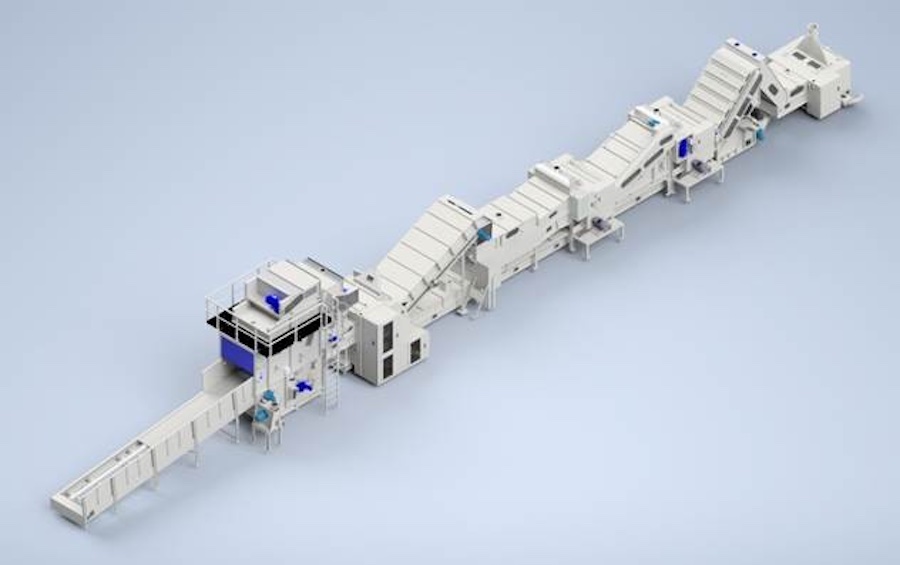
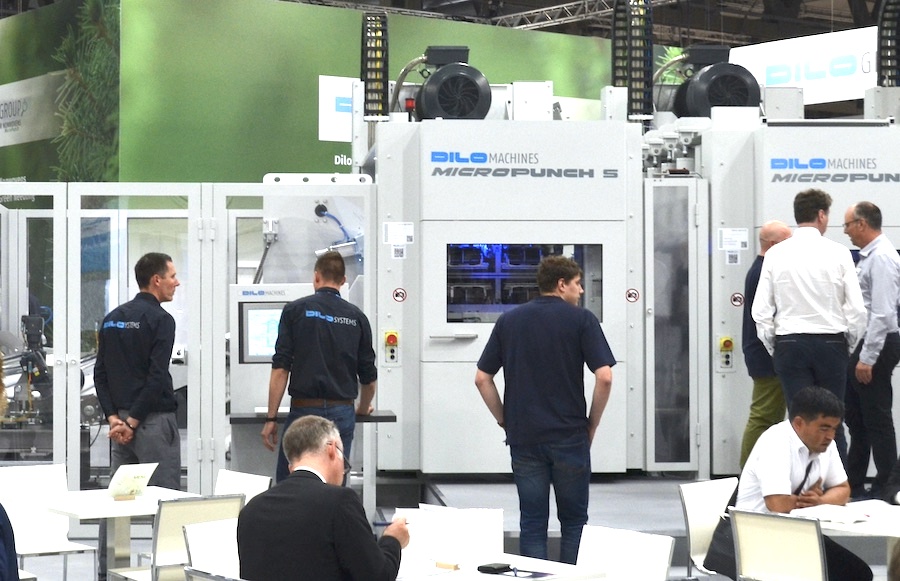
DiloGroup plans to participate in both exhibitions and present at INDEX the latest developments in needling technology in anticipation of the machinery exhibition ITMA and to draw the visitors’ attention to the latest demands of environmental sustainability in nonwoven production. The research work of DiloGroup traditionally focuses on production lines for the webforming and needling of staple fibre material. After years of gradual advancements in the intense needling technology, DiloGroup has succeeded in achieving the industrial scale of “MicroPunch” intense needling technology.

Good abrasion resistance of this intensely needled material allows the production of apparel, artificial leather, battery separators and filter media as well as medical and hygiene nonwovens.

The production of comfort tissues with a weight range of 30 to approx. 60 g/m2 made from fine fibre blends using polyester and viscose has been a domain of the water-entangling technology so far. This product being a typical disposable is in the crossfire regarding sustainability and recyclability. Therefore biodegradable or decomposable fibre material is the target for more environmental sustainability.

In addition, for the evaluation of a web consolidation process, low carbon emission and low energy consumption are important criteria.


The classical needling technology and its qualification for the production of lightweight nonwovens at low cost/kg has been technologically and economically proved in the meantime after many years of research work. It has become possible by an intense concentration of needles in the board and very fine barbs on these specialty needles which allow an economic mounting and quick exchange due to a new module design.

Compared to water-entangling lines, the “MicroPunch” needling line provides a drastic reduction in energy consumption (electricity and gas).

In view of heavily increased costs for electricity and gas, this reduced consumption has a great impact on the total cost for a kilogram of finished product in many countries.

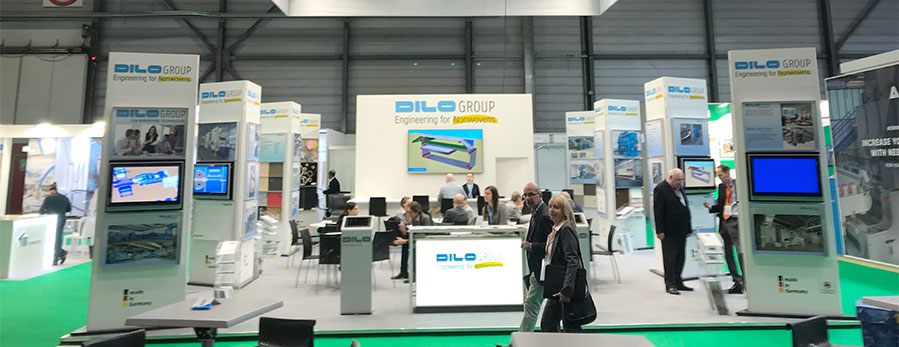
DILO looks forward to welcoming you at booth # 2010 during INDEX.

More News from Dilo, Oskar Maschinenfabrik KG

#Nonwoven machines

DiloGroup - Complete nonwoven needling line for hygiene materials in the United States

DiloGroup has received an order for a complete needling line designed for the production of hygiene materials in the United States. This project further strengthens our position in the American hygiene sector and reflects the continued demand for reliable, high-performance nonwoven equipment.

#INDEX 2026

“Needle punching technology is more universal and sustainable than ever!”

Needle punching technology was long regarded as a rather traditional and comparatively slow technology within the nonwovens industry. In this interview, Johann Philipp Dilo explains why needle punching is more relevant than ever today – ranging from energy efficiency and resource conservation to hygiene applications, new machine concepts and design-oriented nonwoven solutions.

#Nonwovens

Temafa Maschinenfabrik GmbH supplies a complete decortication plant for processing hemp straw to Hanffaser Geiseltal eG

Temafa Maschinenfabrik GmbH, a leading supplier of machinery and plants for fibre processing, has successfully secured an order to supply a complete plant for processing hemp straw to Hanffaser Geiseltal eG, based in Mücheln.

#Techtextil 2026

Modernizing Needling – DiloGroup at Techtextil & INDEX 2026

With the theme “Modernizing Needling”, the DiloGroup presents a comprehensively enhanced portfolio for needling technology. The objective is to further increase the performance and application range of needlefelt production lines in terms of productivity, flexibility, and the development of new products, thereby meeting the growing demands of modern technical textiles.

More News on INDEX 23

Latest News

#Recycling / Circular Economy

Ence and ShareTex begin initial testing of the ATENEA innovation project to promote textile recycling in Spain

Ence and ShareTex are making progress on the Atenea R&D project, which aims to develop a complete value chain for textile recycling in Spain. Specifically, the goal of the ATENEA project—which is funded by the Center for Technological Development and Innovation (CDTI)—is to connect all the necessary stages for the recovery of textile waste, from collection and management, through recycling and transformation into new raw materials, to their incorporation into new textile products.

#Recycling / Circular Economy

DePoly Inaugurates its Showcase Plant in Monthey Switzerland

What if used plastic bottles, PET packaging material and polyester textiles could become raw materials just as high performing as virgin resources? That is the ambition of DePoly, a circular materials company based in Sion, Switzerland which inaugurated its Showcase Plant in Monthey on July 6th & 7th. The first depolymerization facility of its kind and scale in Switzerland, this industrial Showcase Plant represents a major milestone in the company's growth and its journey toward commercialization.

#Recycling / Circular Economy

Commission clarifies rules on plastic bottles recycling

The European Commission today adopted new rules on recycling of single-use plastic beverage bottles made primarily of polyethylene terephthalate (PET bottles). These rules establish, for the first time, a methodology to calculate, verify and report chemically recycled content. This is part of the Commission’s December 2025 plastics package.

#Sustainability

Global Standards establishes new non-profit foundation to strengthen governance

Global Standards gGmbH, the nonprofit organisation behind the globally recognised Global Organic Textile Standard (GOTS), announced a new governance structure designed to support its long-term mission and reinforce organisational autonomy of its Voluntary Sustainability Standards and programmes.

TOP