#Heimtextil 2022
Heimtextil Summer Special: sustainability and the circular economy increasingly in the focus of manufacturers
Sustainability strategy in the home textiles industry
Environmental pollution, microplastics and high water consumption as well as increasing consumption are buzzwords that hit the textile industry on the topic of sustainability. The production of textiles consumes large amounts of resources, which poses challenges for the textile industry, especially in times of rising prices and supply bottlenecks. For this reason, the home textiles industry has been dealing with the topic of circular economy for more than 10 years in order to save resources and make production and products more sustainable. Materials are not disposed of at the end of a product's life, but are kept in circulation within the framework of sensible recycling and are reused in new products. At the same time, a functioning circular economy reduces the amount of waste and CO2 emissions. Manufacturers of home textiles are consistently pursuing the approach of a genuine circular economy and are focusing on reduction, energy efficiency, reuse and recycling.
Exhibitors present sustainable concepts and innovations
For example, the Spanish manufacturer, Francisco Jover S.A. (Hall 4.1, C14) generates 99 percent of the energy it needs from the photovoltaic system on its roof and recycles 100 percent of its plastic, paper and cardboard waste.
In addition, exhibitors such as Lech Fabrics (Hall 4.1, C91) are introducing high-quality PET fibres to their portfolio. Most fabrics used in the production of furniture are made of polyester. Therefore, according to Lech Fabrics, it is ideal to use plastics from other industries that would end up in the dustbin, or worse, in the forests and oceans. Lech Fabrics is therefore investing in innovation and expanding its portfolio of such products. In the process, the company says it saves 94 per cent water, 60 per cent energy and 32 per cent CO2 emissions in the production of its fibres from PET compared to new production.
The Austrian Lenzing Group is following the path of a holistic approach that encompasses the circular economy and renewable materials. As a producer of wood-based pulps and fibres, Lenzing is at the beginning of the value chain for the production of textiles and nonwoven products. Here, the intensive cooperation of the entire value chain and the traceability of raw materials within the value chain are elementary.
The value chain is attributed great importance in terms of sustainability: it makes it possible to transparently trace the holistic process that is necessary for the manufacture of a product. Through this year's trio of fairs, Heimtextil Summer Special, Techtextil and Texprocess, large parts of the value-added chain will be represented at the Frankfurt Exhibition Centre and provide insights into large sections of the textile industry. At the Heimtextil Conference Sleep & More (Hall 3.0 D41), visitors can look forward to lectures on Wednesday and Thursday on topics such as supply chains, the circular economy and much more.
Sustainability - a focus topic at the Heimtextil Summer Special
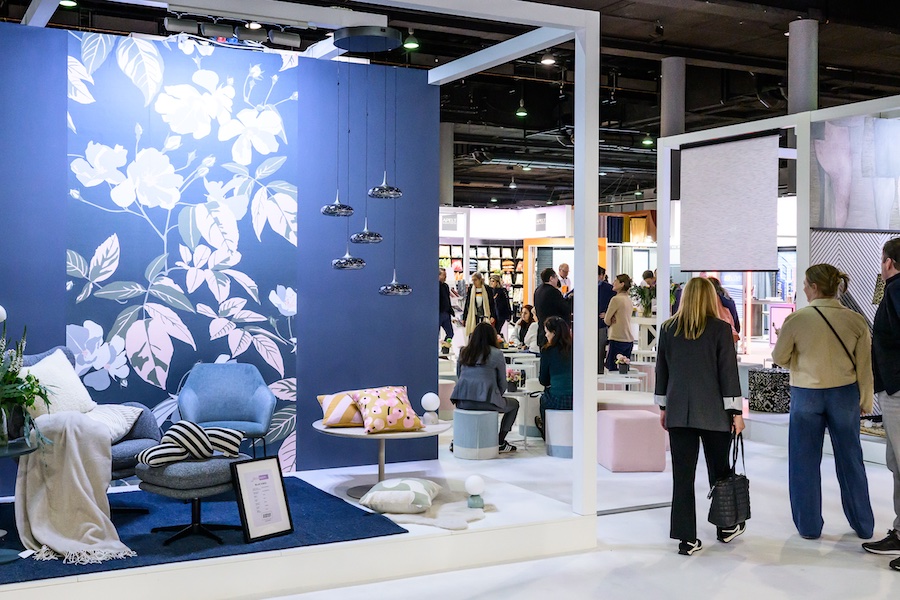
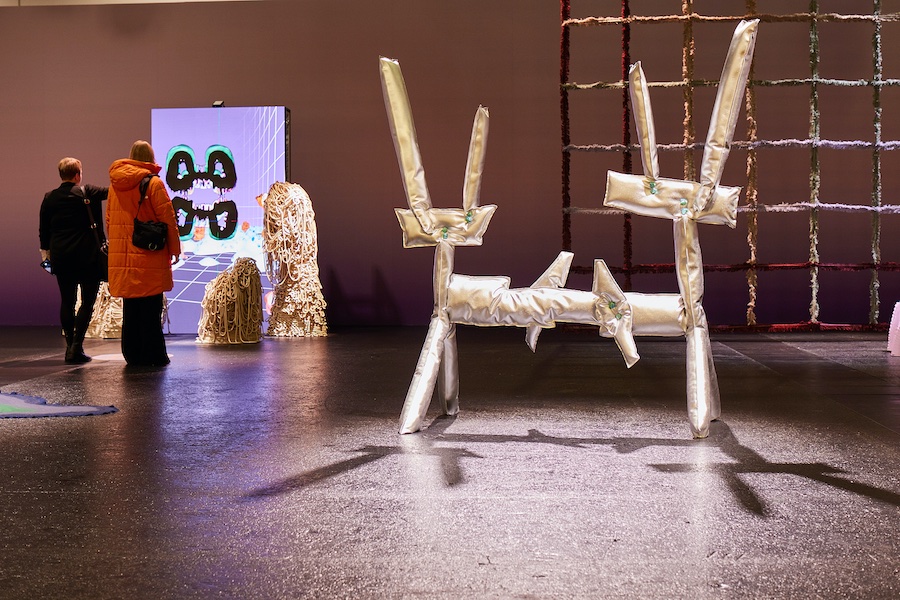
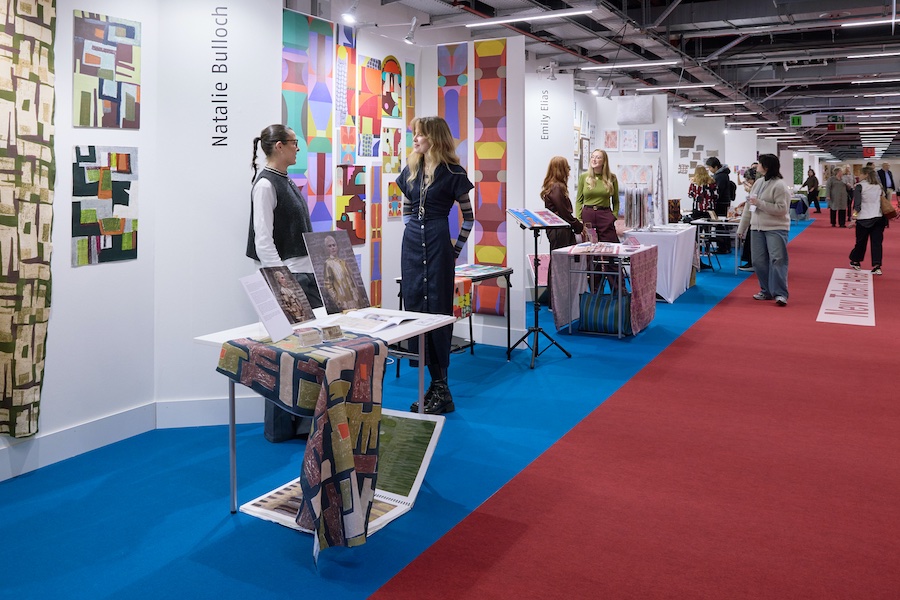
The Heimtextil industry takes the subject of sustainability seriously and the trade fairs also show that sustainability is not a trend but has been increasingly anchored in the industry for years and is constantly developing through innovations. At the Heimtextil Summer Special, the measures and offers relating to sustainability will be brought to life. In the centre of the fair grounds, in Hall 4.0, the trend area under the motto 'Next Horizons' not only offers inspiration for the latest trend colours and materials but also shows how sustainable themes can be staged. Based on the Material Manifesto, local resources, environmentally friendly or borrowed materials will be used for the stand design. The Green Village (Hall 3.0, Stand D51) helps to keep track of official labels and certificates. Label providers and certifiers will provide exhibitors and interested trade visitors with answers to their questions and up-to-date information on current developments. This is also where you will find the SDG (Sustainable Development Goals) Lounge, which is being created in cooperation between Messe Frankfurt and the Conscious Fashion and Lifestyle Network as well as the United Nations Office for Partnerships. Together with Messe Frankfurt's Texpertise Network, the business network of the company's around 50 international textile fairs, the lounge focuses on the UN's Sustainable Development Goals (SDGs). The online Green Directory shows all suppliers of sustainably produced textiles. Finding one's way around the fair is made easier by the exhibitors' clearly recognisable stand sign. The Green Tours also offer the opportunity to be guided directly to selected sustainably producing companies and to learn more about their products. There will also be numerous specialist lectures, such as at the Heimtextil Conference: Sleep & More (Hall 3.0, Stand D 041). Here, high-calibre experts will provide valuable orientation for decision-makers in the hotel industry and hospitality trends will be examined from the point of view of sustainability and the circular economy.