#Dyeing, Drying, Finishing
Ready for the future: PI Cottex chooses Brückner again for reliable quality and efficiency
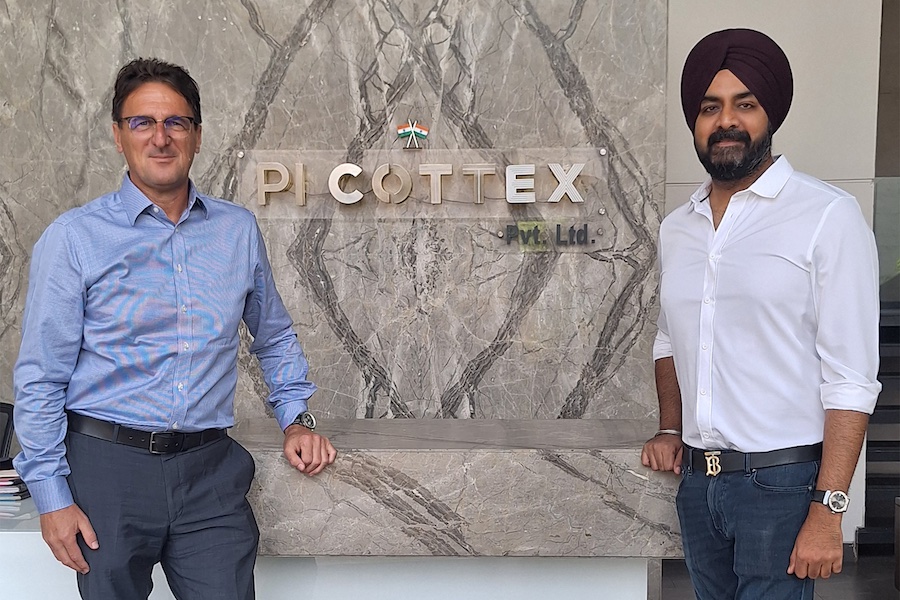
Could you briefly introduce PI Cottex to us?
PI Cottex is a vertically integrated manufacturer of knitted fabrics with a wide-ranging product portfo-lio. The company produces various fabric types, including single jersey, piqué, terry, fleece, rib, inter-lock and waffle fabrics, as well as high-quality activewear fabrics, mostly made from cotton or cotton-elastane blends. In addition, PI Cottex develops bespoke solutions in terms of weight, width, fabric blend, colour and finish. Its customers include well-known national and international fashion brands from the fashion, casualwear, sportswear and athleisure sectors, including, amongst others, Benetton, Tommy Hilfiger, Skechers, Levi’s, Puma, Vero Moda and Jack & Jones.
Which markets are particularly important for your company?
The international market plays a key role for PI Cottex and currently accounts for around 70 to 75 % of its business. Export markets place high demands on product quality, process stability and sustainabil-ity, whilst at the same time offering attractive growth opportunities. The Indian domestic market is also becoming increasingly important. In particular, organized retail chains, sportswear manufacturers and fast-growing fashion brands are driving rising demand for high-quality fabrics.
What sets PI Cottex apart?
One of PI Cottex’s greatest strengths is its consistent vertical integration. All processes – knitting, dye-ing and finishing – are carried out in-house. This enables the company to maintain control at all times over key quality parameters such as colour shade, weight, width, shrinkage values and hand feel. At the same time, the integrated structure allows for a high degree of flexibility, short response times and the development of bespoke customer solutions.
What does your machinery consist of?
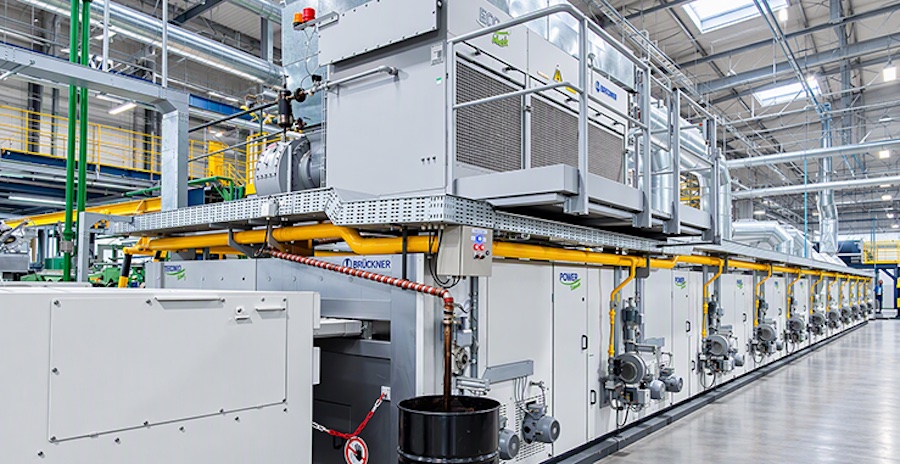
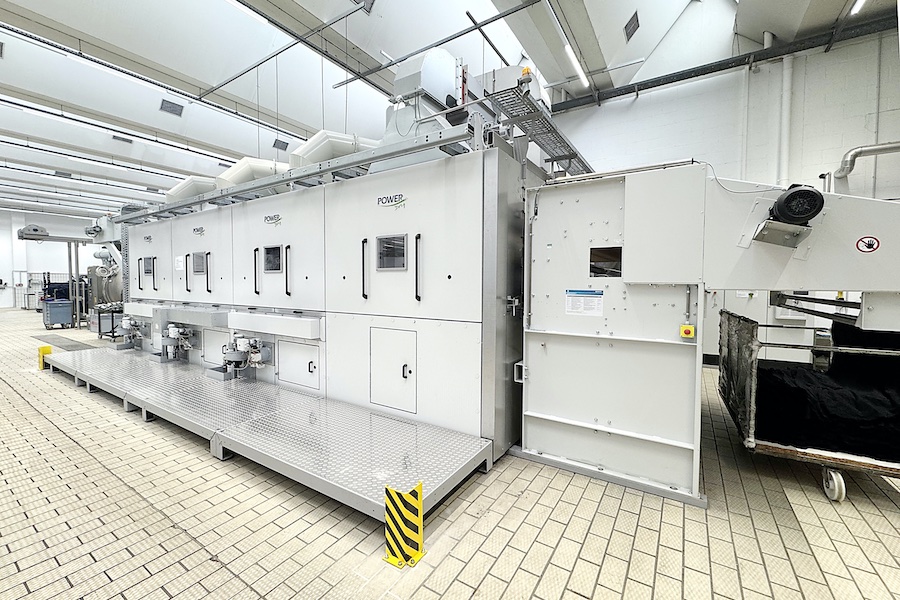
PI Cottex currently operates four stenter frames: one 6-chamber stenter frame, one 8-chamber stenter frame and two 10-chamber machines. Two of these machines are from Brückner: the 6-chamber and the 10-chamber stenter frames. The experience with Brückner has been very positive, which is why further investments are already being considered.
Why did you choose Brückner?
The decision to choose Brückner was based on the positive experience with the systems already in-stalled. In particular, the reliable performance, high process reliability and consistently high quality of the finishing results convinced the company. The machines consistently delivered high-quality results and supported stable and efficient production. This fostered the confidence to invest in Brückner tech-nology once again.
What specific advantages do you see in Brückner machines?
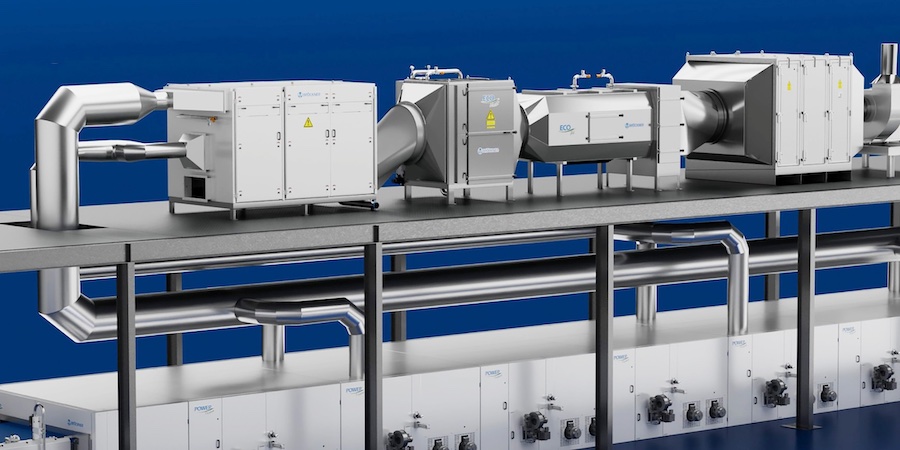
The main advantages lie in Brückner’s dryer design, which makes it possible to carry out the same process using less chambers – whilst maintaining the same results. Furthermore, the systems offer very high production output, consistent heat-setting results, better shrinkage control and significantly higher energy efficiency than other machines. Ultimately, this leads to consistently high fabric quality and high-quality end products. At the same time, the machines ensure high operational reliability, reduce process fluctuations and support cost-effective production, which made the investment deci-sion much easier.
What makes the collaboration with Brückner so special?
PI Cottex particularly values the fact that Brückner is far more than just a machine supplier. The com-pany has a deep understanding of textile finishing processes and supports its customers in efficiently meeting demanding quality requirements. The combination of technological expertise, high-quality equipment and long-term reliability forms the basis for this successful partnership.
Do your customers specify requirements when selecting machinery?
PI Cottex’s customers do not specify particular machinery manufacturers. What matters most is con-sistently high quality, reliable delivery times and compliance with international standards. To meet these requirements, the company invests specifically in modern technologies and high-performance production equipment. Brückner meets all these criteria.
What are PI Cottex’s objectives for the coming years?
PI Cottex is pursuing an ambitious growth strategy. Over the next two to five years, production capaci-ty is set to increase from the current level of around 600 tons to approximately 1,000 tons per month. At the same time, the company is planning to invest further in automation, modern technologies and enhanced quality assurance systems. In addition, opportunities for diversification into related business areas such as yarns or fabrics are being explored.
What challenges is the industry currently facing?
Like many companies in the textile industry, PI Cottex is also facing a challenging market environment. Among the greatest challenges are fluctuating raw material prices, geopolitical uncertainties, delays in international trade and, in some cases, subdued demand in export markets. Against this backdrop, efficiency, cost control, high quality and short lead times are becoming increasingly important.
Figures, Data and Sustainability
PI Cottex currently generates an annual turnover of around 200 crore INR and employs approximately 500 staff. The company is growing at a rate of around 20 per cent per year and has evolved from a traditional contract finisher into a fully integrated manufacturing company.
Sustainability is firmly embedded in the company’s strategy. Among other things, PI Cottex relies on agro-based fuels for steam generation, modern wastewater treatment systems and various programs to raise awareness and provide training for its staff. Furthermore, the company holds key certifica-tions such as OEKO-TEX®, BCI, GOTS, GRS and SEDEX, thereby meeting the requirements of interna-tional brands for sustainable and responsible production.