[pageLogInLogOut]

#Dyeing, Drying, Finishing

Monforts automation reinvigorates Pincroft line

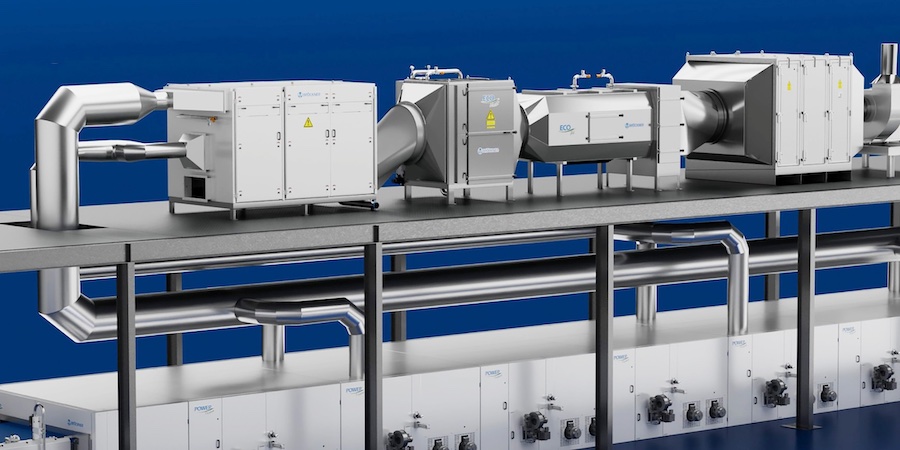
As a specialist in dyeing, printing and finishing very well known for its advanced camouflage ranges for the military, long-standing Monforts customer Pincroft is now benefiting from a complete modernisation of the Thermex continuous dyeing, condensing and thermosoling range at its Adlington dyehouse in Lancashire, UK.
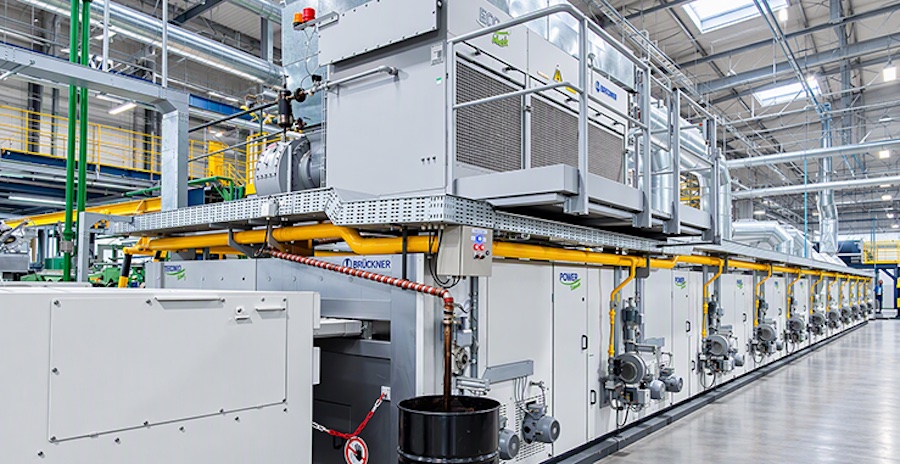
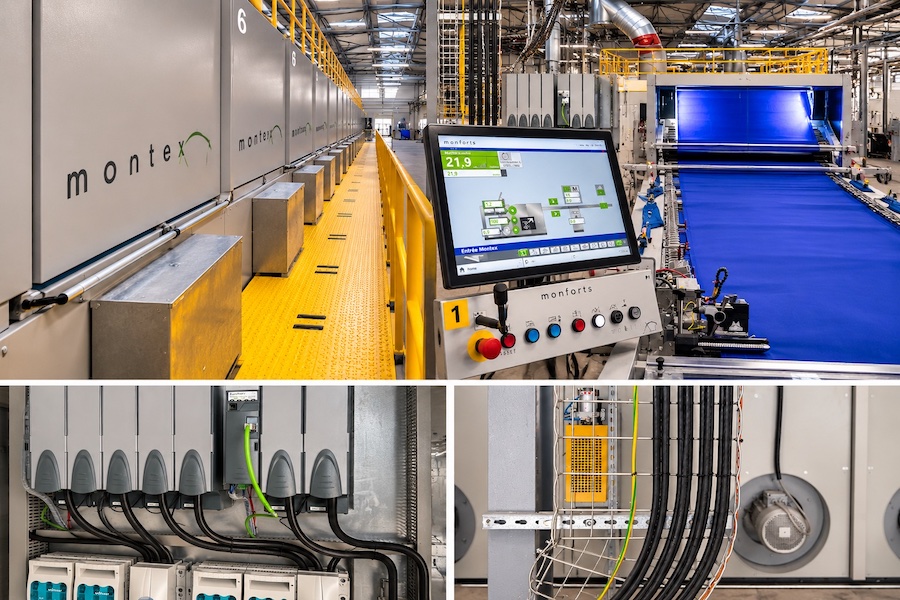
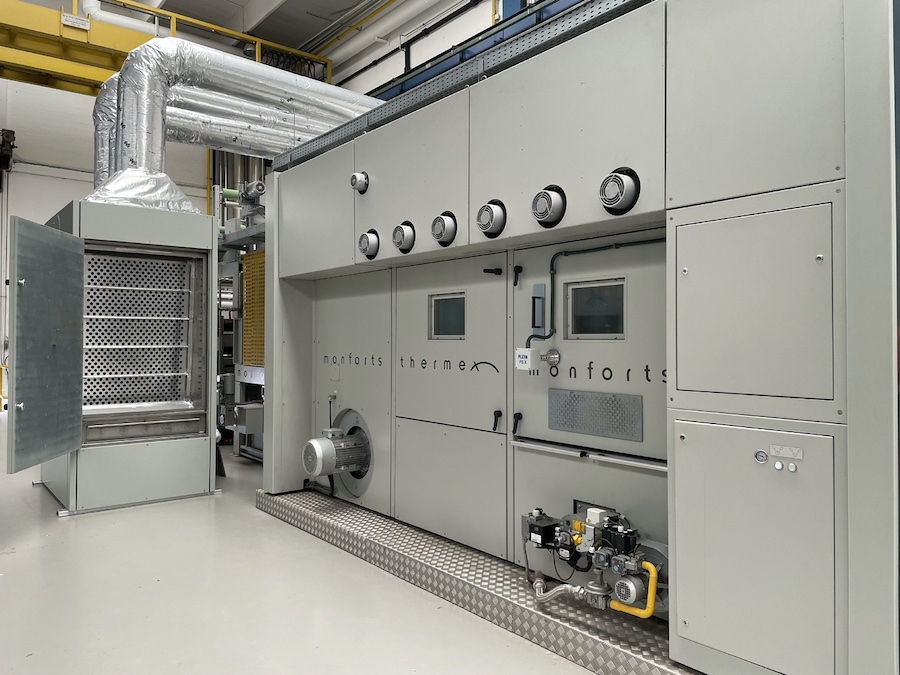
The Thermex range at Pincroft’s Adlington dyehouse © 2024 Monforts


First installed in 2007, the line has been upgraded to match the performance of the very latest Monforts Thermex lines that are equipped with advanced automation features providing machine operators with full control over the entire system. 

The modernisation project included new control cabinets, gear motors for the fabric transport drives and PC, PLC control, touch panels and frequency inverters. 

The new control cabinets were supplied fully pre-assembled from the Monforts HQ in Mönchengladbach, Germany, for direct connection to the line.

In addition, Pincroft has installed a new combined heat and power (CHP) plant at the site and is now able to produce 67% of its own electricity and recover heat for use across its textile operations. 

Know-how

With over 130 years of accumulated know-how in the bleaching, dyeing, printing and finishing of fabrics, Pincroft has an annual production capacity of 50 million metres.

Its meticulous pre-treatment processes, including brushing, singeing, desizing, scouring, bleaching, and mercerising, ensure that fabrics are primed for dyeing and printing, enhancing their quality and performance.
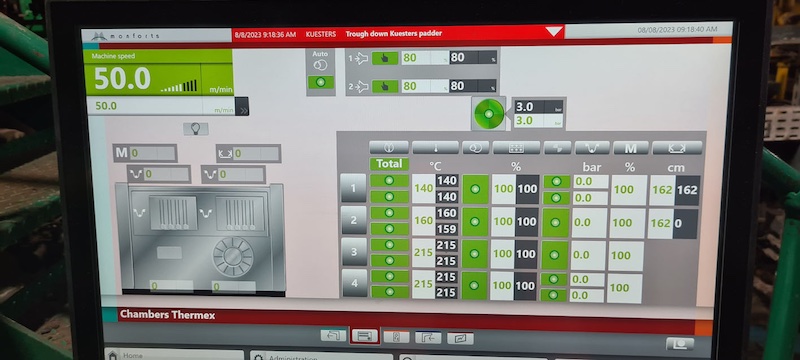
The modernisation project included new control cabinets, gear motors for the fabric transport drives and PC, PLC control, touch panels and frequency inverters © 2024 Monforts


Drawing on a vast knowledge in commission textile dyeing, eco-friendly dyeing methods and advanced lines ensure precise and consistent colour shades meeting the most challenging fabric requirements and as a specialist in bespoke commission printing, services span everything from camouflage printing for global military forces to designs for home and workwear.

Mechanical and chemical finishing services can further transform textiles and enhance their inherent properties and the company is Europe’s leader in flame retardant fabric treatments, with its Proban® treated textiles ensuring ultimate protection with outstanding comfort, appearance and durability.

After joining forces with Carrington Textiles in 1998, the company has been an integral part of one of the largest suppliers of workwear, flame retardant, waterproof, defence and sustainable fabrics to some of the biggest companies and organisations in the world.

Since then, export business has significantly expanded to over 80 countries and the two companies enjoy a particularly strong position in the supply of camouflage and uniform materials to armed forces around the world, including the UK and Dutch Ministries of Defence, as well as the Finnish and Estonian armies.

Reliability

The upgraded Thermex system at Pincroft’s Adlington plant now achieves unrivalled reliability even at maximum fabric speeds, for exceptional cost-effectiveness when dyeing both large and small batches of woven fabrics. 

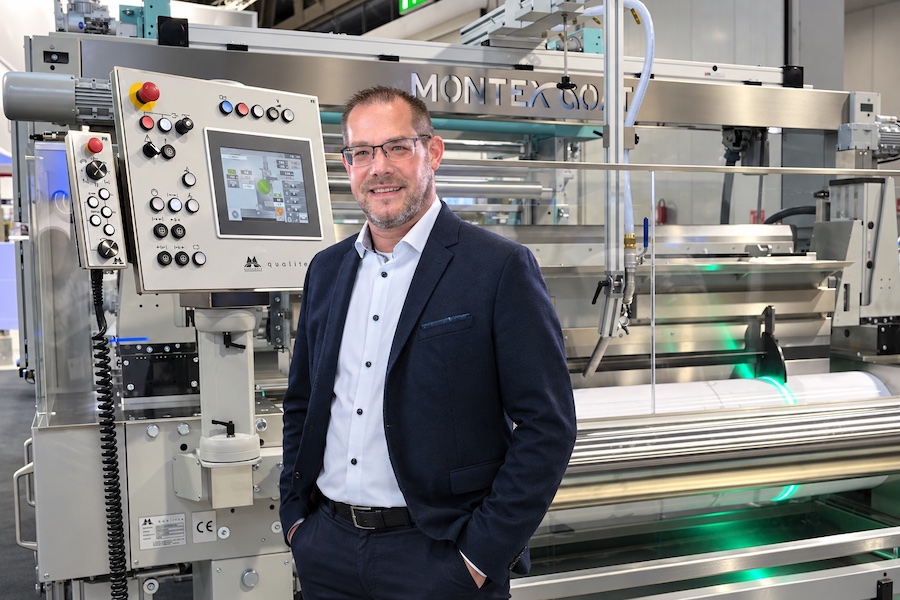
“Our machines are built to last and known for their robustness and long service life,” says Monforts Area Sales Manager and Head of Spare Parts and Retrofits Achim Gesser. “Textile companies making major capital investments in new manufacturing lines rely on durability from the company’s production ranges, and it’s for this reason that there are currently an estimated 2,000 Monforts machines in operation worldwide – some of which were first installed over 30 years ago. 
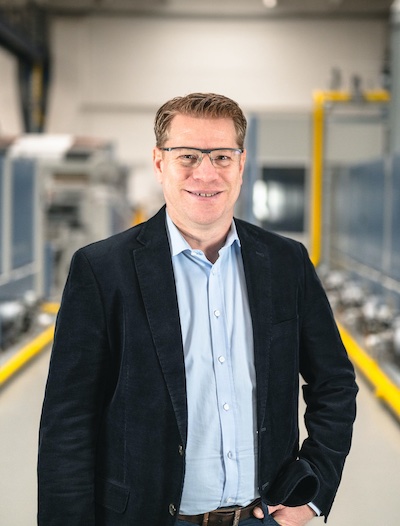
Monforts Area Sales Manager and Head of Spare Parts and Retrofits Achim Gesser © 2024 Monforts


“This doesn’t mean, however, that they can’t benefit from many of the advances in performance and automation we have subsequently made. The retrofitting of specific modules with new control and drive technology – going far beyond the basic replacement of spare parts – can have a significant impact on the performance of an existing line and especially maximising energy savings.”
More News from A. Monforts Textilmaschinen GmbH & Co. KG

#Dyeing, Drying, Finishing

AEI reaps the benefits of all-electric new Monforts range

The impact of the rising cost of energy on the textile industry has been well documented, with some European countries paying up to seven times more to run their manufacturing operations than in other regions of the world.

#India ITME 2026

Monforts ready for India’s next phase of textile growth at ITME 2026

Advanced finishing, coating and energy-efficient processing will be highlighted by Monforts at India ITME 2026, as the region’s textile manufacturers increasingly look beyond volume production towards higher-value fabrics. The German finishing machinery specialist sees considerable potential in India as investment continues in conventional apparel and home textiles alongside rapidly developing markets for technical textiles, activewear, sportswear, filtration and automotive applications.

#IGATEX 2026

Impressive savings with Monforts’ stand-alone air/air heat exchanger

Having maintained an 80% share of Pakistan’s new stenter market with MONTEX machines for over 20 years and additionally now installed over 40 THERMEX dyeing ranges in the country, Monforts will highlight the benefits of its latest Universal Energy Tower at IGATEX 2026.

#Dyeing, Drying, Finishing

Turning new ideas into industrial reality at the Monforts ATC

The Monforts Advanced Technology Centre (ATC), initially opened in 2103 and subsequently expanded, continues to be an invaluable resource to customers from around the world in achieving new standards in fabric finishing.

More News on Dyeing, Drying, Finishing

#ITMA Asia + CITME 2026

Brückner showcases sustainable technologies for the future of textile finishing at ITMA ASIA 2026

With rising energy costs, increasing environmental requirements, and growing competitive pressure, textile manufacturers worldwide are facing the challenge of making their production processes both more sustainable and more cost-effective. As one of the world's leading specialists in textile finishing machinery, Brückner will present innovative solutions and advanced production technologies at ITMA ASIA 2026 in Shanghai. These technologies can play a key role in significantly reducing both energy consumption and emissions.

#ITMA Asia + CITME 2026

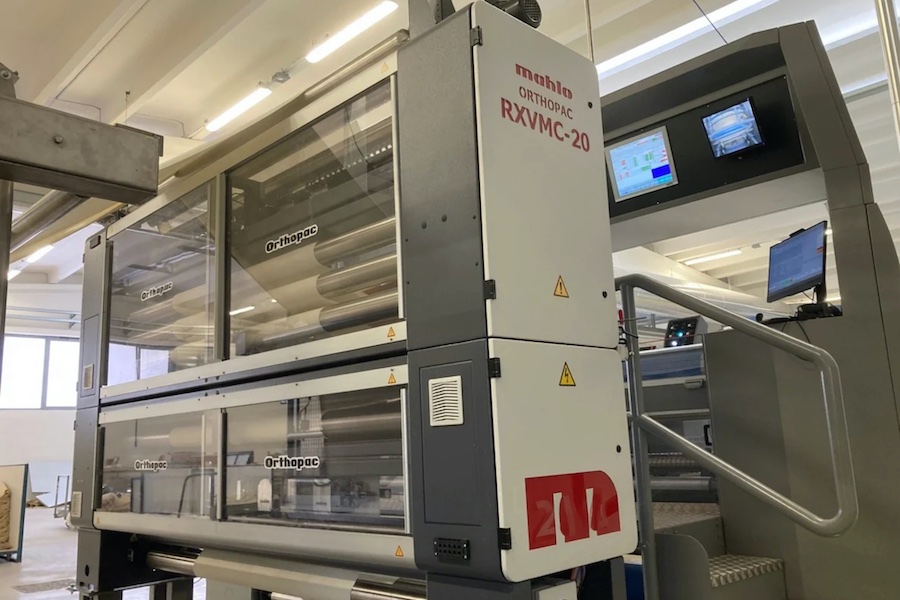
Mahlo introduces AI-supported Orthopac RVMC-20 plus at ITMA Asia 2026

From November 20 to 24, 2026, Mahlo GmbH + Co. KG will present its system portfolio for the textile industry at ITMA Asia in Shanghai. Together with its local sales and service partner Kuantex and Mahlo China, the Bavarian technology specialist will demonstrate at Booth C22 in Hall 7.1 how intelligent measurement and control technology can improve the quality and efficiency of textile production processes. The spotlight will be on the new Orthopac RVMC-20 plus, which combines precise weft straightening with fully integrated process control.

#Dyeing, Drying, Finishing

Brazilian market leader Cedro Têxtil focuses on greater efficiency, sustainability, and product quality with Brückner

After more than 150 years of company history, Cedro Têxtil is once again embracing the challenges of a changing industry. Widely recognized as the largest manufacturer of workwear fabrics in Latin America, the Brazilian textile company continues to invest in the modernization of its production facilities. A key milestone in this process was the decision to install a state-of-the-art Brückner stenter frame just over a year ago.

Latest News

#Recycling / Circular Economy

Circulose resumes recycling of discarded cotton textiles and appoints interim CEO

Circulose today announced its restart of commercial-scale production plant at Ortviken in Sundsvall, Sweden, marking a significant step in scaling next-generation materials for the global fashion industry. The Ortviken plant is the world’s first commercial-scale chemical textile recycling facility. Its restart demonstrates that the fashion industry is seeking ways to scale proven solutions that move beyond pilots and into commercial production.

#ITMA Asia + CITME 2026

Itema brings textile versatility to ITMA ASIA + CITME 2026

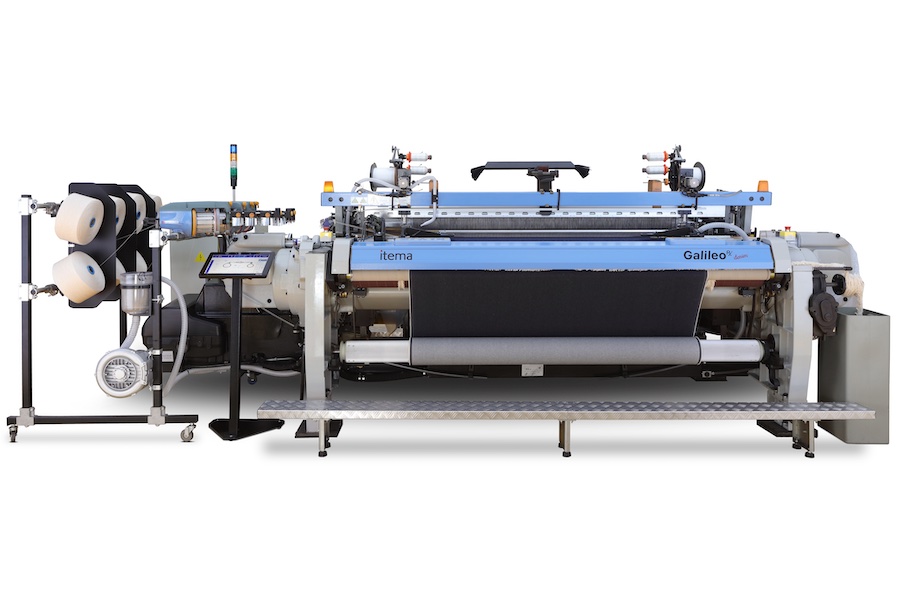
Itema announces its participation in ITMA ASIA + CITME 2026, taking place November 20–24 at the National Exhibition and Convention Center in Shanghai. In Hall 3 – Stand D06, the company will showcase two Galileo-RX rapier weaving machines weaving heavy denim and conveyor belt fabrics, demonstrating its ability to address different textile requirements with application-specific configurations. Five additional Itema machines at partner booths will extend the exhibition lineup to upper shoe fabric, label, Jacquard leno fabrics, and shirting, offering visitors a broader view of Itema rapier and air-jet weaving technologies.

#India ITME 2026

Stäubli to introduce new S3292 dobby for high-speed weaving at ITME India 2026

Stäubli will introduce its new S3292 dobby at ITME India 2026, taking place from December 4 to 9 at the India Expo Centre & Mart in Greater Noida, Uttar Pradesh. Designed for high-speed air-jet weaving, the new machine will be among the highlights of the company's presentation, which also includes warp preparation systems, cam motions, Jacquard technologies and digital services.

#Research & Development

DITF develops bio-based binding fibers for wood-fiber insulation materials

As part of the CelluWoodFlex project, the German Institutes of Textile- and Fiber-Research in Denkendorf (DITF) are developing bio-based cellulose ester fibers as alternative binding fibers for flexible wood fiber insulation materials. In addition to the spinning process and the production of suitable staple fibers, the institute is also investigating how wood and cellulose fibers can be separated and recycled at the end of their useful life.

TOP