[pageLogInLogOut]

#Digital Printing

Clear ink added to the GREENGUARD Gold certified LUS-170 UV-LED curable inks

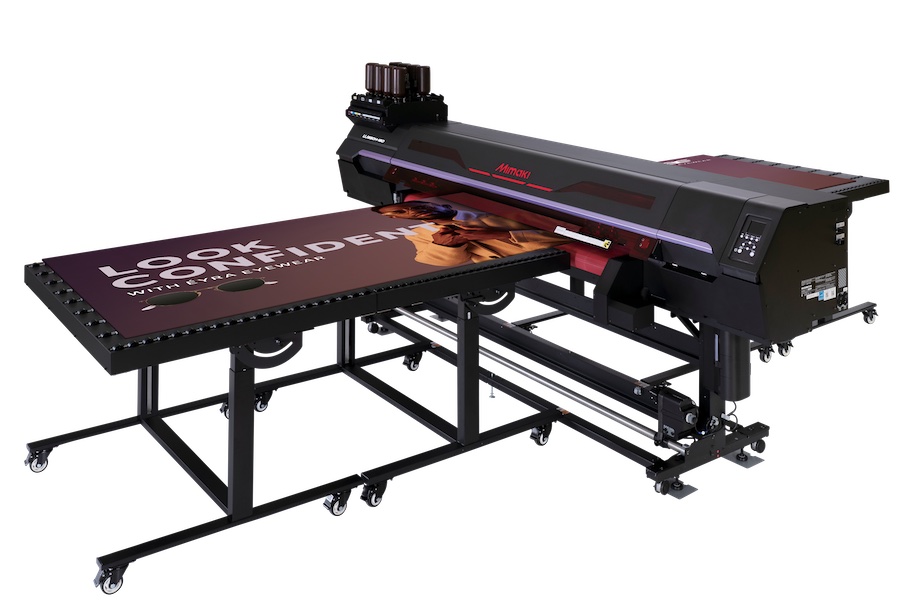
Mimaki, a leading manufacturer of wide format inkjet printers and cutting machines, today announces the availability of new LUS-170 Clear Ink to be used on the UCJV300 Series. The additional LUS-170 clear ink offers a host of new design possibilities and expands business opportunities by creating compelling displays using gloss, matte or textured finish.

”With the availability of this clear ink for UCJV300 series, we have employed our proprietary Mimaki Clear Control (MCC) technology for the first time in a roll-to-roll printer,” said Ronald van den Broek, General Manager Sales EMEA of Mimaki Europe. “This unique feature shortens the time needed for ink curing to prevent dust from sticking, ensuring smoother, cleaner clear effects, such as matte or glossy finish. We believe this new ink opens up more possibilities for Mimaki users and enhances the versatility of our award-winning UCJV300 series even further.”

To simplify the process of creating clear effects, Mimaki also offers the ARTISTA UV Textile Library, which users can access when they install Mimaki’s RasterLink6Plus RIP software on a UCJV300 printer. The ARTISTA UV Texture Library features 129 texture swatches for use in Adobe Illustrator to add even more visual effects.

About the Mimaki UCJV300 Series

Available in four different print widths ranging from 80cm to 1.6m, the Mimaki UCJV300 series delivers a remarkable range of applications and versatility with layered print technology, including newly developed four-layer and five-layer capabilities. Their integrated cut functionality enables volume production of labels, decals, window clings, vehicle markings and more. Utilising flexible UV inks that cure instantly, allows customers to quickly print and immediately laminate or deliver the finished product without waiting for drying. In addition, these printers also feature white ink, enabling users to produce brilliant colours on transparent, coloured or metallic substrates.

Mimik UCJV300 (c) 2018 Mimaki

With its layered printing capability, the UCJV300 series can deliver dynamic backlit graphics, or graphics that are transformed with different light sources, which are certain to command high margins. UV-curable inks also offer greater opacity with less ink consumption than other ink formulations. Moreover, Mimaki’s LUS-170 ink is GREENGUARD Gold certified, meaning that it meets the rigorous standards for low emission of volatile organic compounds (VOCs) and is acceptable for use in environments such as schools and healthcare facilities.
More News from Mimaki Europe B.V.

#Digital Printing

Mimaki highlights growing demand for hybrid UV printing across European markets

Insights from Mimaki's European partner network reveal how hybrid UV printing is responding to different regional market needs, driven by growing demand for flexible, application-oriented printing technologies.

#Digital Printing

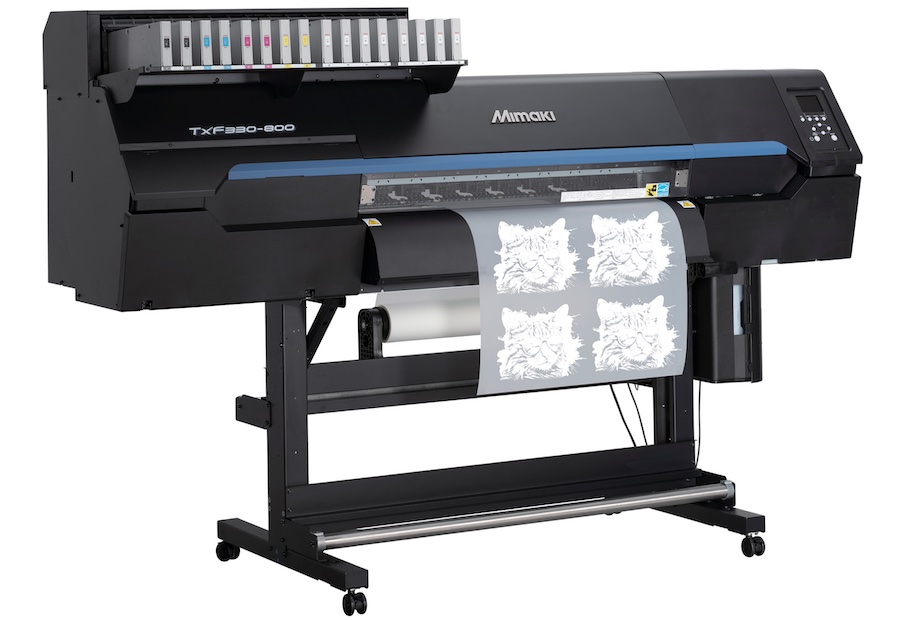
Mimaki advances DTF productivity and stability with new TxF330-800

Mimaki Europe, a leading manufacturer of industrial inkjet printers and cutting plotters, announces the TxF330-800, its new direct-to-film (DTF) printer. Designed to support stable, high-quality garment decoration in demanding print environments, the system combines automated maintenance, expanded white ink capacity and advanced production capabilities to streamline workflow.

#Digital Printing

Where every detail counts: Experiential applications of DTF and UV-DTF printing

Personalisation has moved far beyond the traditional logo on a t-shirt. Today, brands want to create complete experiences, where every detail – from clothing and accessories to décor and packaging – feels distinctive and reflective of their identity.

#Digital Printing

DTF vs DTG Printing - The technologies shaping today’s custom merchandise market

From sportswear to branded tote bags, custom merchandise continues to grow in popularity across sectors, driving print shops to cater to short runs, personalisation, and rapid turnaround. As print providers look to this market, two printing technologies often stand out: Direct‑to‑Film (DTF) and Direct‑to‑Garment (DTG). Each offers its own benefits, and understanding these differences helps determine the most suitable production method for print service providers.

More News on Digital Printing

#Digital Printing

From a bedroom startup to 3,000 designs: How Lonely Kids Club built its business with DTG printing

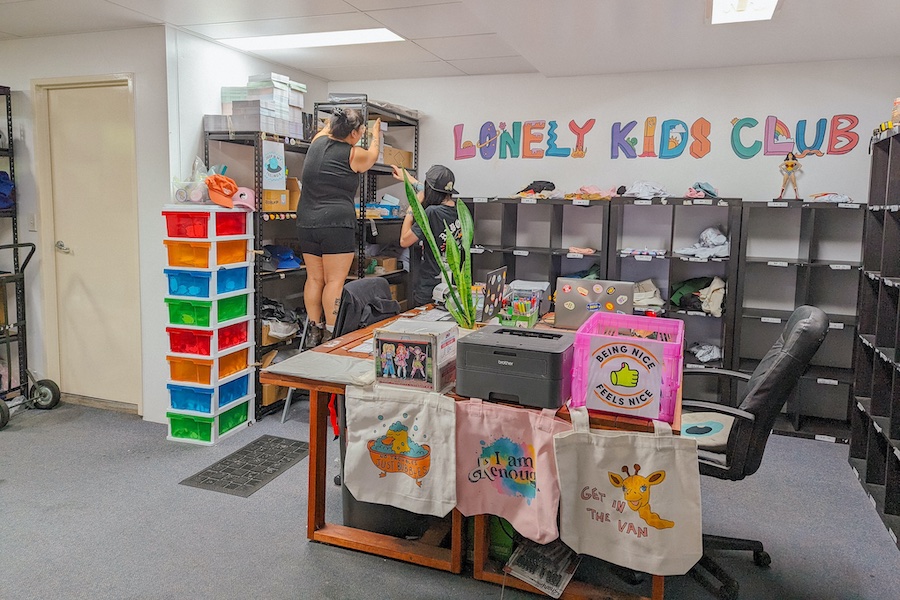
Founded in Sydney in 2011, independent clothing label Lonely Kids Club has grown from a bedroom startup into a business offering around 3,000 graphic T-shirt designs. With its own production studio, direct-to-garment printing and a demand-driven manufacturing model, the company demonstrates how smaller apparel brands can combine creative independence with flexible production – while navigating the everyday challenges of quality control, workflow efficiency and sustainability.

#Digital Printing

VistaPrint increases apparel production capacity with Kornit Apollo

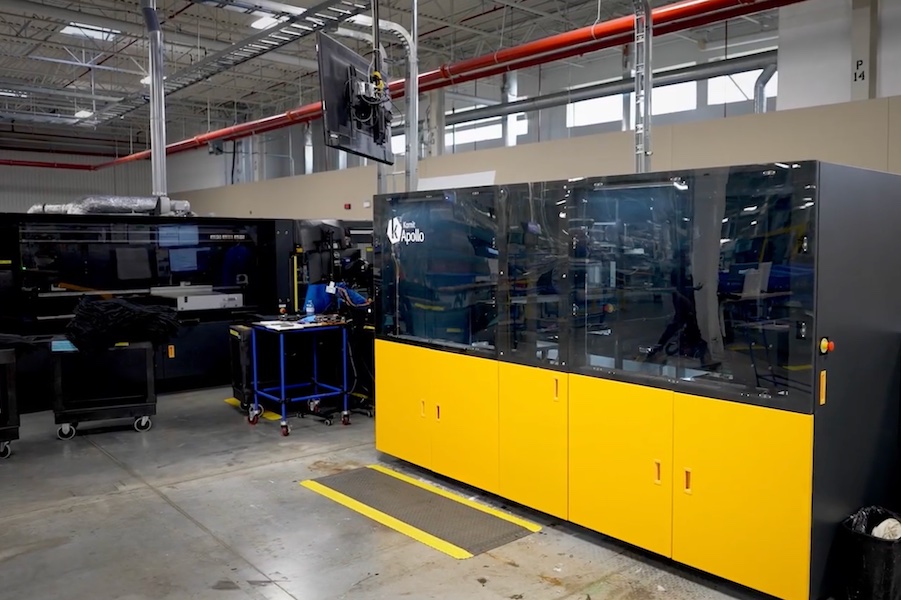
Kornit Digital (NASDAQ: KRNT), a provider of on-demand digital textile production technologies, reports that VistaPrint has significantly increased its apparel production capacity through the implementation of the Kornit Apollo system. The installation has enabled the international print and design company to add approximately 25,000 units of weekly production capacity while improving production speed, operational efficiency and order turnaround times.

#Digital Printing

Blue Tomato accelerates agile retail apparel production with Kornit Digital

Kornit Digital (NASDAQ: KRNT), a global pioneer in on-demand digital fashion and textile production technologies, is highlighting how Blue Tomato, Europe’s largest board sports retailer, is using two Kornit Atlas MAX PLUS systems to support a more agile approach to in-house apparel production. The systems are helping Blue Tomato respond faster to changing consumer trends, produce high-quality apparel for its network of 86 retail stores across Europe and reduce inventory by printing only what the market demands.

#Digital Printing

Growth at the speed of demand: Kornit Digital brings digital textile innovation to PERFORMANCE DAYS 2026

Kornit Digital Ltd. (NASDAQ: KRNT) (“Kornit”), a global pioneer in on-demand digital fashion and textile production, will showcase the possibilities of digital, on-demand production at PERFORMANCE DAYS 2026, October 13–14 at Messe München, Hall 6, Booth E08.

Latest News

#ITMA Asia + CITME 2026

ITMA ASIA + CITME 2026 opens in Shanghai, showcasing intelligent and sustainable textile manufacturing

ITMA ASIA + CITME 2026 opened today at the National Exhibition and Convention Center in Shanghai, bringing the global textile machinery industry together from 20 to 24 November.

#Associations

Christoph René Holler to succeed Uwe Mazura as managing director of textil+mode

Christoph René Holler will take over as managing director of textil+mode, the German textile and fashion industry confederation, on 1 January 2027. He succeeds Uwe Mazura, who has led the association for 13 years and will remain in charge of collective bargaining policy through the next round of negotiations before retiring.

#Heimtextil 2027

Heimtextil and The Florentin showcase the role of textiles in hotel design

Heimtextil has partnered with Frankfurt hotel The Florentin by Althoff Collection for its new Interior.Architecture.Hospitality campaign. The collaboration will give architects, interior designers and other contract-sector professionals a closer look at how textiles were used in the hotel. The two studios behind the project will discuss their work at Heimtextil on 14 January 2027 in Hall 4.1.

#EU Textile Strategy

EU Commission proposes advanced materials agenda with targets for 2035

The European Commission has proposed an Advanced Materials for Europe agenda to accelerate the development, production and adoption of safer and more sustainable advanced materials. The proposal sets three benchmarks for 2035 and calls for closer coordination among EU member states to help move new materials from the laboratory into industrial production.

TOP