[pageLogInLogOut]

#Associations

Engineering depth and diversity for composites

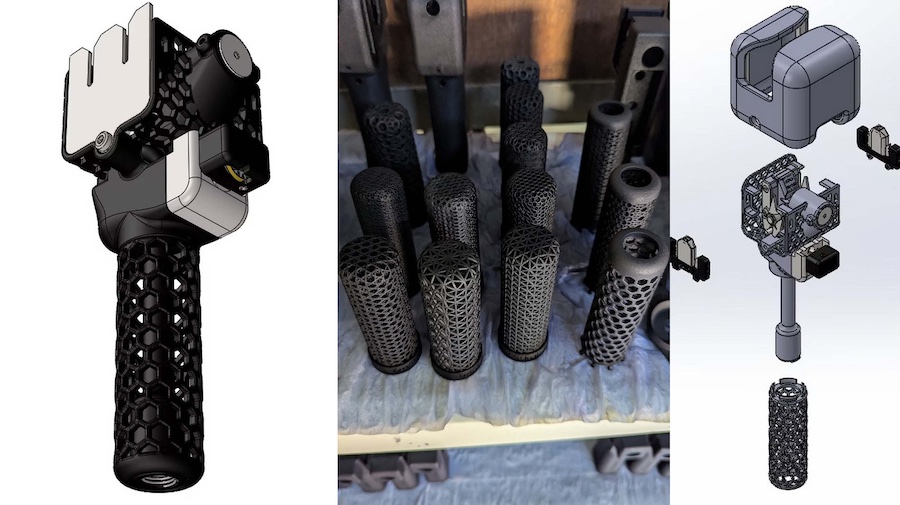
Airbond prototyped and tested a number of structures with different cell sizes and thicknesses before deciding on the optimised structure for its latest range of 3D-printed splicers. © 2026 Airbond
Airbond is the latest member of the British Textile Machinery Association (BTMA) to receive recognition for contributions to the composites industry. The engineering firm based in Pontypool, South Wales, has just received the Make UK Energy and Sustainability Award for its Lattice 3D Printing project.


The award recognises the company’s use of industrial 3D printing and advanced design methods to reduce material use and waste in the production of its pneumatic splicers, while improving manufacturing efficiency and maintaining the reliability demanded by industrial customers.

“We’ve used 3D printing to do something traditional manufacturing can’t – build strength and performance into the inside of the part, using far less material,” explains Maxim Wright, Airbond’s Head of Design and Development who leads the company’s design engineering and additive manufacturing programme. “Winning a national sustainability award is a big moment for a small team in Pontypool and it shows what modern Welsh engineering can deliver.”

Optimised structure

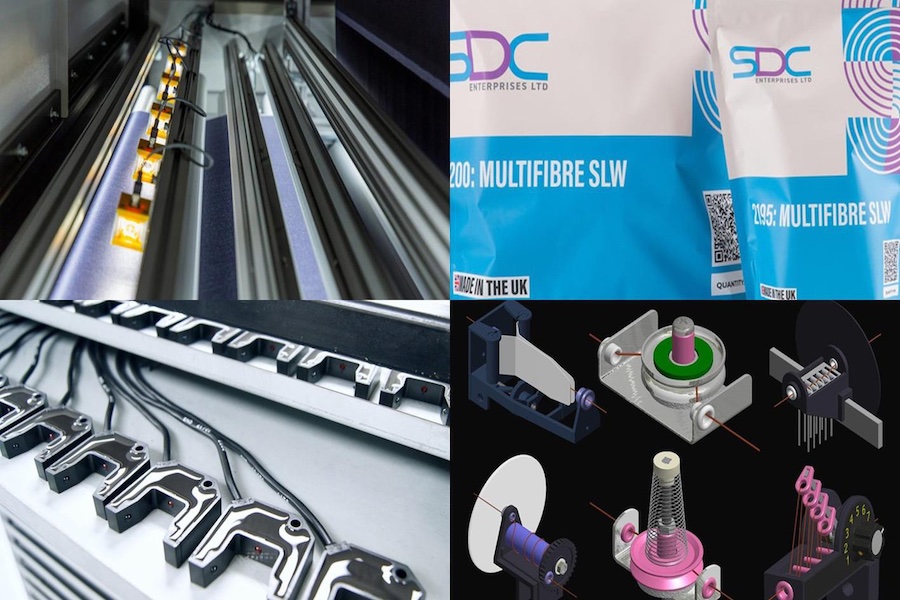
Pneumatic splicing was invented by Airbond in the 1960s, initially for the textile industry, and has subsequently been widely adopted by companies manufacturing carbon and aramid-based components for the aerospace, automotive and wind power industries.

Using Carbon3D’s Lattice Design Engine, Airbond prototyped and tested a number of structures – Voronoi, Tetrahedral, Kagome – all with different cell sizes and thicknesses, before deciding on the optimised structure for its latest range of splicers.

Zero mechanical failures and a strong customer response confirmed the design’s robustness and manufacturing viability. The standardised modular design is 33% lighter than previous splicers and has reduced costs in electrical packages, engineering and installation for Airbond, which continues to invest in product development and manufacturing capability in South Wales, applying advanced design to make industrial tools lighter, more efficient to produce and more sustainable.

Interfacing with specialists

This success follows quickly on the heels of the announcement that fellow BTMA member Cygnet Texkimp has been shortlisted for a 2026 JEC Innovation Award for its collaboration with McLaren Automotive on the ART rapid tape-deposition system. Capable of depositing dry fibre tapes at up to 2.5 metres per second with exceptional precision, ART reduces scrap, shortens cycle times and delivers structural improvements already being realised across McLaren’s composite-intensive vehicle platforms.

As the world’s largest independent manufacturer of prepreg production machinery and handling and converting systems for the composites industry, Cygnet has just launched a new website for its global audience, providing users with easy access to valuable resources and an interface to connect with product specialists.

“The new site gives us a dynamic platform to share our technologies and expertise with our global audience in a way that reflects the ease and professionalism with which we operate,” says CEO Luke Vardy. “We hope it will provide a sense of what it’s like to collaborate with us and a clear view of our commitment to innovation and performance in fibre processing.”
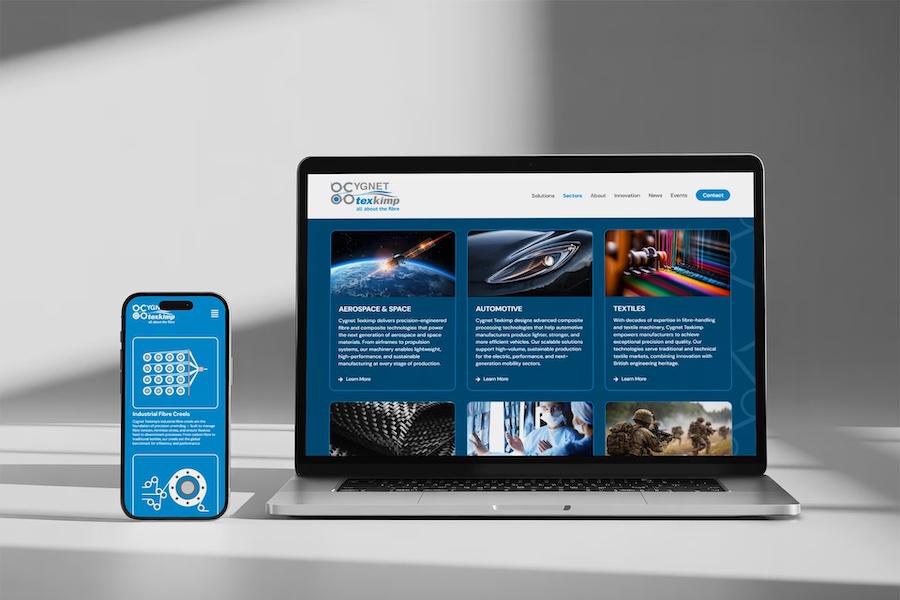
Cygnet has just launched a new website for its global audience. © 2026 Cygnet


Autoclave advances

A dedicated new LinkedIn page meanwhile celebrates 15 years of growth, development, and engineering innovation in autoclave and thermosetting technologies for a third BTMA member, Roaches International.

Roaches Autoclaves was founded in 2011 and has subsequently become a central part of the West Yorkshire-based business, supporting the development of aerospace components and high-performance automotive structures, as well as the production of components for commercial construction, sporting goods and food production and processing.

The company’s first ever autoclave was installed at Crosby Composites in Brackley, Northamptonshire, with a diameter of 2.5 metres and a length of three metres.

“We started big and the industry instantly wanted more, so happily, we carried on and Crosby went on to order three more autoclaves of the same size, all of which are still in operation today and receive reliable and ongoing service from us,” says Roaches International MD Sean O’Neil. “In addition to the machines themselves, support, service, calibration and collaboration remain the cornerstones of Roaches Autoclaves and our dedicated new LinkedIn platform will allow for more frequent, higher quality communication with the digital composites community.”
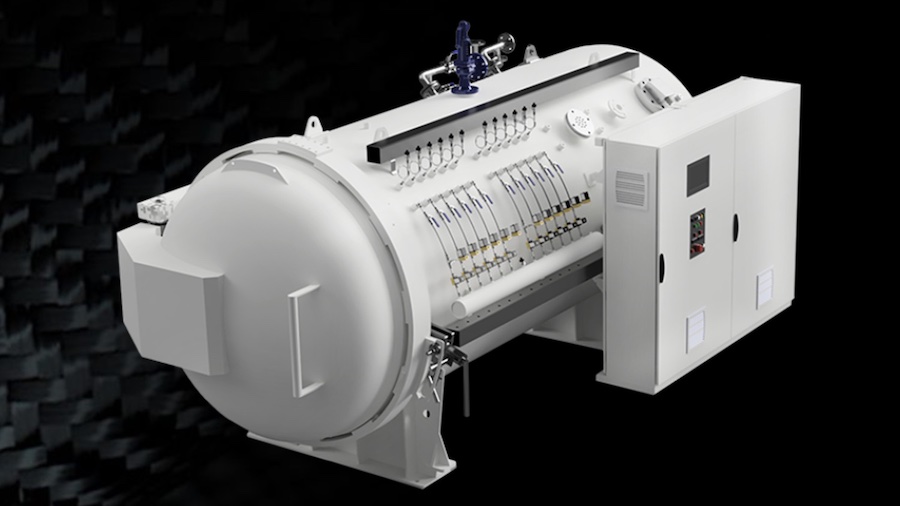
Roaches International is marking 15 years of manufacturing autoclaves for composites manufacturers. © 2026 Roaches International


Measurable benefits

“From additive manufacturing and sustainable product design to high-speed fibre placement and advanced autoclave technologies, our members continue to demonstrate how British machinery and engineering expertise are helping to shape the future of the global composites industry,” says BTMA CEO Jason Kent. “These achievements underline the depth and diversity of engineering excellence across our membership, and what is particularly encouraging is the way they all deliver real, measurable benefits in efficiency, sustainability and performance, while being rooted in long-term investment, collaboration and skills within the UK.”
More News from British Textile Machinery Association

#Associations

BTMA backs global growth while investing in future UK leaders

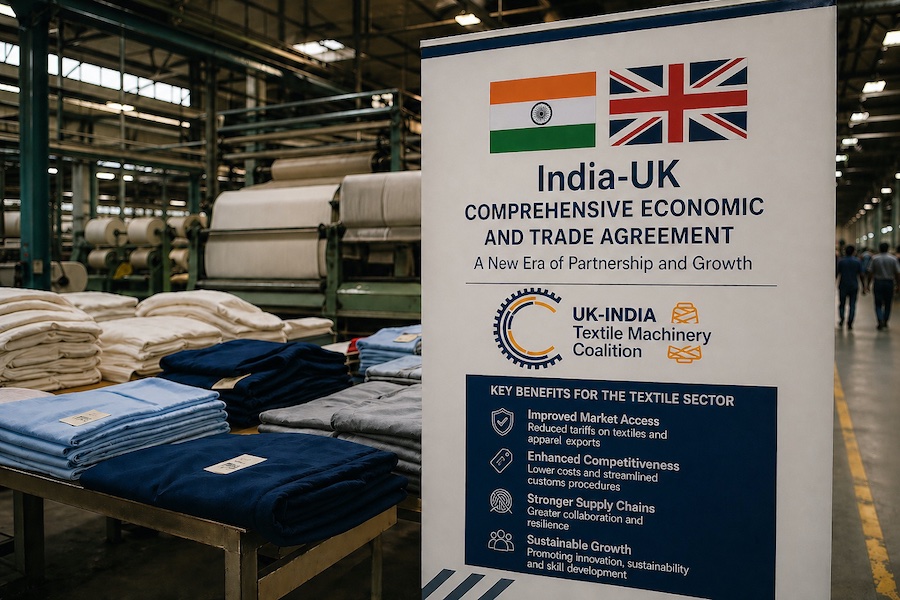
As one of a number of new initiatives launched this year, the British Textile Machinery Association (BTMA) is launching the UK-India Textile Machinery Coalition. The UK-India Free Trade Agreement, signed in July 2025, has implications that extend across sourcing, competitiveness and long-term trade dynamics, believes BTMA CEO Jason Kent.

#Techtextil 2026

Techtextil 2026 recognition for the UK’s FET

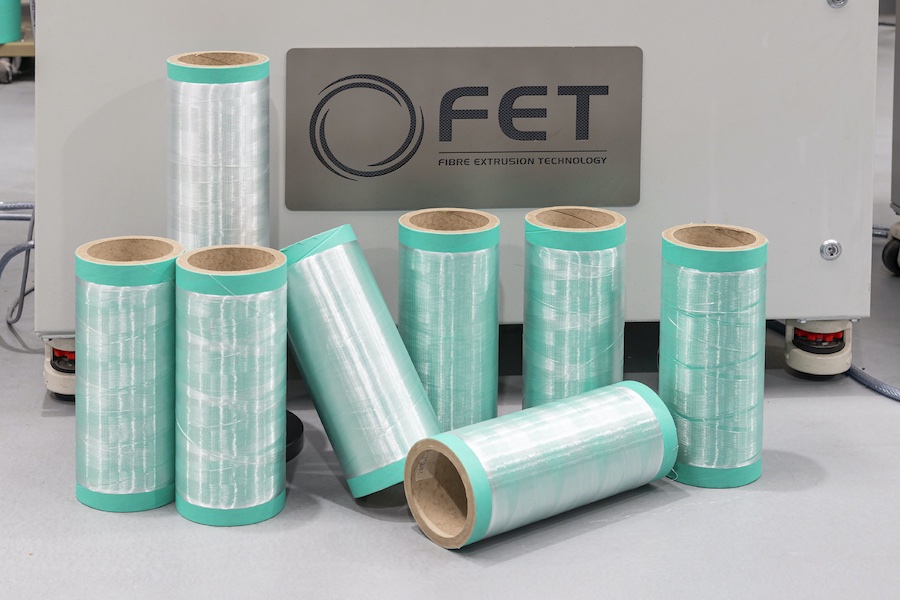
Fibre Extrusion Technology (FET) will receive the Techtextil 2026 New Production Technology Innovation Award at next week’s Techtextil in Frankfurt (April 21-24). The Leeds-based member of the British Textile Machinery Association (BTMA) has developed the FET-500, a new toxic solvent-free gel small scale system for the production of ultra-high-molecular-weight polyethylene (UHMWPE).

#Techtextil 2026

Precision, performance and progress: British textile machinery at Techtextil and Texprocess 2026

As global demand accelerates for lighter, stronger and more sustainable technical textiles, the machinery and testing technologies behind their manufacture are evolving at pace. At the Techtextil and Texprocess exhibitions in Frankfurt this April, eight members of the British Textile Machinery Association (BTMA) will demonstrate how advanced engineering continues to shape the performance, precision and resource efficiency of advanced fibre and fabric production.

#Associations

Driving innovation in technical textiles, digitalisation and testing

Members of the British Textile Machinery Association (BTMA) can look back on 2025 as a year marked by notable technological advances and continued progress in global trade, despite an uncertain and volatile market.

More News on Associations

#Raw Materials

Cotton Brazil Dialogues 2026 concludes with 50 international participants immersed in Brazilian cotton production

The Cotton Brazil Dialogues concludes its 2026 edition after a series of technical visits to farms, cotton gins and reference centers, as well as workshops focused on Brazilian cotton production. A total of 50 participants from 14 countries took part in the field trips. The initiative is led by the Brazilian Association of Cotton Growers (Abrapa) and the National Association of Cotton Exporters (Anea), with support from the Brazilian Trade and Investment Promotion Agency (ApexBrasil).

#Europe

European textile industry calls for €10 handling fee on ultra-fast-fashion imports

The introduction of the €3 customs duty on low-value imports marks an important milestone in Europe’s efforts to address the challenges created by the rapid growth of ultra-fast-fashion imports. Together with the abolition of the €150 customs duty exemption, it demonstrates that policymakers are willing to act when market distortions become impossible to ignore. However, the European textile and clothing industry considers this a first step rather than the final destination.

#Associations

Business situation weakens slightly, but the industry stays cautiously optimistic

The International Textile Manufacturers Federation (ITMF) has published the results of its 39th Global Textile Industry Survey (GTIS), conducted from 14 to 22 July 2026 among companies along the entire global textile value chain. Worldwide, 10% of participants rated their business situation as good, 53% as satisfactory and 37% as bad — a balance of -26pp, down from -17pp in May but still well above the 2023 lows. All regions are now in negative territory, from South Asia at -3pp to North & Central America at -58pp.

#Associations

IVGT membership: expertise that pays off

For energy-intensive textile companies, government compensation mechanisms are an important economic factor. The IVGT successfully supports its member companies in applying for state aid and thereby regularly contributes to significant financial relief.

Latest News

#Weaving

Lindauer DORNIER GmbH welcomes new apprentices and dual-study students

For 22 new “DORNIER Talents”, these days mark the beginning of a new chapter at Lindauer DORNIER. For the family-owned company, in-house training is a key pillar in developing skilled professionals and retaining them within the company for the long term.

#Research & Development

Novel flame-retardant and recyclable fiber-reinforced composite

Airplanes and passenger trains must meet strict safety requirements, including fire safety standards. This calls for materials that are flame-retardant, lightweight, robust, and scalable. Empa researchers, in collaboration with their industry partner Elantas, have now succeeded for the first time in making such a material – a composite – fully recyclable.

#Composites

WHILL selects Teijin’s tough, lightweight Carbon Fiber Composite for new last-mile mobility

Teijin Limited announced today that WHILL Inc., a global leader in inclusive mobility technology, has selected Sereebo® P CFP series, a carbon fiber-reinforced thermoplastic (CFRTP) material, for key structural components of the upcoming WHILL Model C Lite. Sereebo® P CFP series provides high strength, light weight, design flexibility and system cost advantages to the Model C Lite, which is a battery powered, single-seat, last-mile device. This new model combines maneuverability with light weight and one-handed folding to ensure ease of handling and operation.

#Textile chemistry

ZymoChem secures $4 million in renewed federal funding to advance U.S. biomanufacturing of critical materials and their supply chains

ZymoChem, the specialty chemicals company dedicated to bringing decarbonization, sustainability, and supply chain resiliency to the chemical industry through innovative biological manufacturing, today announced the resumption and expansion of its federal research portfolio. The company has been notified that previously paused work under a $5 million U.S. Department of Energy (DOE) program is officially back on, to be joined by continuing collaborations with three of the nation's premier national laboratories.

TOP