[pageLogInLogOut]

#Associations

European textile industry increasingly exposed to global pressure

EURATEX released today its 2023 Spring Report, which analyses latest trade flows for textiles and clothing products.

European textile industry is exposed to global pressures more than ever before; policy makers need to consider that global dimension.

In 2022, EU trade in textiles and clothing has exceeded, for the first time in history, the €200 billion mark. This record growth of total trade is mainly due to a sharp increase of clothing imports (+36,6% in value), especially from China and Bangladesh, which outweighs our positive export performance. As a result, the EU’s trade deficit in textiles and clothing has increased to €70 billion, which is 48% higher than the year before.


Such a growing deficit is a cause for concern; the objective of the EU’s Industrial Strategy to strengthen our resilience and “strategic autonomy” is not happening. Instead, our dependency has increased, and becomes critical in certain raw materials and fibres.


It also challenges the Commission’s ambition is to promote – and prevail – high quality and sustainable textile products on the Single Market – regardless where they have been produced. With imports now reaching €140 billion, it will be a challenge to effectively control the quality and compliance over these imports. Market surveillance will need to be stepped up massively, without becoming a barrier to trade.


We also need to strengthen our efforts on the EU’s export performance, so as to rebalance our trade relations with the rest of the world. EU companies are world leader in high end fashion products and in technical textiles. More needs to be done to support their activities in established markets but also emerging economies. For instance, the ongoing FTA negotiations with India should focus on improving market access and ensure “fair” competition with local companies.


The EURATEX Spring Report highlights significant differences between trade in value and in volume. EU’s export of textile products has increased by 13% in value, but actually dropped by nearly 7% in volume. This obviously reflects the very high inflation figures from last year, caused initially by the rising energy prices and changing central bank policies. This in turn leads to uncertainty with the consumer, resulting in low demand and gloomy prospects for the entire value chain.


Director General Dirk Vantyghem commented on these latest figures: “This report confirms once again that “textiles” is one of the most globalised sectors of the European economy, and hence the importance of taking that global dimension into account, when designing EU and national policies. Failing to do so may have a devastating effect on the global competitiveness of the European textile industry.

© 2023 EURATEX
© 2023 EURATEX


Looking forward, he added: “It is essential to stabilise inflation, restore consumer confidence and ensure a level playing field for all operators in the textile industry. On that basis, European companies can prosper and offer quality jobs to 1.3 million workers”.
More News from European Apparel and Textile Confederation (EURATEX)

#Europe

Level playing field at stake: Europe’s textile industry demands decisive action

Yesterday, the European Parliament took a welcomed and necessary step by voting a resolution calling for stronger market surveillance, reinforced customs controls and faster enforcement of the Digital Services Act in case of infringements. For Europe’s textile and clothing manufacturers, this is the first political acknowledgement that the system is broken — and that enforcement must finally match the scale of the problem.

#Recycling / Circular Economy

EURATEX calls for a competitive and harmonised Circular Economy Act For Textiles

EURATEX, representing Europe’s textile and clothing industry with over 200,000 companies and 1.3 million workers, has submitted its official position paper to the European Commission’s consultation on the upcoming Circular Economy Act (CEA). The association welcomes the Commission’s initiative to shape a framework that strengthens Europe’s circular economy while maintaining industrial competitiveness.

#Associations

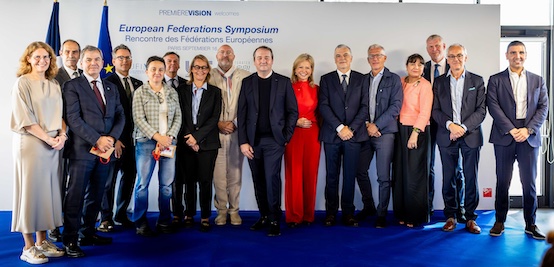
European textile and clothing federations mobilize against ultra-fast fashion

On the occasion of the Première Vision trade fair in Villepinte, the leading European textile and clothing federations issued a solemn call for urgent action against the rapid rise of ultra fast fashion. This model, driven by major non-European e-commerce platforms, already accounted for 4.5 billion imported parcels in the European Union in 2024—representing 5% of clothing sales (20% online)—and continues to grow at a staggering pace.

#Associations

Joint statement by EURATEX and Danish Fashion and Textiles

EURATEX and its Danish member Dansk Mode & Textil are calling upon the Danish Presidency of the EU to bring back stability and transparency to the European agenda. These last few months we have seen major upheavals and turbulence in global markets, as well as uncertainty surrounding a number of regulatory initiatives. All this creates a climate of uncertainty for European industry and anxiety with the consumers. As a result, demand for textile and garments is low, and entrepreneurs are hesitant to make any further investment decisions.

More News on Associations

#Associations

Joint Statement: Urgent clarification needed on scope of Textiles EPR for PPE and Medical Devices

EDANA, the voice of nonwovens, alongside fellow industry associations CIRFS (European Man-Made Fibres Association), EURATEX (The European Apparel and Textile Confederation), ESF (European Safety Federation), and EuroCommerce (Retail & Wholesale), has issued a joint statement raising critical concerns regarding the transposition of Directive (EU) 2025/1892, the targeted revision of the Waste Framework Directive.

#Associations

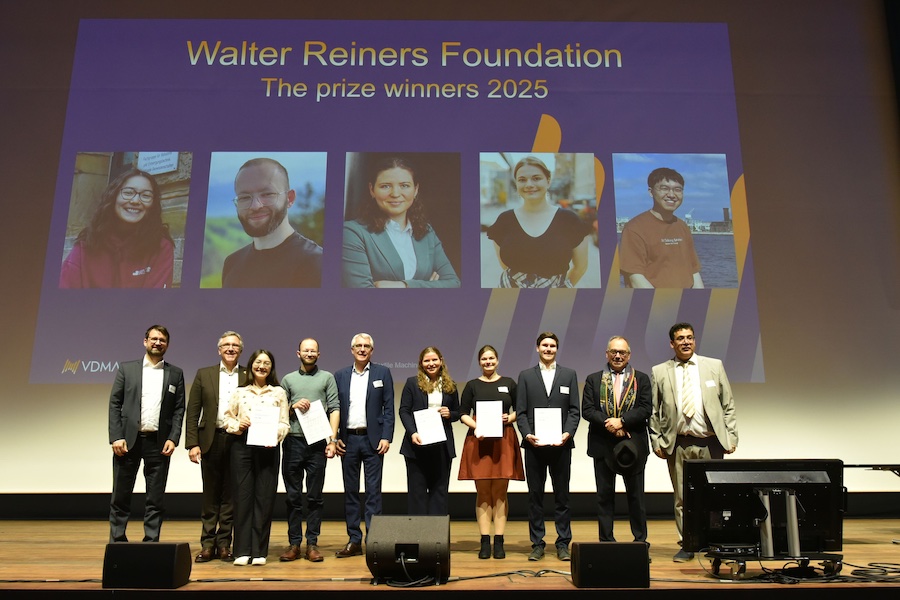
Young researchers recognised for cutting-edge work in recycling, fibre technology and textile mechanics

At the Aachen-Dresden-Denkendorf International Textile Conference held in Aachen at the end of November, Peter D. Dornier, Chairman of the Walter Reiners Foundation of the VDMA, honoured five successful young engineers. Promotion and sustainability prizes were awarded in the categories bachelor/project theses and diploma/master theses. Academic theses that develop solutions for resource-saving products and technologies, for example, are eligible for the sustainability awards.

#Natural Fibers

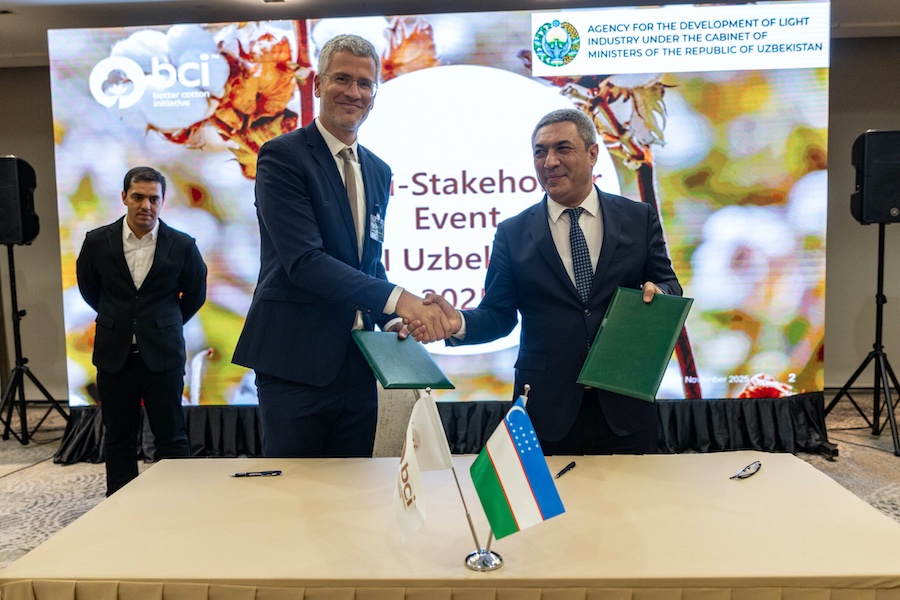
Better Cotton Initiative partners with Uzbek government agency to offset certification costs

The Better Cotton Initiative (BCI) has today announced a strategic agreement with Uzbekistan’s Light Industry Agency to increase financial support for cotton farming clusters adopting sustainable agricultural practices.

#India ITME 2026

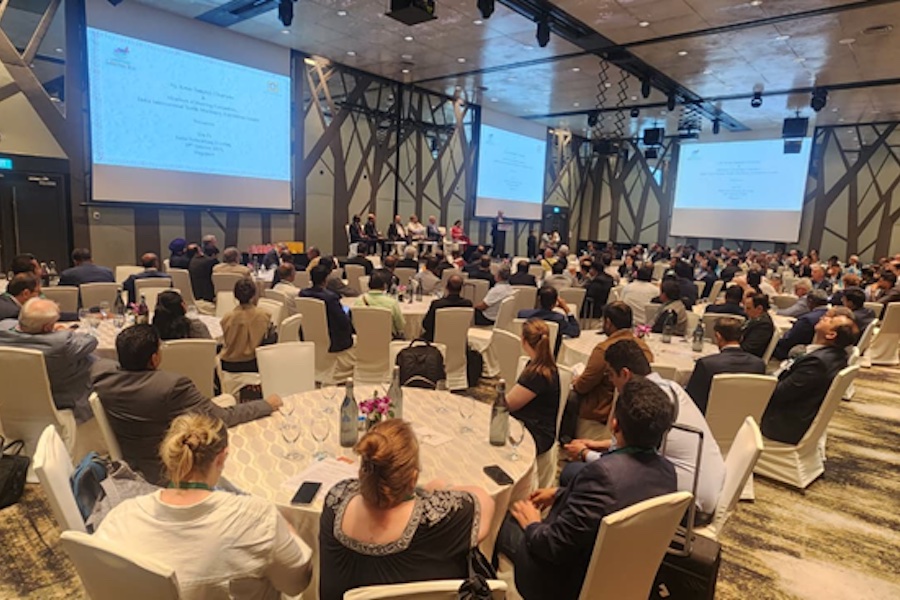
India ITME Society pushes trade & technology alliances in Singapore

India ITME Society hosted India Networking Program - Fabricating the Future of Textile Industry- From Heritage to High-Tech” on 29th October 2025 at Singapore an exclusive gathering of Ministry of Textile Officials, Embassy Officials, Entrepreneurs, Technocrats, Industry Organizations and Media Personnel's designed to foster collaboration, exchange ideas and explore opportunities in the Indian Textile & Textile Engineering Sector.

Latest News

#Spinning

First PA66 spinning plant with EvoQuench successfully commissioned

With the successful commissioning of a multi-digit PA66 spinning line for microfiber yarns, Chinese textile company Shandong Nanshan Fashion Technology Co., Ltd. has added yarn production to its textile value chain.

#Knitting & Hosiery

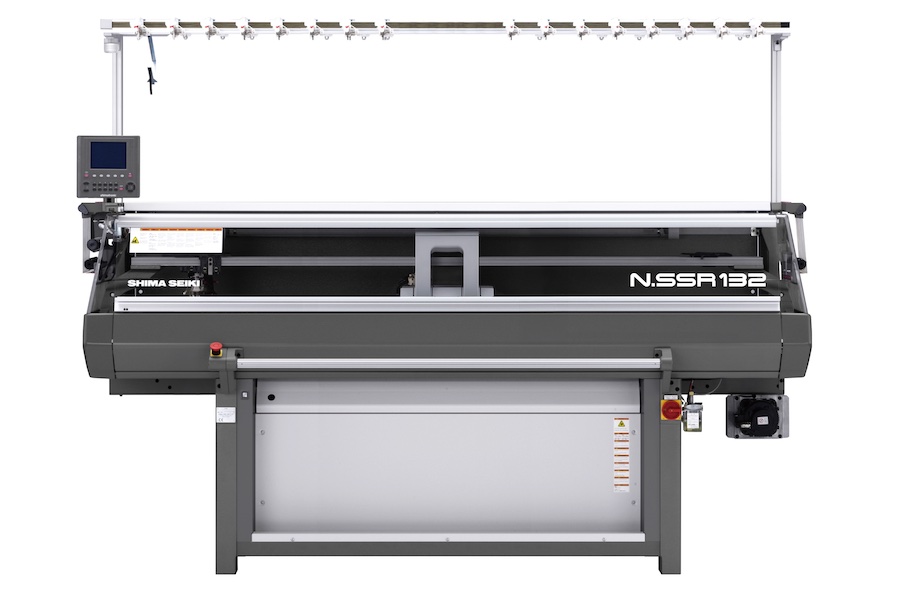
SHIMA SEIKI returns to ShanghaiTex

Leading flat knitting solutions provider SHIMA SEIKI MFG., LTD. of Wakayama, Japan, together with its Hong Kong and Chinese market subsidiary SHIMA SEIKI (HONG KONG) LTD., will exhibit at the ShanghaiTex 2025 exhibition (Booth No.: Hall N3, Booth A20) held in Shanghai, China this month. This marks the return of SHIMA SEIKI to ShanghaiTex after a 14-year hiatus, its last exhibit at the show having been in 2011.

#Research & Development

Fraunhofer CCPE presents the “Monomaterial Design Set” – Innovative solutions for circular product design

Composite materials made from different types of plastic often extend the lifetime of products but make recycling more difficult in the circular economy. That is why Fraunhofer CCPE has developed the “Monomaterial Design Set”. This new approach helps to reduce the variety of plastics used in durable products and offers circular solutions for designers and product developers.

#Man-Made Fibers

arena introduces renewable LYCRA® EcoMade fiber in its latest swimwear collection

Italian swimwear specialist arena has unveiled a new collection that brings sustainability and performance even closer together. Launched on December 4, the line features swimsuits made from recycled nylon and renewable LYCRA® EcoMade fiber — the first time the bio-based spandex has been used commercially in swimwear.

TOP