[pageLogInLogOut]

#Sustainability

RadiciGroup at Phygital Sustainability Expo in Rome

RadiciGroup participated in the third edition of PHYGITAL SUSTAINABILITY EXPO, which took place on 11 and 12 July in Rome. The event was focused on the ecological transition of fashion and design brands through technological innovation.

Commitment for a sustainable fashion industry 

During the “narrated fashion show”, at the archaeological site of the Museo Dei Fori Imperiali, two sustainable garments by RadiciGroup were shown: the first completely recyclable ski suit made with recycled nylon and the Yamamay swimsuit made with polyester yarn obtained from recycling of plastic bottles.

© 2022 Radici Group
© 2022 Radici Group


The circular ski suit is the result of the collaboration between two Bergamo-based, best-in class companies such as RadiciGroup and DKB (a company specializing in technical sportswear). It is made of Renycle®, a yarn produced by RadiciGroup derived from the recycling of polyamide (nylon), which allows significant savings in terms of energy use, CO2 emissions and water consumption. The padding and the numerous accessories of the ski suit are also made of polyamide: the end result is an almost mono-material garment that significantly facilitates end-of-life recycling. It can be more easily converted into polymers for use in the manufacture of ski boot components and bindings, in addition to applications in the automotive and furnishing industries, or in any other sector requiring the characteristics of high performance polyamides. The suit, consisting of jacket and trousers, is thus an all-round application of eco-design and circular economy principles to fashion and garment making.

Currently the suit is used by the athletes of RadiciGroup Ski Club, but the model will be part of the new DKB collection, available starting from winter 2022 in sports shops.

Yamamay chose the sustainable polyester yarn Repetable® by RadiciGroup, for its new green beachwear proposal, with the aim of combining beauty and sustainability. Repetable is an innovative polyester yarn obtained through a process of recycling plastic bottles. Compared to virgin polyester, Repetable allows lower CO2 emissions (-45%), lower water consumption (-90%) and lower energy consumption (-60%), while guaranteeing high performance. The new line “Edit” by Yamamay, which includes the swimsuit made with Repetable, has already been on the market since the end of last May.


The participation of RadiciGroup in the PHYGITAL SUSTAINABILITY EXPO represents further confirmation of the Group commitment to creating a fashion industry that is increasingly respectful of the environment, thanks to the involvement of all the players in the supply chain, which are most sensitive to sustainability.

© 2022 Radici Group
© 2022 Radici Group


More News from Radici Partecipazioni SpA

#Recycled_Fibers

Recycling mixed-fibre garments becomes a reality: RadiciGroup, The LYCRA Company and Triumph take circular fashion a step forward

The process, which is both economically and environmentally sustainable, has enabled the production of an underwear set made from 100% recycled nylon and LYCRA® fibre in a closed-loop system.

#Sustainability

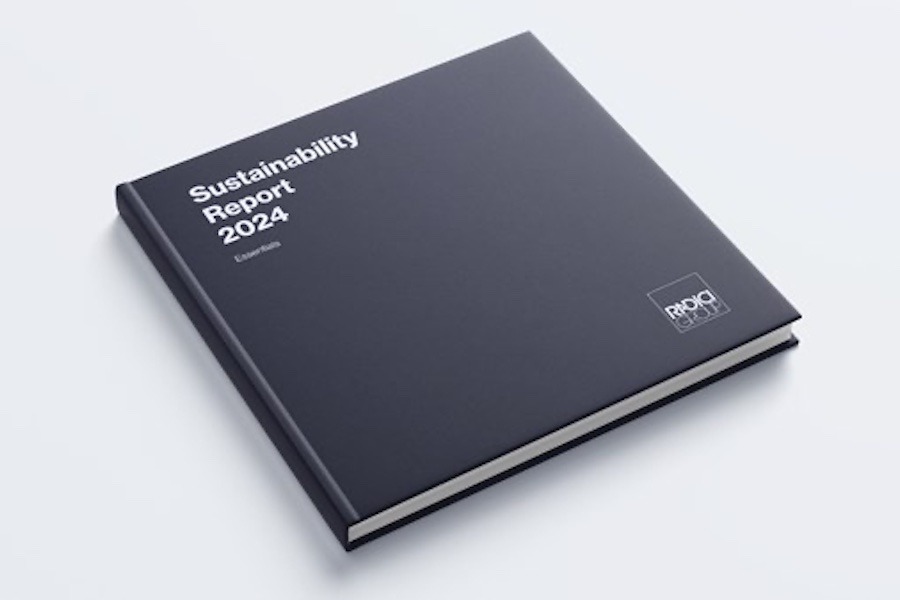
RadiciGroup: 21st Sustainability Report published

RadiciGroup has published its 21st Sustainability Report, covering the year 2024, confirming more than two decades of transparency and measurement in the economic, environmental, and social dimensions. From its first Social Report in 2004 to the current reporting aligned with the GRI Universal Standards, the Group is now preparing for its next challenge: the adoption of the criteria that will be set out by the Corporate Sustainability Reporting Directive (CSRD).

#Recycling / Circular Economy

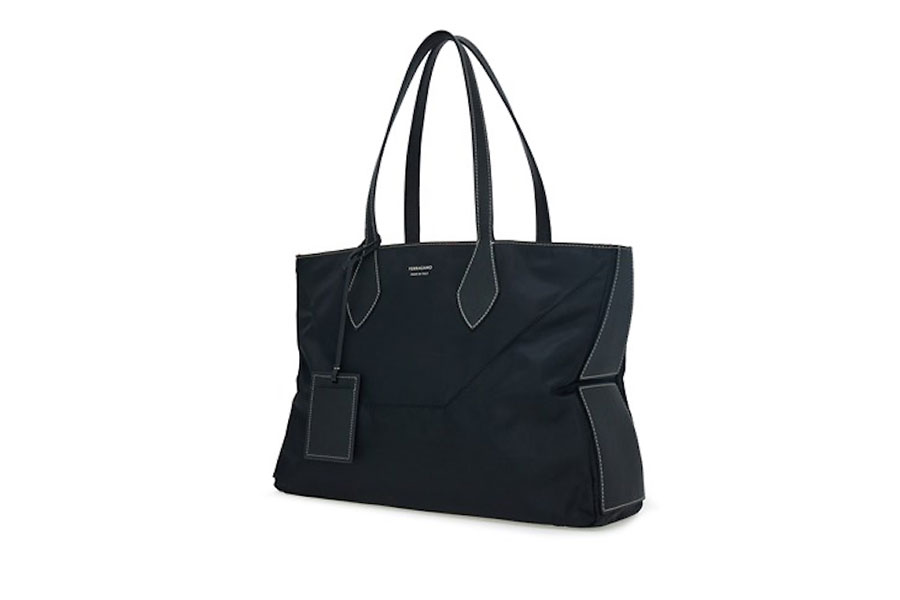
RadiciGroup and Ferragamo team up for an eco-design project under the Monitor for Circular Fashion initiative

RadiciGroup, a leading player in sustainable textile solutions, has partnered with Ferragamo to develop “Nova – The evolution of a Star”, an eco-design project that reimagines one of the Maison’s iconic handbags through the lens of circularity.

#Yarn & Fiber

Twenty years of Sustainability Report for RadiciGroup

The RadiciGroup Sustainability Report reaches an important milestone this year: twenty years have in fact passed since the Group published its first Social Report in 2004, qualifying it as one of the pioneering companies in the realisation of voluntary non-financial reporting. The document measures the Group’s achievements and the actions it has taken to reduce its environmental impact, respect social values, and implement good business management practices.

More News on Sustainability

#Sustainability

Ying McGuire becomes new CEO of Cascale

Cascale today announced the appointment of Ying McGuire as Chief Executive Officer, effective June 1, 2026.

#Sustainability

VAUDE eliminates PFAS from all products

PFAS (per- and polyfluoroalkyl substances) are now detectable worldwide – in drinking water, soil and the human body. These so-called “forever chemicals” are considered hazardous to health and potentially carcinogenic, as they do not break down and remain in the environment permanently. Despite these risks, PFAS are still used in a wide range of products. More than 15 years ago, VAUDE made a strategic decision to gradually eliminate PFAS from all product categories.

#Sustainability

OEKO-TEX® chooses TextileGenesis to advance digital traceability for organic cotton

OEKO-TEX® today announced a full collaboration with TextileGenesis, a Lectra company, to digitally trace and authenticate organic cotton, strengthening fraud prevention across the supply chain. This announcement follows a successful pilot and brings together OEKO-TEX®’s certification expertise and closed testing system with TextileGenesis’ digital traceability platform to deliver a secure, end-to-end solution for managing certified organic cotton flows.

#Europe

ICAC to support European Commission on pending PEF legislation

The International Cotton Advisory Committee (ICAC) is proud to announce that it has been included as a member of the European Commission’s Technical Advisory Board (TAB) on the Product Environmental Footprint methodology. The Commission developed the Product Environmental Footprint (PEF) to assess and communicate the life cycle environmental performance of products and organizations.

Latest News

#Technical Textiles

Sustainable, lightweight, and sound absorbing: Polyester-based front trunk solution for BEVs

As car manufacturers look to further reduce their carbon footprint, Autoneum has developed an innovative front trunk solution for battery electric vehicles (BEVs), made entirely from polyester-based textile. The Ultra-Silent Frunk offers significant weight reduction, improved acoustic and thermal insulation, and uses up to 70 percent recycled material, supporting sustainable and efficient vehicle design. Autoneum, global technology leader in acoustic and thermal management for vehicles, has already received orders for the new frunk from three major OEMs in Asia and Europe to be built in three BEV models. Series production for two BEVs has been underway in China and Germany since last year.

#Raw Materials

Modern testing methods for raw cotton

The 38th International Cotton Conference Bremen will take place from 25 to 27 March 2026 at the Bremen Parliament. This conference has traditionally stood for in-depth expertise and international exchange. The program will focus on technical innovations, market trends, and regulatory frameworks across the entire value chain – from agriculture to the circular economy. With high-profile speakers, the conference is regarded as the key meeting point for the global cotton industry. Today’s focus: Cotton quality and testing methods.

#Spinning

Rieter responds to higher raw material prices

Global political and economic developments have been leading to rising raw material and energy costs for some time. The textile machinery industry is also affected by this trend. Rieter machines and components consist to a large extent of steel, copper, aluminum and electronics. These materials in particular have seen higher demand and higher prices in recent months.

#Weaving

Stäubli demonstrates how innovation translates into real benefits for weaving mills at SITEX 2026

One of India’s most prominent textile industry events, SITEX 2026, is held from February 21 to 23 in Surat. Committed to empowering Indian weaving mills with state‑of‑the‑art solutions tailored to regional needs, Stäubli will present a selection of solutions designed for performance, reliability, and power efficiency. Through its weaving preparation, cam and dobby shedding solutions and Jacquard technologies, Stäubli highlights its global expertise tailored to the specific needs of the local market.

TOP