[pageLogInLogOut]

#Textiles & Apparel / Garment

MUNICH FABRIC START with new SOURCING Area in a contemporary club atmosphere

(c) 2019 Munich Fabric Start
The die is cast. The SOURCING Area will be launched as part of MUNICH FABRIC START from 3 to 5 September 2019 at the then newly opened Business Club Munich right across the street from the MOC.

This ensures the immediate connection between an appropriately sized, stand-alone area for the growing demand for SOURCING Services and MUNICH FABRIC START and BLUEZONE.

This pooling of a both condensed and yet broad portfolio is a decisive step for the strategic focus of the trade fair at destination Munich.

A high-quality listed factory building dating back to 1926 and reviving an industrial Bauhaus style after high-quality refurbishment, the venue – Business Club Munich – is the ideal setting for re-organising the SOURCING Area.

A selection of approx. 70 international apparel manufacturers and producers will present their services for the segments Women and Men, for Accessories, Corporate, Couture and Tailored in the new Hall 8.

‘With the new SOURCING Concept Area we focalise a type of co-working space for company and product presentations. The idea underlying this new format is to create a both invigorating and efficient setting for realising unique communication and a working environment in a zeitgeist-inspiring, high-end setting. We will surprise exhibitors and visitors alike with a completely new format.’Sebastian Klinder, Managing Director MUNICH FABRIC START


(c) 2019 Munich Fabric Start

The contemporary ambience of this venue is rounded off by an extraordinary infrastructure. Ideal preconditions for extending MUNICH FABRIC START’s existing segments to include a high-profile SOURCING Area – enabling us to put internationally established brands in touch with prime apparel producers thereby consistently mapping the complete textile value chain.

The next MUNICH FABRIC START will be held from 3 to 5 September 2019.

BLUEZONE runs on 3 and 4 September 2019.

More News from TEXDATA International

#India ITME 2026

India’s textile industry: Current position, growth targets and industrial development

With ambitious export targets, major investments in manufacturing infrastructure and new international trade agreements, India is pursuing a comprehensive development strategy for its textile and apparel industry. An overview of the industry’s current position, government initiatives, progress achieved and challenges ahead.

#India ITME 2026

India ITME 2026: Textile technology meets India's investment ambitions

With ambitious growth targets, government incentive programmes and industrial development initiatives already underway, India is preparing for the next stage of its textile transformation. Against this backdrop, the 12th India ITME, taking place in Greater Noida from 4 to 9 December 2026, arrives at a particularly important moment for machinery manufacturers and textile producers alike.

#Digital Printing

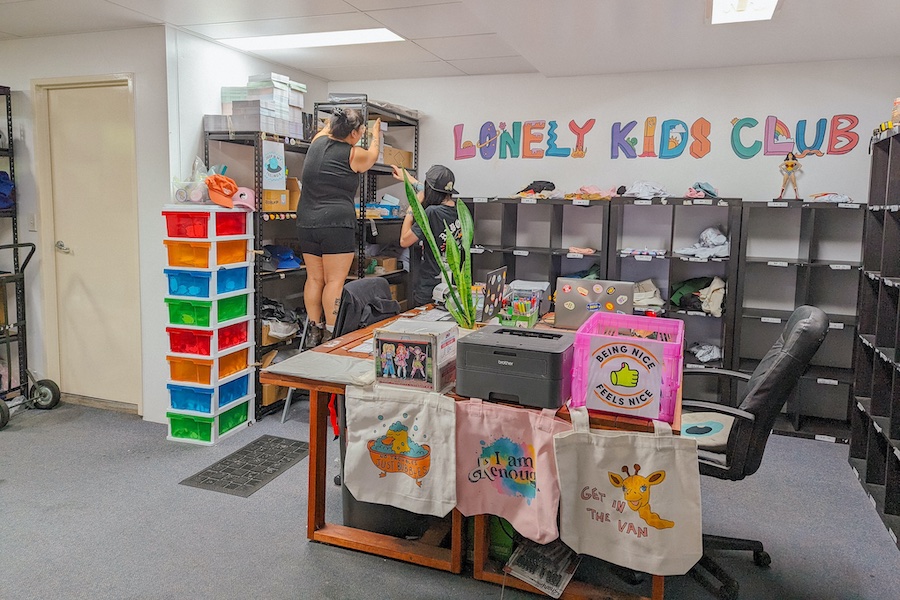
From a bedroom startup to 3,000 designs: How Lonely Kids Club built its business with DTG printing

Founded in Sydney in 2011, independent clothing label Lonely Kids Club has grown from a bedroom startup into a business offering around 3,000 graphic T-shirt designs. With its own production studio, direct-to-garment printing and a demand-driven manufacturing model, the company demonstrates how smaller apparel brands can combine creative independence with flexible production – while navigating the everyday challenges of quality control, workflow efficiency and sustainability.

#Weaving

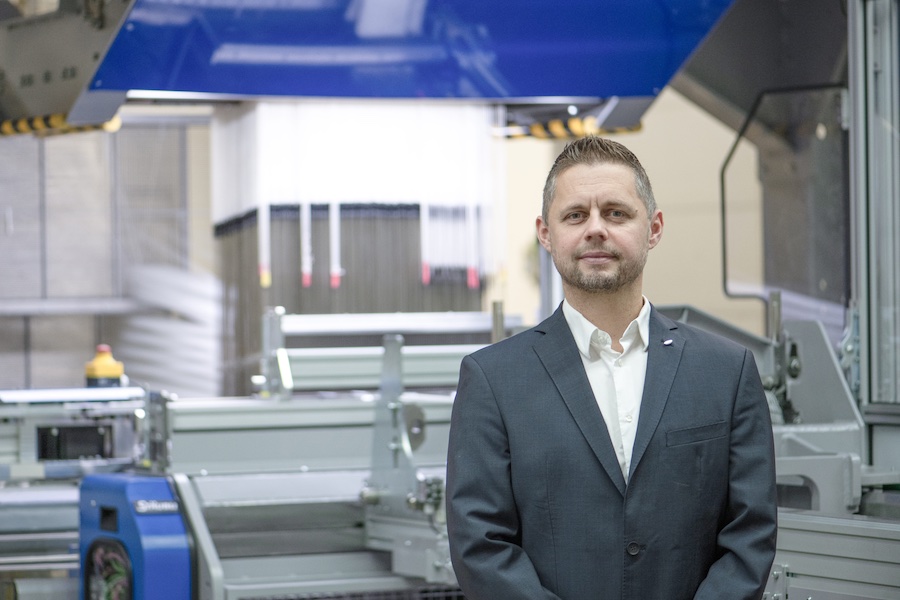
“A complex design is only useful if the machine can reproduce it consistently”

Andreas Schnabel, Head of R&D for Technical Weaving Systems at Stäubli, discusses how 3D weaving can create textile reinforcements tailored to the loads within a composite component, where near-net-shape weaving can reduce processing steps and material waste, and what it takes to produce complex structures reliably and economically. He also explains how manufacturers can adapt Stäubli’s modular TF weaving platforms to new applications and how the company’s centre of excellence in Bayreuth supports the transition from research to industrial production.

More News on Textiles & Apparel / Garment

#Sustainability

Fashion for Good launches Project Footprints Unpacked to close environmental data gaps in the footwear industry

Fashion for Good has launched Project Footprints Unpacked, a joint effort with Carbonfact, New Balance, On and two other brands. The project aims to transform primary data from suppliers into ISO-compliant life cycle assessment (LCA) datasets to guide robust reporting and scalable decarbonisation decisions in the footwear value chain.

#Industry 4.0 / Digitalization

Smartex.ai names Tony Fadell chairman and previews new fabric inspection system

Smartex.ai has appointed Tony Fadell as chairman and will present its new fabric inspection hardware and software at SmartCollab Hong Kong on 27 November. Fadell co-designed Inspect, the hardware at the centre of the system, which Smartex developed with a supplier in H&M Group’s network.

#Sustainability

Cascale adds more than 20 material options to the Higg MSI

Cascale announced version 3.13 of the Higg Material Sustainability Index (Higg MSI) on 12 November 2026. The update adds more than 20 material options from 10 data contributors and revises more than 20 existing datasets. It has been available on the Worldly platform since 11 November.

#Raw Materials

Live The Process and Cotton Incorporated open Club Cotton in New York

Activewear and lifestyle brand Live The Process has partnered with Cotton Incorporated to open Club Cotton, a two-month retail and cultural pop-up at 30 Bond Street in New York City. Opening on 19 November 2026, the space explores cotton’s journey from field to fabric and its use in activewear through fashion, contemporary art, movement and natural dye workshops.

Latest News

#Knitting & Hosiery

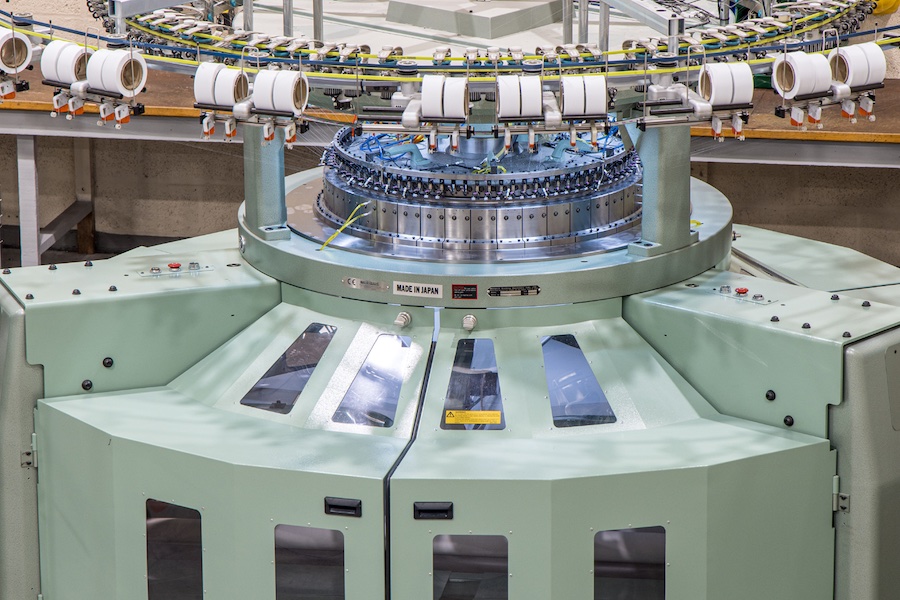
Monarch extends its Woven Look knitting technology from mattress ticking to apparel and performance textiles

A fabric technology originally developed to reproduce the appearance of woven mattress ticking by Monarch Knitting Machinery, a member of the British Textile Machinery Association (BTMA), is finding new applications in apparel. With the introduction of its 36-gauge OD5B-M-7ED44 double-knit machine, Monarch is expanding the possibilities for producing fine knitted structures that closely resemble woven textiles while retaining the stretch and comfort associated with knitting.

#Recycling / Circular Economy

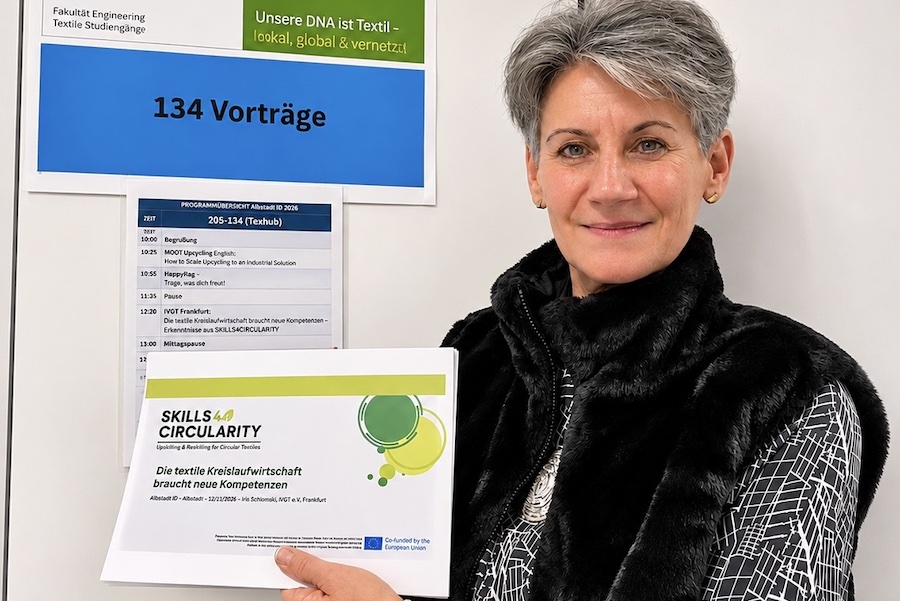
IVGT presents initial findings from the Erasmus+ project Skills4Circularity

At Albstadt ID 2026, hosted by Albstadt-Sigmaringen University of Applied Sciences, IVGT project manager Iris Schlomski presented initial findings from Skills4Circularity on 12 November 2026. She opened her presentation with an estimate from the European Environment Agency: the EU generated around seven million tonnes of textile waste in 2022. The Erasmus+ project brings together 21 partners from twelve countries to identify the skills textile and clothing professionals need to design more durable products, use fewer resources in production and recover fibres after use.

#India ITME 2026

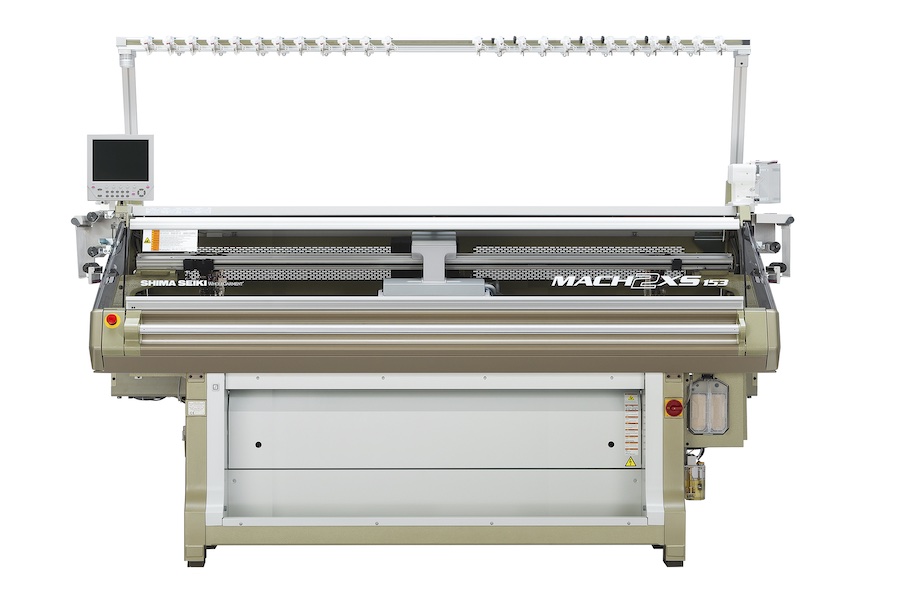
SHIMA SEIKI connects knitting innovation, digital product development and automated cutting at India ITME 2026

Japanese textile machinery and technology specialist SHIMA SEIKI MFG., LTD. will present a comprehensive portfolio of advanced knitting, digital design and automatic cutting solutions at India ITME 2026 in Greater Noida from 4 to 9 December. At Hall 14, Booth D1, the company will showcase its latest WHOLEGARMENT® and shaped knitting technologies, digital product development solutions and the Indian premiere of its new P-CAM® R multi-ply automatic cutting machine, designed for a wide variety of industries beyond fashion apparel.

#Raw Materials

Cotton Brazil calls for balanced textile sustainability regulations and stronger international cooperation

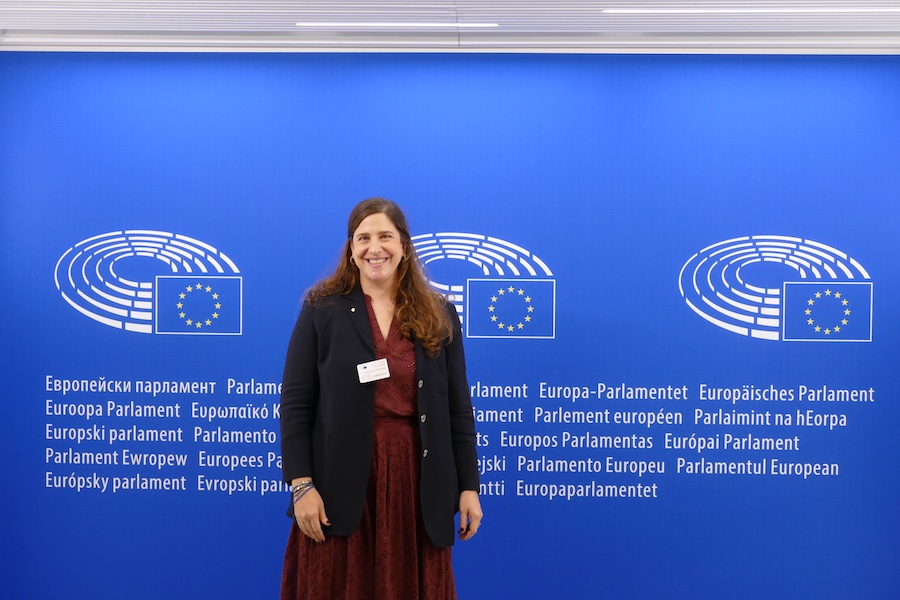
Cotton Brazil has concluded its strategic agenda in Brussels, Belgium, reinforcing the importance of recognising natural fibres in European sustainability policies and expanding exchanges with policymakers, agricultural attachés and representatives of cotton-producing countries. Discussions at the European Parliament highlighted the need for balanced textile sustainability regulations, while meetings with cotton-producing countries opened opportunities for international cooperation.

TOP