[pageLogInLogOut]

#Sustainability

Cascale and BGMEA announce collaboration for supply chain transformation

Cascale, the global nonprofit alliance formerly known as the Sustainable Apparel Coalition, and the Bangladesh Garment Manufacturers and Exporters Association (BGMEA) have signed a Memorandum of Understanding (MoU) aimed at advancing sustainability and promoting environmental and socially responsible practices within the apparel sector. This announcement took place during Cascale’s Annual Meeting in Munich, where 600 consumer goods industry leaders united to accelerate climate action and catalyze impact at scale through a unified approach to sustainability.
Miran Ali and Colin Browne shaking hands on stage at the Cascale Annual Meeting 2024 © 2024 Cascale


Cascale, formerly the Sustainable Apparel Coalition, and the Bangladesh Garment Manufacturers and Exporters Association (BGMEA) commit to collaborative work to drive sustainable practices in the consumer goods industry

After an inspirational keynote address given by Miran Ali, BGMEA vice president, Cascale CEO Colin Browne joined him on stage to sign the MoU, cementing both organizations’ commitment to collectively drive positive transformation throughout the supply chain.

This joint effort between BGMEA, one of the largest trade organizations representing export-oriented garment manufacturers in Bangladesh, and Cascale, which unites over 300 members worldwide, marks a significant step forward in the global effort to transform the industry into one that is both equitable and sustainable.

“Global cooperation is crucial for the apparel industry, and we are proud to collaborate with Cascale in Bangladesh,” Ali said. “For too long, we have all been lost trying to find complicated answers when we really know the priorities are simple and clear.”

“Now more than ever, our commitment to sustainable practices must guide our actions,” Browne said. “It is essential that we work to reduce the burden on manufacturers while fostering greater transparency and collaboration across the supply chain. This collaboration with BGMEA is an important step in aligning the industry and transitioning toward more carbon-neutral, environmentally and socially responsible practices.”

Opportunities provided through the collaboration include Cascale and BGMEA working together to harmonize data sharing and to promote evaluation assessments, such as Cascale’s Higg Index tools, to reduce the number of social and environmental assessments, standardizing protocols for voluntary social and technical audits, thus aiming to promote transparency and minimize the burden on manufacturers and workers worldwide. Additionally, the two organizations will explore aligning impact programs to drive industry-wide decarbonization in line with internationally recognized targets and to collaborate on advocacy efforts to amplify manufacturers’ voices and perspectives in legislative initiatives, measures, and policy.

The announcement comes at a critical time for Bangladesh, a key player in global apparel production and an essential partner for Cascale’s valued members and affiliates. As the country faces significant instability, posing substantial challenges to its citizens and industries, the collaboration between Cascale and BGMEA is both timely and crucial. This collaboration underscores the importance of continued support to the Bangladesh apparel industry, which is a lifeline for millions of workers and their communities. By prioritizing human rights, responsible business practices, and decarbonization efforts, Cascale and BGMEA are committed to helping the industry navigate this period of transition and beyond, ensuring its long-term sustainability while aiming to safeguard the livelihoods and landscapes of those who depend on it.

On August 20, Cascale joined organizations representing 3,000 international brands, retailers, suppliers, and workers in global supply chains and signed a joint statement coordinated by the Ethical Trading Initiative, which urged companies operating and sourcing from Bangladesh to conduct business responsibly. Earlier in the month, Cascale published a statement calling for brands sourcing or engaging in Bangladesh to engage proactively to promote decent work for all, one of Cascale’s core impact pillars. Cascale cited the increased importance of best practices and resources provided by its affiliate members, partners, and key stakeholders, including the Common Framework for Responsible Purchasing Practices and Fair Wear’s continued guidance.

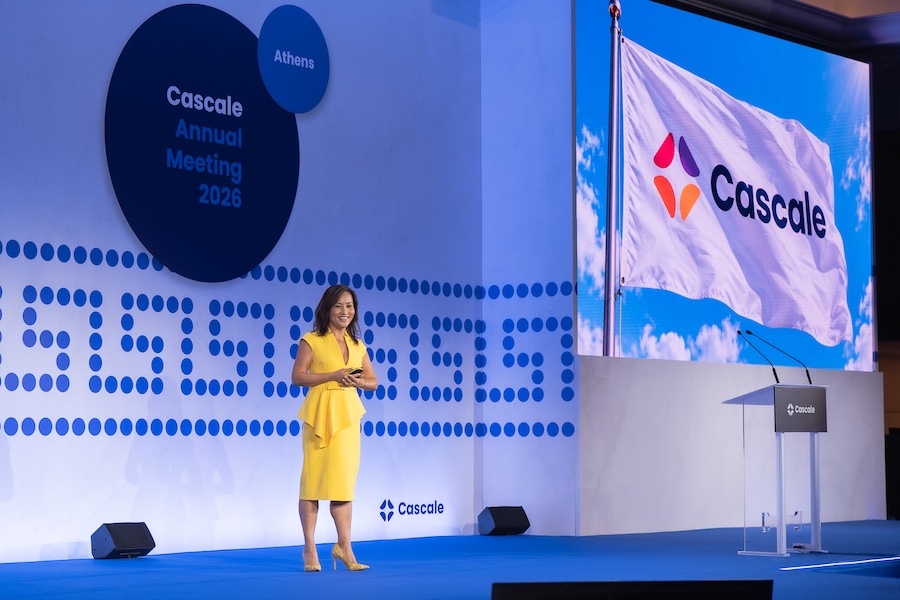
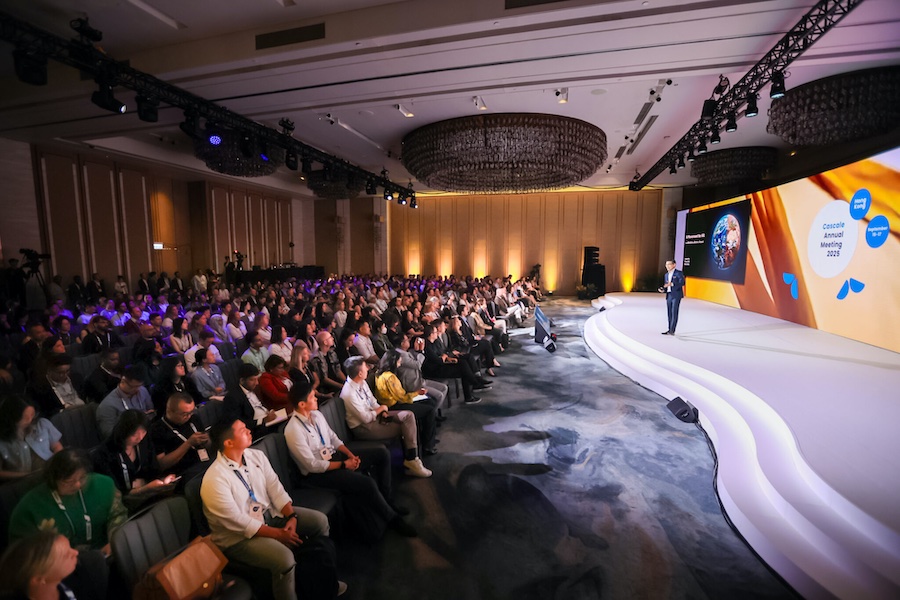
The MoU signing took place at the first Annual Meeting since Cascale – previously the Sustainable Apparel Coalition – rebranded in February 2024, and it marks a major milestone in the organization’s evolution. Themed “A New Era of Unified Impact,” the event unites over 600 attendees from around the world, who will hear from more than 80 global industry experts. To learn more and view the program for Cascale’s Annual Meeting 2024, sponsored by Nike, VF Corporation, Zalando, Sympatex, Lululemon, TÜV Rheinland, Haelixa, TrusTrace, Puma, CottonConnect, GSCS International, IDFL, Artistic Milliners, Made2Flow and REN energy, click here.


More News from Cascale

More News on Sustainability

#Sustainability

GOTS version 8.0 released: advanced supply chain accountability, from fibre to finished product

Global Standard is pleased to announce the release of GOTS Version 8.0, the latest update to the world's leading processing standard for organic textiles. The updated Standard strengthens requirements for air emissions and waste management, as well as criteria for product safety. It introduces new provisions on circularity, microfibre management and updates in residue testing. Version 8.0 also elevates due diligence obligations and formalises governance requirements, including ESG disclosure, anti-corruption policies and conflict-of-interest safeguards, to support credible, responsible business conduct.

#Sustainability

The nova-Institute establishes new Renewable Feedstock Department to lay the groundwork for industrial defossilisation

The transition from fossil-based to renewable carbon – sourced from biomass, CO₂ utilisation and recycling – is the cornerstone of a climate-neutral chemical industry. The nova-Institute’s new department is dedicated to providing the essential data, analyses and strategic roadmaps required to secure a reliable future feedstock supply and make this transition a commercial and ecological reality.

#Sustainability

Textile Exchange unveils commitment-based pathway for members to accelerate responsible raw material production

Textile Exchange has unveiled further details about its new membership structure, designed to guide the fashion, textile, and apparel industry in a collective course of action toward preferred production systems for raw materials and fibers.

#Textile chemistry

Jeanologia urges industry to accelerate PP Spray phase-out following ZDHC Watchlist update

Potassium permanganate has officially entered the Chemical Watchlist of the ZDHC Foundation, signaling increased scrutiny and potential phase-out of one of the most hazardous chemicals still used in denim finishing. The inclusion confirms an industry shift that Jeanologia anticipated more than a decade ago.

Latest News

#Techtextil 2026

Gebr. Otto highlights versatility at Techtextil with regional supply chains, yarn innovations and new hygiene segment

At this year’s Techtextil, Gebr. Otto places its versatility at the center of its presentation. In addition to spinning, twisting and dyeing – traditionally focused on fine cotton – textile processors will also find a competent development partner for technical specialty solutions. The Dietenheim-based spinning mill has now built up a decade of experience in the production of technical yarns, particularly from aramids. A new hygiene segment has also been established, where yarns for medical and hygiene products are currently being produced. In the future, this department could also develop textile products for the food sector. Gebr. Otto will once again be present at the BW-i joint stand, booth D81, hall 12.1. What is wound onto the spool is determined by the customer: Gebr. Otto develops according to specific customer requirements and transforms its own ideas into yarn innovations.

#Europe

Commission presents proposal for EU Inc. - unlocking the full potential of the Single Market for Europe's entrepreneurs

Today, the European Commission presented its proposal for EU Inc., a new single set of corporate rules, building the cornerstone and starting point for the EU's 28th regime. EU Inc. is an optional, digital-by-default European corporate framework. It will make it easier for businesses to start, operate and grow across the EU – incentivising them to stay in Europe, and encourage those who once looked elsewhere to return.

#Man-Made Fibers

OnceMore® from Södra brings end-to-end traceability for circular Man-made Cellulosic Fibers (MMCF) using TextileGenesis

OnceMore® from Södra, the world’s first large-scale process for recycling blended fabrics into high‐quality dissolving pulp, will begin using TextileGenesis, a Lectra company, to strengthen traceability from raw material to retail across the value chain. OnceMore® produces dissolving pulp made from blended textile waste and wood sourced from responsibly managed Swedish forests. By integrating TextileGenesis, OnceMore® supports the growing need for verified data and secure, transparent tracking throughout increasingly complex supply chain.

#Spinning

Temco launches a new DTY all-in-one solution

Temco introduces the DTY All-in-One Solution – a fully harmonized set of components engineered to give customers a highly stable, low maintenance and reproducible process environment. The solution reduces interruptions, extends component lifetimes and supports consistent yarn quality across all machine positions. All-in-One Solution – a fully harmonized set of components engineered to provide maintenance and reproducible process environment.

TOP