[pageLogInLogOut]

#Sustainability

Towards a better sustainable future - Solar Energy

As one of the sustainability initiatives, Hayleys Fabric PLC., is investing Rs. 560Mn (USD 3Mn approx.) towards the generation of 4.6MWp roof top solar energy. Phase-1, which was completed a month ago is now generating 1.1MWp and is connected to the national grid. Phase-2 comprises of the remaining 3.5 MWp and is expected to be connected to the national grid by end of April 2021 & currently progressing according to the plan.

Upon the completion of the entire project, it will be the largest solar power installation on one single roof in a fabric mill. It will also provide nearly 35% of the company’s total annual requirement and will significantly improve the carbon foot print and support the ever increasing demand for power in the Country.

© 2021 Haleys Fabric


Hayleys Fabric

Established in 1993, Hayleys Fabric PLC is the pioneer in textiles manufacturing in Sri Lanka. We provide end to end solutions from design to manufacturing of fabric made out of natural and synthetic fibers. Company also has the capability of in-house printing with 16-colour printing machines, fabric brushing machines and sueding machines. Hayleys PLC, our parent company, is the oldest conglomerate in Sri Lanka with interests in diverse business operations. Hayleys Fabric PLC shares are listed on the Colombo Stock Exchange (symbol: MGT.N0000).

© 2021 Haleys Fabric


More News from TEXDATA International

#Digital Printing

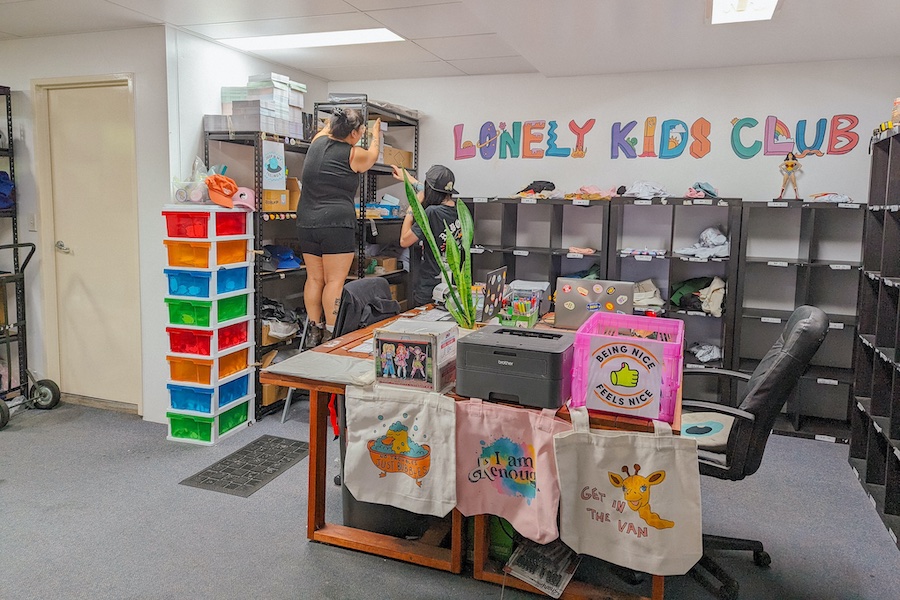
From a bedroom startup to 3,000 designs: How Lonely Kids Club built its business with DTG printing

Founded in Sydney in 2011, independent clothing label Lonely Kids Club has grown from a bedroom startup into a business offering around 3,000 graphic T-shirt designs. With its own production studio, direct-to-garment printing and a demand-driven manufacturing model, the company demonstrates how smaller apparel brands can combine creative independence with flexible production – while navigating the everyday challenges of quality control, workflow efficiency and sustainability.

#India ITME 2026

India’s textile industry: Current position, growth targets and industrial development

With ambitious export targets, major investments in manufacturing infrastructure and new international trade agreements, India is pursuing a comprehensive development strategy for its textile and apparel industry. An overview of the industry’s current position, government initiatives, progress achieved and challenges ahead.

#Weaving

“A complex design is only useful if the machine can reproduce it consistently”

Andreas Schnabel, Head of R&D for Technical Weaving Systems at Stäubli, discusses how 3D weaving can create textile reinforcements tailored to the loads within a composite component, where near-net-shape weaving can reduce processing steps and material waste, and what it takes to produce complex structures reliably and economically. He also explains how manufacturers can adapt Stäubli’s modular TF weaving platforms to new applications and how the company’s centre of excellence in Bayreuth supports the transition from research to industrial production.

#India ITME 2026

India ITME 2026: Textile technology meets India's investment ambitions

With ambitious growth targets, government incentive programmes and industrial development initiatives already underway, India is preparing for the next stage of its textile transformation. Against this backdrop, the 12th India ITME, taking place in Greater Noida from 4 to 9 December 2026, arrives at a particularly important moment for machinery manufacturers and textile producers alike.

More News on Sustainability

#Sustainability

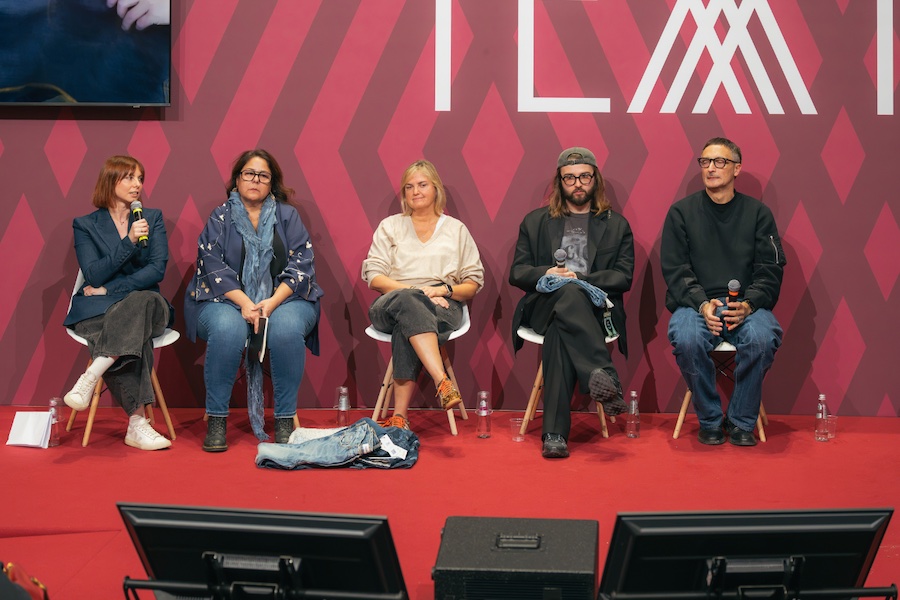
Inside the Making at Ecomondo 2026: Textile supply chain calls for transparency and measurable sustainability

Transparency, verifiable environmental claims and closer cooperation across the textile value chain were the central themes of the “Inside the Making: The Power of the Process” panel at Ecomondo 2026 in Rimini. Representatives from denim and sportswear manufacturing, textile finishing, digital printing and branding discussed how technological innovation and supply chain collaboration can help companies meet new European regulatory requirements while making sustainability economically viable.

#Recycling / Circular Economy

H&M Foundation highlights economic barriers to scaling circular textile systems

Discussions at Textile Exchange 2026 underline the need for coordinated investment, reliable material flows and a fair distribution of costs and risks across the textile recycling value chain.

#Recycled Fibers

C&A and Zalando join Altag® Fiber Club to accelerate adoption of agricultural waste-based fibres

Fashion for Good and AltMat announced today that C&A and Zalando have joined the Altag® Fiber Club as its first brand signatories, marking a critical commercial milestone in the journey to mainstream adoption of next-generation fibres derived from agricultural waste.

#Industry 4.0 / Digitalization

Jeanologia and BCome connect factory data with Life Cycle Assessment and Digital Product Passports

A new white paper by EIM by Jeanologia and BCome demonstrates how primary environmental data from denim finishing processes can be integrated into a garment's Life Cycle Assessment (LCA) and prepared for use in a Digital Product Passport (DPP). A comparative case study highlights significant improvements at the production stage while also showing how these translate into the environmental performance of the finished garment.

Latest News

#Research & Development

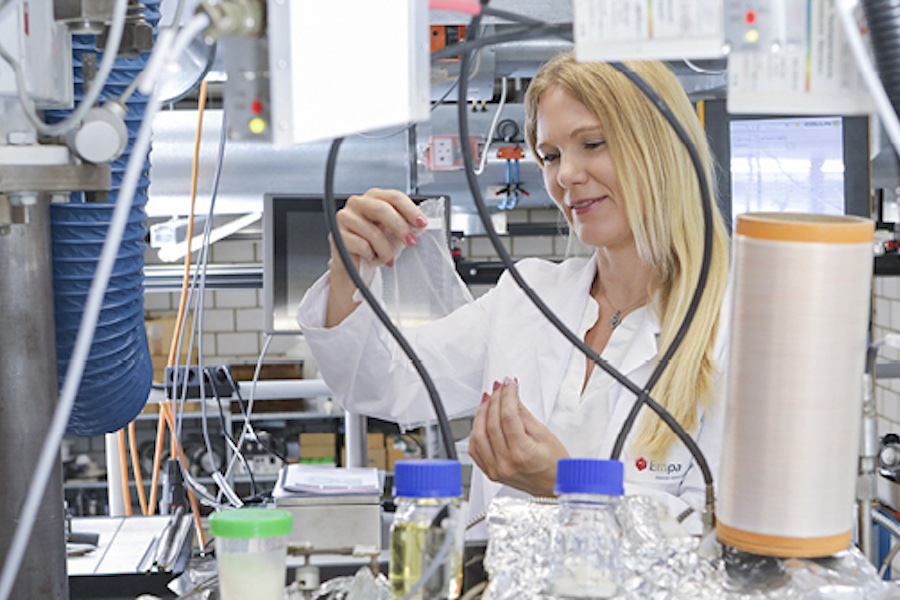
Empa develops liquid-core fibre for insecticide-treated mosquito nets

Empa researchers have developed a liquid-core fibre for mosquito nets that can incorporate insecticides unsuitable for conventional melt spinning. The fibre gradually releases the active ingredient through a polymer sheath. The team developed and tested the yarn over three years in the Innosuisse project MalCoFil with Swiss industry partners Vestergaard and Monosuisse.

#Raw Materials

Sourcing of traceable BCI cotton rises 43.5% to 33,000 tonnes

Retailers and brands sourced a record 33,000 metric tonnes of Traceable BCI Cotton over the past year, up 43.5% from 23,000 tonnes in 2024–2025, the Better Cotton Initiative (BCI) reported on 17 November 2026.

#Industry 4.0 / Digitalization

Smartex.ai names Tony Fadell chairman and previews new fabric inspection system

Smartex.ai has appointed Tony Fadell as chairman and will present its new fabric inspection hardware and software at SmartCollab Hong Kong on 27 November. Fadell co-designed Inspect, the hardware at the centre of the system, which Smartex developed with a supplier in H&M Group’s network.

#Recycled Fibers

Recover and SUPIMA partner to develop recycled Pima cotton fibers and yarns

Recover and SUPIMA have partnered to turn waste from SUPIMA cotton production into a new line of recycled fibers and yarns. The collaboration will explore how recycled American-grown Pima cotton can be used in a wider range of yarns and garments for the premium market.

TOP