#Sustainability
Ternua presents the "Latxa Artile" circular economy project
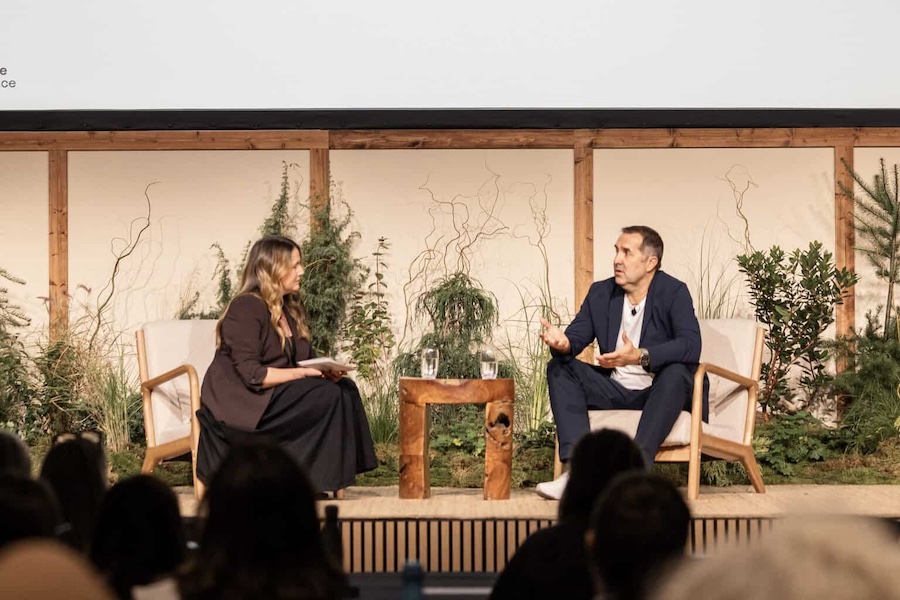
Edu Uribesalgo: “We have created Artileshell technology to highlight our commitment to innovation, the environment, and the community, looking for alternatives to reuse waste, which is also a local problem, as a raw material for clothing and to raise user awareness of the importance of an environmentally and socially responsible purchase”.
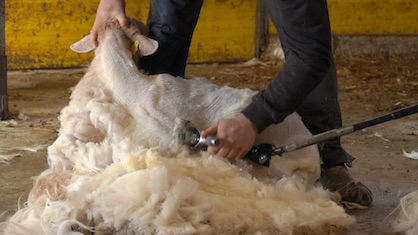
There are about 1 million Latxa sheep in the Basque Country, a symbol of the territory, the guardians of these lands. However, their wool is an environmental problem for shepherds as it has no commercial value and cannot be disposed of. What can be done with 2.5 million kg of wool a year? Ternua has transformed this waste into an opportunity in a unique circular economy project which is called "Latxa Artile" (Latxa wool in Basque). This is an initiative promoted by the brand in collaboration with the association Muturbeltz, the village Lamariako Azpikoa in Antzuola, the company Iletegia in Lapurdi, along with the support of the Department of Environment of the Provincial Government of Gipuzkoa.
The objective is to demonstrate the potential of this product to be reintroduced into the market as thermal insulation for high quality jackets. The project aims to provide value to the wool from the Latxa sheep farms at the environmental, economic, and cultural levels. The launch of this initiative is intended to provide a stable outlet for the continuous volume of wool with these characteristics and to create a circular economy market that involves the entire value chain.
The rise of synthetic fibres in the textile sector and the hegemony of Merina sheep wool as a first-layer material have made Latxa sheep wool, a product that has been historically valuable and which as sustained the economy of small Basque villages, practically irrelevant, turning the fleece of the sheared herd into an environmental problem. These sheep have been converted to dairy use, and their wool has become rougher, harsher, and harder to work with. Currently, the raw wool produced by these herds has become difficult to manage waste resulting in expenses for both production and administration.
According to data from Iletegia, a company based in the French Basque Country specialized in the processing of wool, there is an average of 2.5 kg of wool per sheep; 2000 tons for the entire Basque Country. “Its processing to create an insulating layer is very complicated. We have attempted for years for the wool processing industries in France to create something with our Laxta wool, but the response is always negative due to its morphology and roughness. This is the reason we've taken on the challenge and have purchased our own machines, which we have adjusted and modified to achieve what we were told was impossible”, says Aña Andiazabal and Aitor Zubillaga, from the company based in Sara.
The Environmental Delegate, José Ignacio Asensio, explained in a press conference that "with fewer and fewer resources available, it is necessary for the industry to change its processes and place sustainability and the fight against climate change at the head of its business models. In short, we must start creating fashion with a positive impact on the planet.” Asensio noted that “Latxa Artile is the best example of collaboration between the government, the commodities sector, and the industry. Thanks to this project, high-performance clothing acquires a dimension of co-responsibility and a boost for circular economy and the regional economy”.
For the development of the project, the village of Lamariano sottikoa, located in Antzuola, has been selected, which is dedicated to the raising of Latxa sheep and to the development of a wide range of organic cheeses under the Ama-txo brand. Txomin Alberdi and Amaia Laskurain are the two young individuals who administer this village: “We are very happy to participate in this initiative as it is a boost for our sector and a support for our project. We are very excited that the wool from our sheep will be part of the products of Ternua, a brand that shares our values of respect and protection of nature, highlighting a unique, quality, natural raw material, as is the wool of the Latxa sheep."
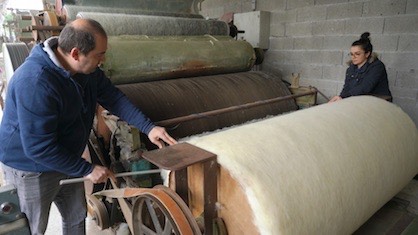
Since 2009, Ternua has been carrying out R&D testing for the use of this raw material, as it has some very interesting technical characteristics. This wool has many properties: antibacterial, thermal insulation, thermoregulatory, air retention, and it functions well when wet and as a flame retardant, etc. The sheep are professionally sheared with each fleece cut as one piece so as not to break the fibres and to maintain all the properties of the wool intact. In order to achieve a viable production process, it has the experience of Muturbeltz, an agroecological, artistic, and cultural association located in Carranza, aimed at promoting Carranza sheep and the occupation of shepherd, which will help Ternua in the selection of wool to obtain the ideal quality for subsequent development of the textile, which will be created by the company specialized in the manufacture of Iletegia wool. The resulting insulation will be sent to Ternua for the jacket design process. Sustainability criteria will be used when choosing these fabrics, prioritizing the use of recycled and recyclable monomaterials.
Also, to be taken into account is the ease of the jackets for repair, and disassembly for recycling once they reach the end of their useful life.
The solution proposed by Latxa Artile will reduce the amount of waste while adding value to a by-product that has a high potential for use. In addition, use for thermal insulation from a regional product will reduce the environmental impact resulting from the import of technical materials for the jackets. The use of a biodegradable and easily generated material such as sheep's wool will become an alternative to the use of oil-based insulating materials with their associated environmental impact during extraction (GHG emissions, water and soil pollution, etc.) and manufacture, since they require the use of chemicals.
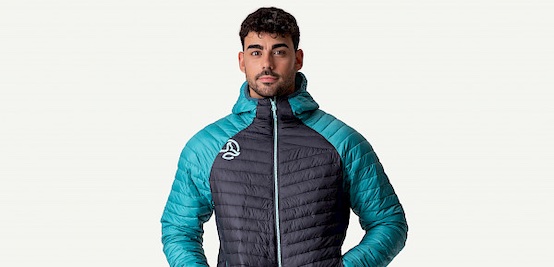
The first jackets designed by the firm with this new technology "Artileshell", which will be called ARTILE JACKET, will be part of the autumn-winter collection 2020-2021 of Ternua and will be in stores in October with an approximate retail price of €229.95. Each jacket will have 400 grams of wool. Following its roadmap, Ternua has implemented sustainability criteria when choosing the fabrics of this garment. Specifically, it has designed a jacket that protects against wind and rain using recycled fabrics (outer fabric from recycled post-consumption plastic bottles, biodegradable membrane made from corn sugar, and inner fabric made from recycled post-consumption plastic bottles). It is a light and thermal jacket, due to the natural ecological wool filling, and is treated with a toxic-free water repellent (free of PFCs). To explain the Latxa Artile project cycle, Ternua has included a special printed tag inside the jacket that describes the steps taken for its manufacture. The jackets will also be marketed internationally.