[pageLogInLogOut]
USTER Think Quality

#Spinning

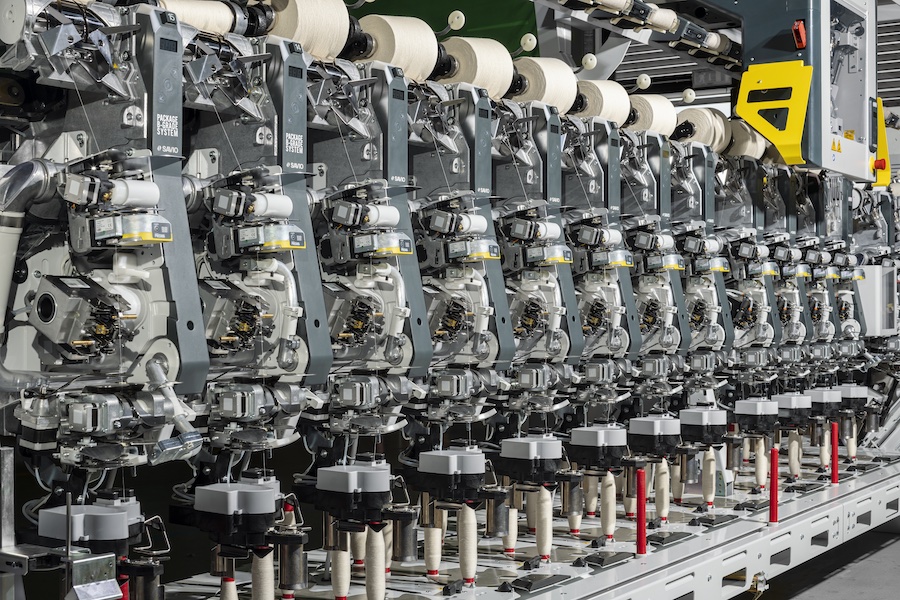
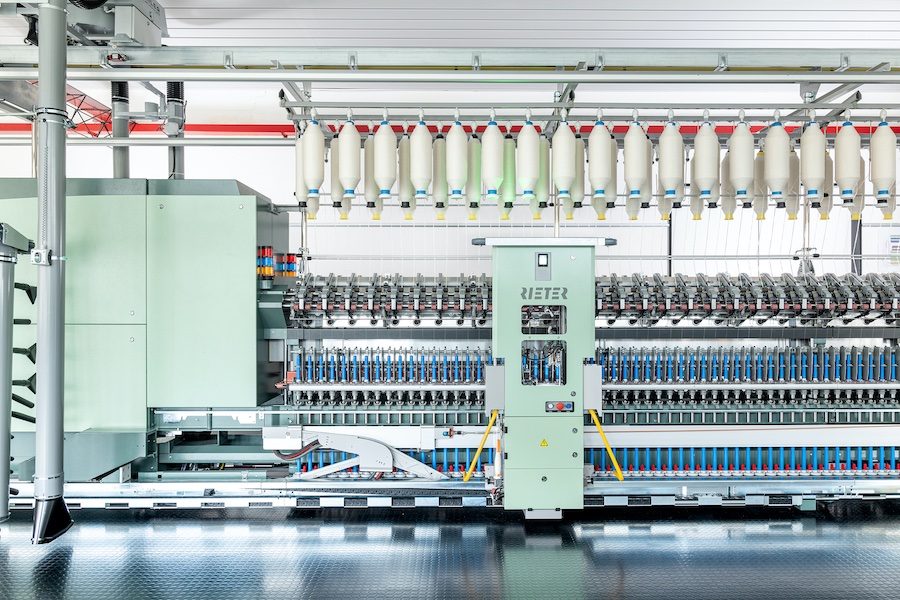
J 20 Air-Jet Spinning Machine for new raw material applications

J 20 Air-Jet Spinning Machine for new raw material apllications (c) 2013 Rieter
The air-jet spun yarn Com4®jet is one of the members of the Com4®yarn family. Since the launch of the air-jet spinning technology the system has been under a steady innovation process both in terms of machine design as well as textile technology research. Rieter has recently released the air-jet spinning application for new raw materials and yarn count ranges.

Rieter’s system suppliers approach has been a prime advantage for customers for years. The Com4®yarns campaign extends this customer support as far as the end product. Any release of a product for new applications has to meet very precise testing standards. The yarn applications not only meet very high operating efficiency levels but their usability is tested in all downstream processes. An application is not offered to Rieter customers unless such a comprehensive test is passed.

The research efforts and technology experience collected in the last year made it possible for Rieter to include further raw material types and extend the yarn count range where the J 20 air-jet spinning technology can be applied.

The raw materials listed below have been tested under spinning conditions in customer trial mills and all have been processed to form a particular end product. Rieter as a producer of all 4 spinning technologies constantly compares and evaluates different spinning processes and gives recommendations on cost effectiveness of each of them. The Rieter company is going to pursue this trend in development further on.

For the following application range the J 20 air-jet spinning machine is now available:

  • Ne 30-50 for combed cotton (>1 1/8“)
  • Ne 24-40 for MMF cellulosic (Viscose, Modal, ProModal, Tencel)
  • Ne 40-70 for MMF cellulosic micro fibers
  • Ne 24-40 for blends of viscose with < 50 % PES, blends of combed cotton with < 50 % PES and blends of combed cotton with cellulosic fibers
More News from Rieter Textile Systems

#Spinning

Georg Stausberg, a veteran of the textile machinery industry, takes over as Rieter Group CEO

Georg Stausberg, one of the most experienced executives in the international textile machinery industry, has been appointed Chief Executive Officer of the Rieter Group with immediate effect from 4 November 2026. With more than three decades of industry experience and a long-standing leadership career at Barmag, Stausberg brings extensive technological expertise, international market knowledge and an established network across the global textile industry to his new position.

#Spinning

Rieter reports higher sales and order intake but lowers 2026 earnings outlook

Rieter achieved an order intake of CHF 951.4 million in the first nine months of 2026 (2025: CHF 559.3 million), up 70.1%. This growth is attributable to the first-time consolidation of the Man-Made Fiber Division. On an organic basis, order intake was 10.5% lower than the previous year.

#Spinning

Rieter appoints Daniel Lippuner as new CEO as Thomas Oetterli steps down

Thomas Oetterli has decided to step down from his function as CEO, effective October 31, 2026, and hand over the Chairmanship of the Board of Directors. “After the successful implementation of the Next Level performance program, the structural measures initiated to consolidate the sites and the acquisition of Barmag, the time has come to hand over responsibility to new hands,” explains Thomas Oetterli.

#Spinning

Rieter prepares leadership transition in Components & Technology

Roger Albrecht, Head of the “Components & Technology” Division, has decided to pursue a new opportunity outside the Rieter Group. Roger has worked for the Group for 11 years and has been instrumental in maintaining Rieter’s position as a technology leader in the short-staple business.

More News on Spinning

Latest News

#Recycling / Circular Economy

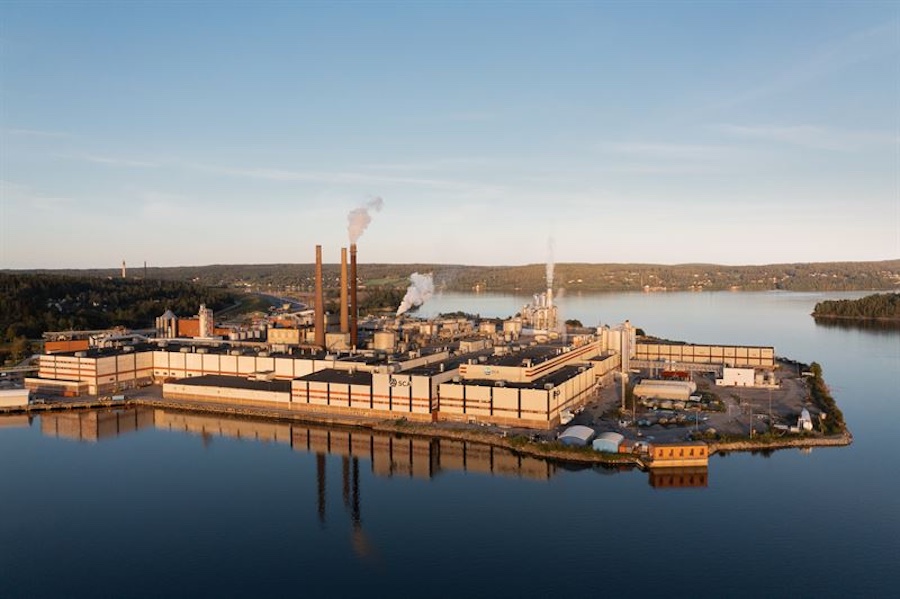
Circulose resumes recycling of discarded cotton textiles and appoints interim CEO

Circulose today announced its restart of commercial-scale production plant at Ortviken in Sundsvall, Sweden, marking a significant step in scaling next-generation materials for the global fashion industry. The Ortviken plant is the world’s first commercial-scale chemical textile recycling facility. Its restart demonstrates that the fashion industry is seeking ways to scale proven solutions that move beyond pilots and into commercial production.

#ITMA Asia + CITME 2026

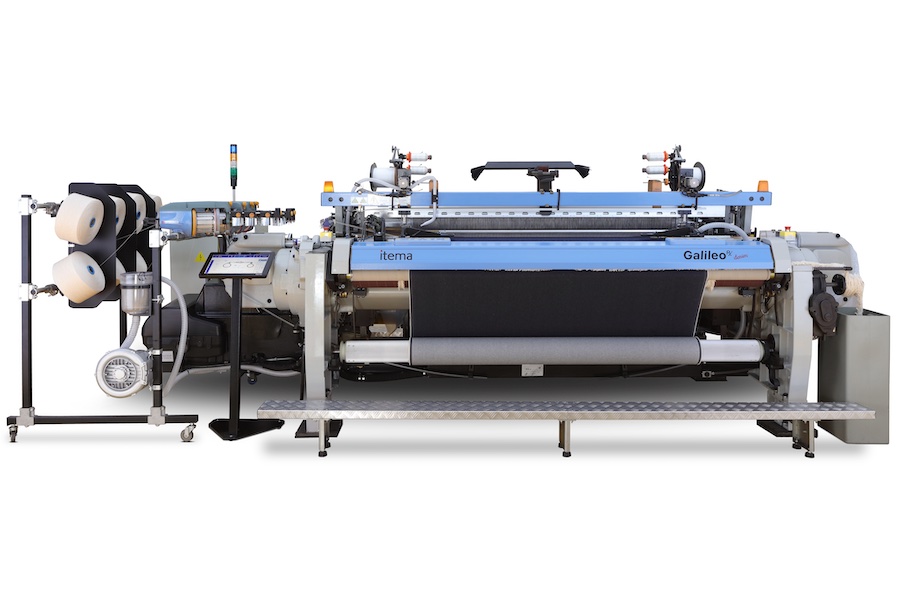
Itema brings textile versatility to ITMA ASIA + CITME 2026

Itema announces its participation in ITMA ASIA + CITME 2026, taking place November 20–24 at the National Exhibition and Convention Center in Shanghai. In Hall 3 – Stand D06, the company will showcase two Galileo-RX rapier weaving machines weaving heavy denim and conveyor belt fabrics, demonstrating its ability to address different textile requirements with application-specific configurations. Five additional Itema machines at partner booths will extend the exhibition lineup to upper shoe fabric, label, Jacquard leno fabrics, and shirting, offering visitors a broader view of Itema rapier and air-jet weaving technologies.

#Dyeing, Drying, Finishing

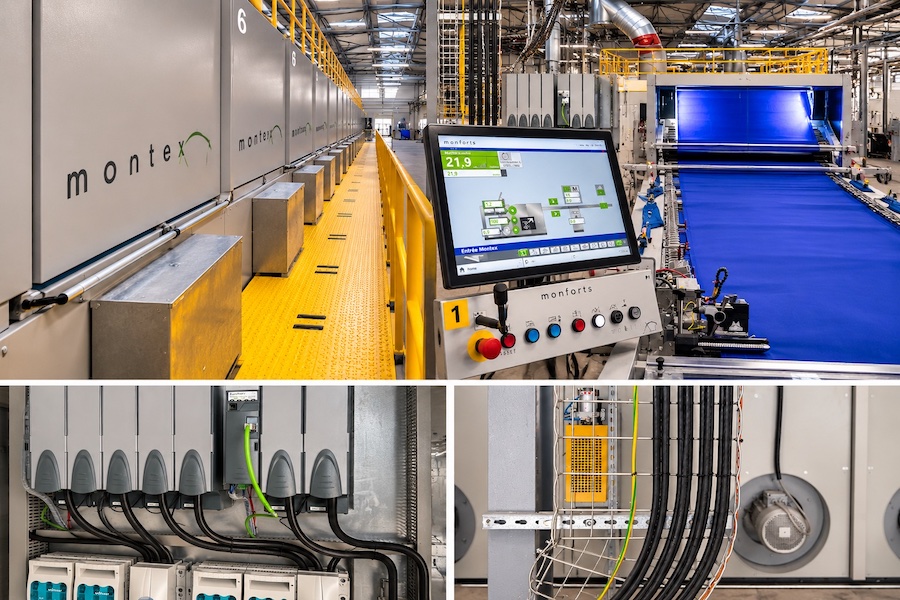
AEI reaps the benefits of all-electric new Monforts range

The impact of the rising cost of energy on the textile industry has been well documented, with some European countries paying up to seven times more to run their manufacturing operations than in other regions of the world.

#ITMA Asia + CITME 2026

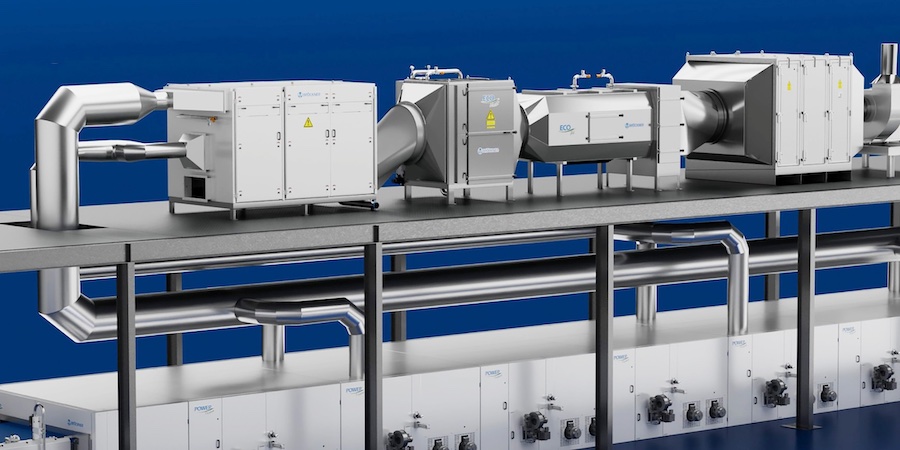
Brückner showcases sustainable technologies for the future of textile finishing at ITMA ASIA 2026

With rising energy costs, increasing environmental requirements, and growing competitive pressure, textile manufacturers worldwide are facing the challenge of making their production processes both more sustainable and more cost-effective. As one of the world's leading specialists in textile finishing machinery, Brückner will present innovative solutions and advanced production technologies at ITMA ASIA 2026 in Shanghai. These technologies can play a key role in significantly reducing both energy consumption and emissions.

TOP