[pageLogInLogOut]

#Nonwoven machines

Sustainable insulation: ANDRITZ tearing line to enhance recycling capabilities at Buitex

International technology group ANDRITZ has supplied and commissioned a reXline tearing system for Buitex, Semin Group, located in Cours, France.
Building insulation panels made by Buitex from post-consumer waste © 2025 Andritz


The new production line enables the company to expand textile waste recycling for sustainable insulation production.

This second ANDRITZ tearing line at Buitex increases the company’s recycling capacity while maintaining high fiber purity, thanks to an advanced hard-point removal system. The latest-generation cyclone technology further improves disruptor sorting, enhancing overall efficiency. The system can process up to an additional 2.5 tons of fiber per hour, enabling the production of recycled fibers for applications such as bedding, construction, and automotive insulation.

“We are delighted to collaborate once more with ANDRITZ on this new reXline tearing project, built on many years of successful partnerships. It is crucial for us to make the building insulation industry more sustainable by giving new life to post-consumer clothes that would otherwise be incinerated or end up in landfills. The European market has abundant raw materials and a strong demand for sustainable insulation products. With this new line, ANDRITZ enables us to significantly enhance our recycling capabilities,” says Adam Adamowicz, CEO of Buitex.

Founded in 1895, Buitex is a French manufacturer of high-performance recycled products. As a pioneer in circular economy practices, Buitex transforms textile waste into high-performance insulation and comfort products. Since joining the Semin Group in 2023, the company has operated a 20,000 m² production site equipped with six production lines and has become one of Europe’s major players in the circular economy.

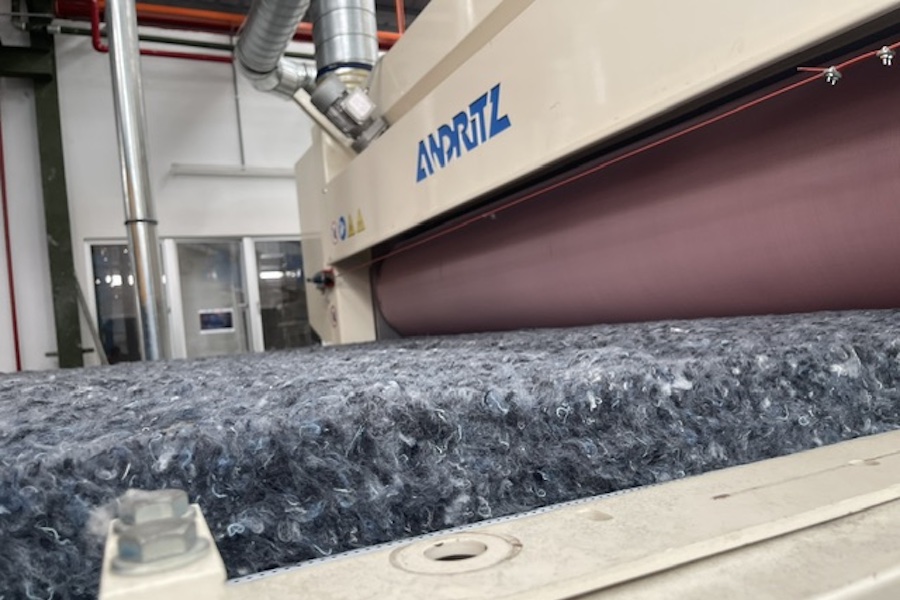
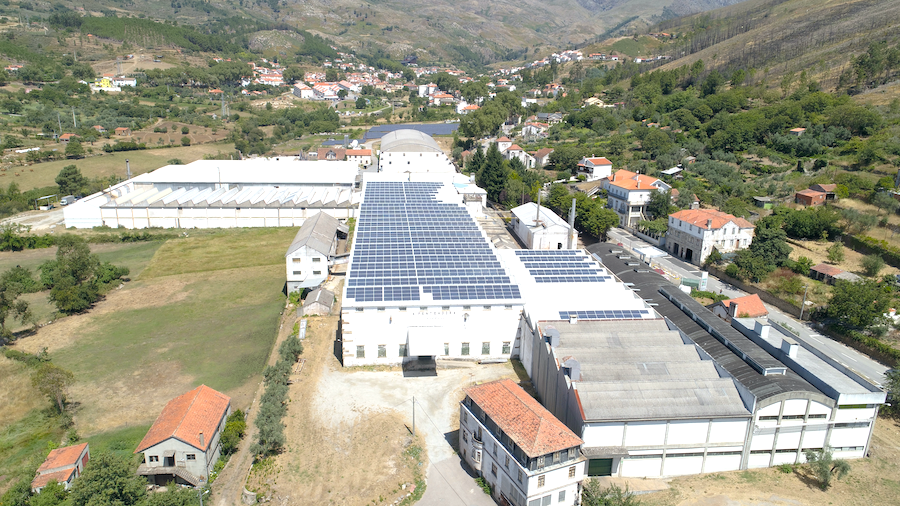
ANDRITZ reXline tearing line at Buitex © 2025 Andritz


More News from ANDRITZ Nonwoven

#Nonwoven machines

MENANG rapidly resumes production with new ANDRITZ airlay line after major fire

MENANG, a Malaysian manufacturer of nonwoven automotive components, has resumed production after a major fire severely damaged its airlay line in mid-March 2026. A new airlay line supplied by ANDRITZ enabled production to restart within only four months.

#Nonwoven machines

A Penteadora starts up ANDRITZ textile recycling and needlepunch nonwoven lines in Portugal

A Penteadora SA has successfully started up a complete mechanical textile recycling line and a needlepunch nonwoven line supplied by ANDRITZ at its production site in Unhais da Serra, Portugal. This investment enables A Penteadora to expand its industrial capabilities and develop a new generation of solutions based on pre- and post-consumer recycled textiles. The input materials originate from its own production waste and other textile waste streams. Both lines are fully operational, and the first products are expected to reach the market in July.

#Nonwoven machines

ATCO Hygienics, Uzbekistan, orders baby diaper production line from ANDRITZ

International technology group ANDRITZ has received an order from ATCO Hygienics to supply a new baby diaper production line for its plant in Tashkent, Uzbekistan. The order is included in ANDRITZ’s order intake for the first quarter of 2026. Commissioning of the production line is scheduled for the end of 2026.

#Nonwoven machines

Kruger, Canada, orders first nonwovens line for sustainable wipes from ANDRITZ

International technology group ANDRITZ has received an order from newly established Kruger Nonwovens to deliver a complete WetlaceTM hybrid line for the Wayagamack mill in Trois-Rivières, Quebec, Canada. With this investment, pulp and paper producer Kruger is preparing to enter the nonwovens market with a new generation of plastic-free, chemical-free materials for sustainable wipes. The line is the first of its kind in Canada and is scheduled to start production in 2028.

More News on Nonwoven machines

#India ITME 2026

Trützschler brings intelligent fiber processing and automation to India ITME 2026

From December 4 to 9, 2026, the Trützschler Group will present its latest innovations in spinning, card clothing and nonwovens at India ITME in Greater Noida, India. At Hall 11, Booth B15, visitors can discover solutions designed to increase productivity, reduce operating costs and ensure consistently high product quality. Key highlights include the intelligent card TC 26i, the 12-head comber TCO 21XL, innovative card clothing solutions for improved fiber utilization and quality, as well as advanced nonwovens technologies for hygiene, wipes and technical applications.

#Techtextil & Texprocess 2028

Techtextil and Texprocess 2028 strengthen networking and business opportunities along the textile value chain

Techtextil and Texprocess are preparing for their next editions from 4 to 7 April 2028 in Frankfurt with an optimised hall layout designed to strengthen connections across the textile value chain. The new structure brings materials, production technologies and processing solutions closer together, while several leading international companies have already confirmed their participation. Exhibitors can benefit from early-booking rates until 30 November 2026.

#Spinning

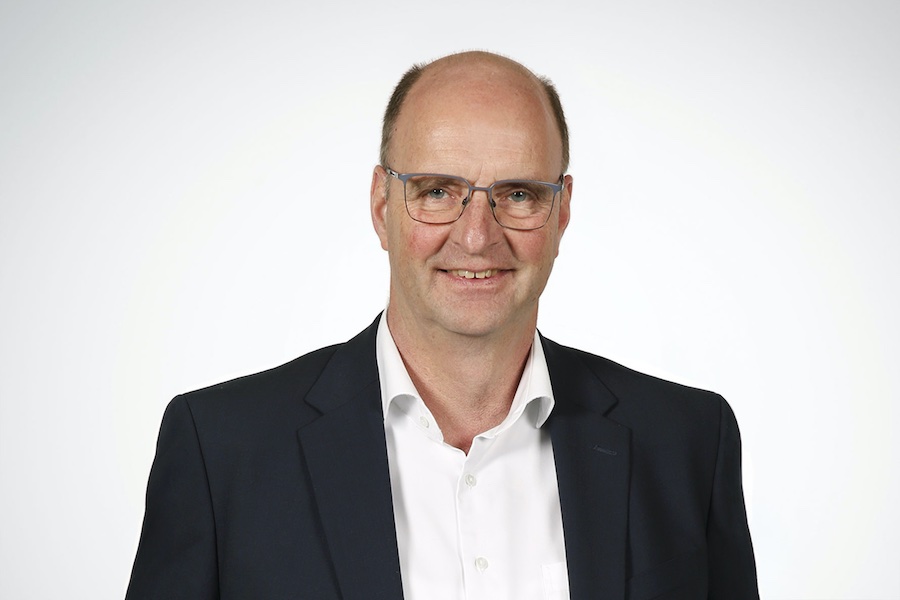
Georg Stausberg, a veteran of the textile machinery industry, takes over as Rieter Group CEO

Georg Stausberg, one of the most experienced executives in the international textile machinery industry, has been appointed Chief Executive Officer of the Rieter Group with immediate effect from 4 November 2026. With more than three decades of industry experience and a long-standing leadership career at Barmag, Stausberg brings extensive technological expertise, international market knowledge and an established network across the global textile industry to his new position.

Latest News

#Textile processing

Jeanologia combines digitalisation, laser and ozone technology to strengthen China’s textile competitiveness

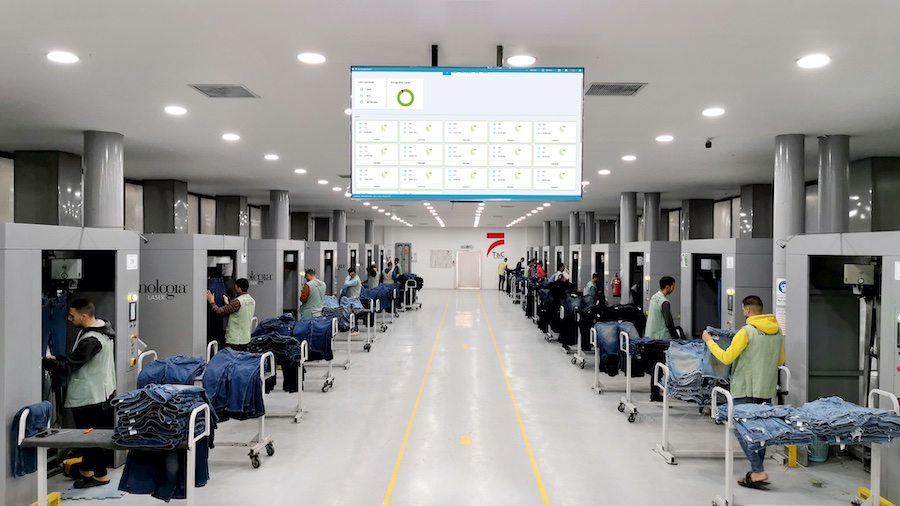
At ITMA Asia + CITME 2026 in Shanghai, Jeanologia showcased how the combination of digitalisation, laser technology and G2 Ozone can help China’s textile industry improve productivity, speed, quality and efficiency. With its Compact Super Flash laser system and integrated production concepts, the Spanish technology specialist demonstrated how connecting product development and industrial production can enable faster, more automated and sustainable manufacturing processes.

#Textile chemistry

Flame protection and OEKO-TEX® certification: Gulec Chemicals clears an important hurdle

Three halogen-free flame retardants from German specialist Gulec Chemicals have been included in the OEKO-TEX® list of accepted Active Chemical Products (ACP). The listing opens up additional opportunities for textile finishers, coaters and manufacturers of technical textiles seeking to combine demanding fire protection requirements with certification according to OEKO-TEX® STANDARD 100.

#Dyeing, Drying, Finishing

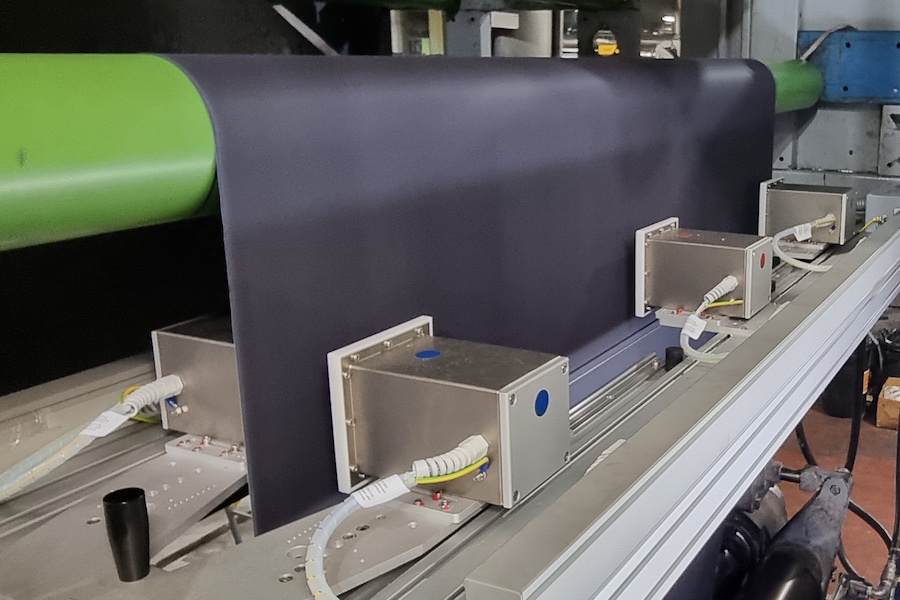
PLEVA improves dyeing consistency with inline microwave measurement of liquor pick-up

Consistent shades are essential in continuous textile dyeing. Yet variations in fabric absorbency or uneven padder pressure can go unnoticed until the end of the line. By then, hundreds of metres of fabric may already be affected and may become second-choice or rejected.

#Recycling / Circular Economy

DITF establishes CYCLOTEXUM recycling center to advance mechanical and solvent-based textile recycling

As part of the CYCLOTEXUM research project, the German Institutes of Textile and Fiber Research Denkendorf (DITF) established the CYCLOTEXUM recycling center. There, in collaboration with industry partners, the center develops application-oriented solutions for mechanical and solvent-based recycling processes. The technologies developed make a significant contribution along the textile value chain toward the efficient use of textile resources in the future and the transition of production in the German textile sector to a circular economy. The project was funded by the Ministry for the Environment, Climate and Energy Sector of the State of Baden-Württemberg.

TOP