[pageLogInLogOut]
USTER Think Quality

#Recycled Fibers

Recycling pioneer matterr to build plant at Chemiepark Knapsack

matterr is establishing operations at Chemiepark Knapsack. The planned small-scale industrial depolymerisation plant will be located in the Hürth section of the site and will have an annual capacity of 10,000 tonnes. The facility marks an important step toward a fossil-free, circular PET industry. Groundbreaking is scheduled for 2026.
From top left: Ralf Müller (YNCORIS), Benjamin Rump (matterr), Melanie Hackler (matterr), Christoph Kappenhagen (YNCORIS), Jan Rückold (matterr), Pierre Kramer (YNCORIS); Bottom left: Sebastian Trunk (YNCORIS), Clemens Müller (matterr) © Yncoris


Recycling company matterr is establishing operations at Chemiepark Knapsack and will construct a small-scale industrial depolymerisation plant in the Hürth section of the site with an annual capacity of around 10,000 tonnes. The facility marks an important step toward a fossil-free, circular PET industry and represents another milestone in the transformation of Chemiepark Knapsack toward circularity. Groundbreaking is scheduled for 2026.

Innovative recycling technology for polyester waste

matterr’s patented depolymerisation process converts complex, mixed PET waste streams — including blended textiles and multi-layer packaging — back into their original molecular building blocks under mild conditions at atmospheric pressure. After purification, these components can be used in existing polyester production facilities to produce virgin-quality products, fully replacing fossil-based feedstocks. For its Knapsack operation, matterr will leverage the site’s integrated infrastructure.

“The Chemiepark Knapsack is an ideal location for us: its clear focus on promoting the circular economy fits our approach perfectly. Together with YNCORIS, we are laying the foundations for a future-proof, circular PET industry independent of fossil feedstocks. At the same time, we want to demonstrate that our solution is economically viable and can set new standards for sustainable supply chains across sectors", says Melanie Hackler, CEO matterr.

Progress for circular industry and manufacturing

By scaling up, matterr aims to prove that fossil-free circular solutions work at industrial scale and can set a new benchmark for sustainable supply chains across industries. Benjamin Rump, COO of matterr, explains the main challenge remains delivering an efficient, scalable recycling process: “That is precisely what we have developed at matterr. With the new industrial plant we will demonstrate that our depolymerisation process works at commercial scale — reliably and with high process stability. We benefit from YNCORIS’s experience in plant construction and integration; that partnership is a crucial factor in moving from pilot to industrial implementation.”

Transformation continues

Chemiepark Knapsack has been advancing its shift toward the circular economy for several years. matterr is the third recycling-focused company on site. “Our aim has always been to attract process plants to Chemiepark Knapsack that preserve material cycles and strengthen local circularity,” says Ralf Müller, Chair of YNCORIS’s Executive Board, which operates the park. “With its expertise and advanced solution, matterr is an excellent fit for the site.”

Last year, LyondellBasell secured a large plot in the new Hürth-South area to build an integrated recycling and downstream processing centre for plastic waste. Since April 2021, Palurec is successfully recycling beverage cartons at a facility in the park. In addition, the waste-to-energy plant, in operation since 2009, generates steam from non-recyclable residues — steam that is an important part of the site’s energy supply.

For Christoph Kappenhagen of YNCORIS’s management team, matterr exemplifies industrial sustainability: “This new investment shows that a traditional industrial location can keep evolving. We want to offer people long-term prospects here, and that requires technological innovation and close cooperation among companies at the Chemiepark Knapsack.”

More News from matterr GmbH

More News on Recycled Fibers

#Recycling / Circular Economy

Circulose resumes recycling of discarded cotton textiles and appoints interim CEO

Circulose today announced its restart of commercial-scale production plant at Ortviken in Sundsvall, Sweden, marking a significant step in scaling next-generation materials for the global fashion industry. The Ortviken plant is the world’s first commercial-scale chemical textile recycling facility. Its restart demonstrates that the fashion industry is seeking ways to scale proven solutions that move beyond pilots and into commercial production.

#Recycled Fibers

Reju expands textile-to-textile recycling network with six international fabric manufacturers

Reju, a textile-to-textile regeneration company, is expanding its industrial network through collaborations with six fabric manufacturers in Europe and the Americas. The initiative aims to accelerate the integration of regenerated polyester into textile manufacturing and support the development of finished fabrics for commercial applications.

#Recycled Fibers

C&A and Zalando join Altag® Fiber Club to accelerate adoption of agricultural waste-based fibres

Fashion for Good and AltMat announced today that C&A and Zalando have joined the Altag® Fiber Club as its first brand signatories, marking a critical commercial milestone in the journey to mainstream adoption of next-generation fibres derived from agricultural waste.

#Recycling / Circular Economy

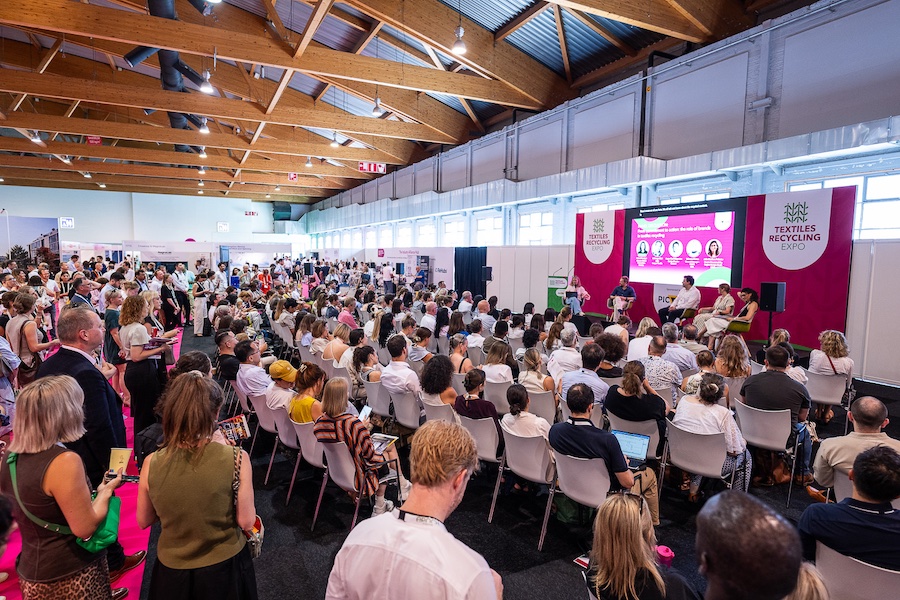
ReHubs calls on industry experts to shape Textiles Recycling Expo 2027 conference programme

ReHubs is proud to continue its collaboration with Textiles Recycling Expo as the Structural Partner for the third consecutive year, reinforcing its commitment to bringing together the organisations, expertise and solutions needed to scale textile-to-textile recycling across Europe.

Latest News

#Spinning

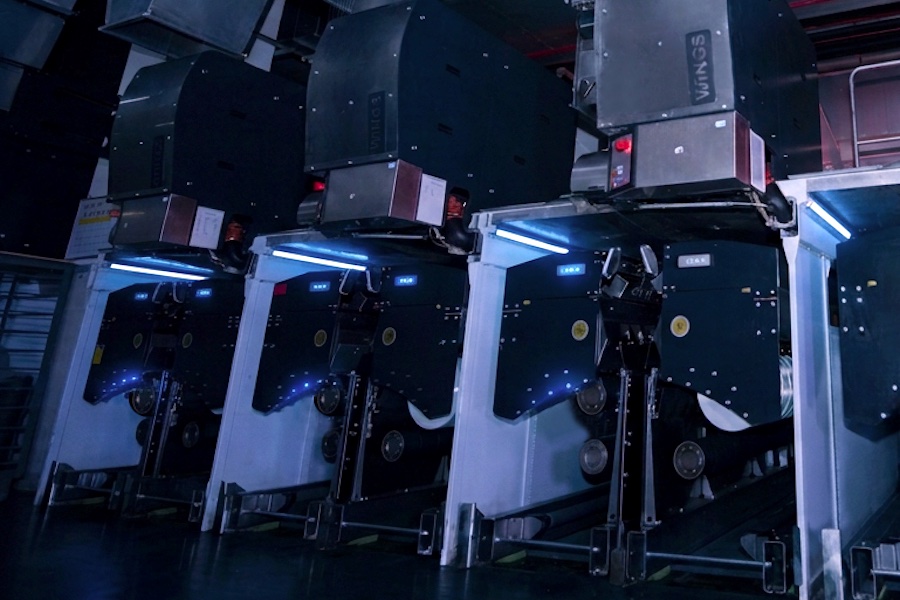
Barmag’s single-stage Bi-Shrinkage concept impresses with yarn quality and efficiency

The Indian company Garden Silk Mills Pvt. Ltd. adopts Barmag's new single-stage Bi-Shrinkage Yarn (BSY) spinning concept based on WINGS FDY PLUS eco. The systems, which have been in operation for about a year, deliver excellent yarn quality with very good productivity.

#India ITME 2026

Trützschler brings intelligent fiber processing and automation to India ITME 2026

From December 4 to 9, 2026, the Trützschler Group will present its latest innovations in spinning, card clothing and nonwovens at India ITME in Greater Noida, India. At Hall 11, Booth B15, visitors can discover solutions designed to increase productivity, reduce operating costs and ensure consistently high product quality. Key highlights include the intelligent card TC 26i, the 12-head comber TCO 21XL, innovative card clothing solutions for improved fiber utilization and quality, as well as advanced nonwovens technologies for hygiene, wipes and technical applications.

#ITMA Asia + CITME 2026

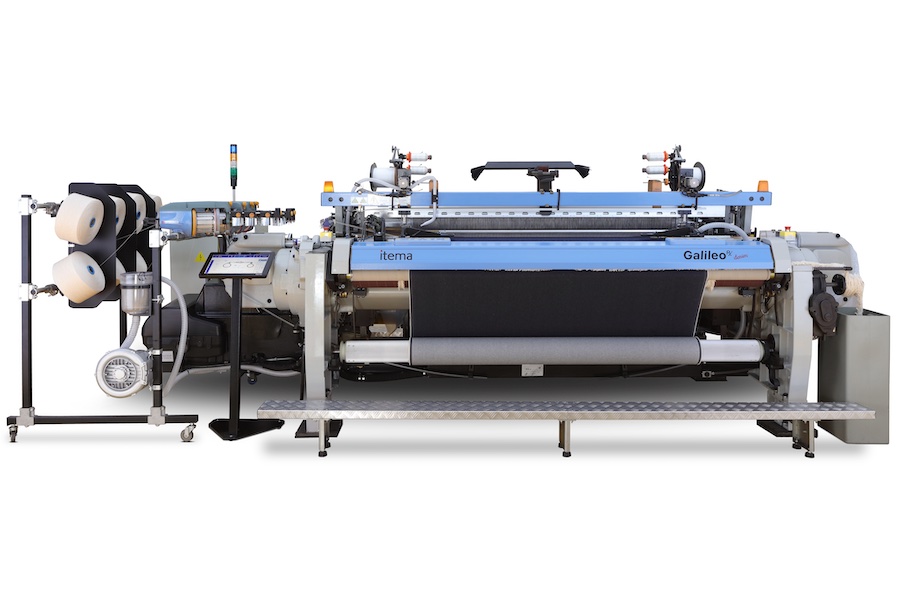
Itema brings textile versatility to ITMA ASIA + CITME 2026

Itema announces its participation in ITMA ASIA + CITME 2026, taking place November 20–24 at the National Exhibition and Convention Center in Shanghai. In Hall 3 – Stand D06, the company will showcase two Galileo-RX rapier weaving machines weaving heavy denim and conveyor belt fabrics, demonstrating its ability to address different textile requirements with application-specific configurations. Five additional Itema machines at partner booths will extend the exhibition lineup to upper shoe fabric, label, Jacquard leno fabrics, and shirting, offering visitors a broader view of Itema rapier and air-jet weaving technologies.

#Dyeing, Drying, Finishing

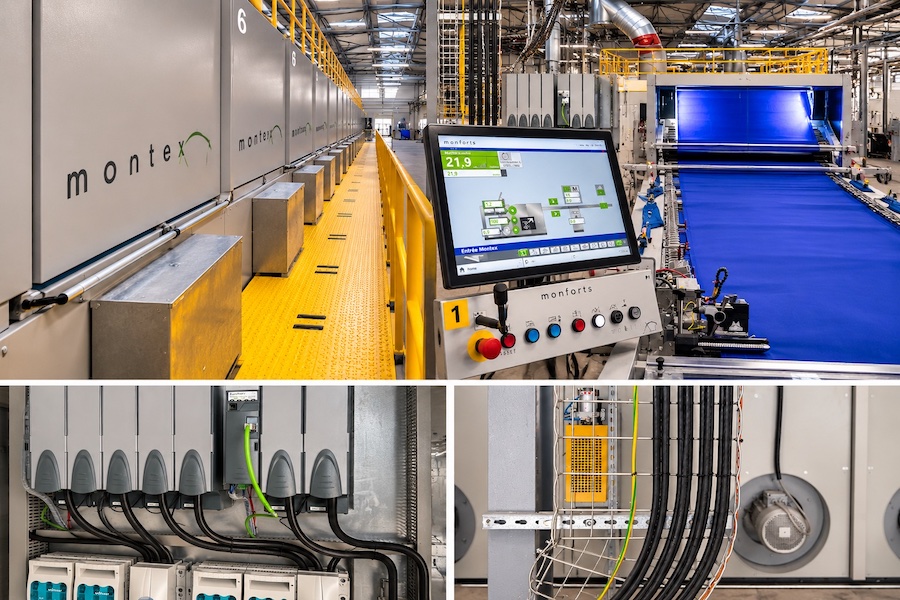
AEI reaps the benefits of all-electric new Monforts range

The impact of the rising cost of energy on the textile industry has been well documented, with some European countries paying up to seven times more to run their manufacturing operations than in other regions of the world.

TOP