[pageLogInLogOut]

#Dyeing, Drying, Finishing

Gina Tricot and We aRe SpinDye in a resource-efficient collaboration.

Gina Tricot today releases its first collection that has been produced with We aRe SpinDye. The collection is part of Gina Tricot's innovation program Gina Lab. and consists of a coat, shirt, trousers and two bags colored with We aRe SpinDye's method.

With the collaboration, Gina Tricot continues to focus on sustainability, now with the coloring process at the center. Of all the resources that arise during the entire lifespan of a garment - from the production of raw materials, to recycling, 80% is used during the production phase itself. To maximize the effects of the sustainability changeover, an increased focus is required on the entire production process and in particular on the most resource-intensive of them all: the dyeing.

"One of Gina Tricot's focus is to explore new methods and technologies in sustainability, which makes the collaboration with We aRe Spin Dye feel just right for us. Together we get a product with more durable and circular fibers, in addition with a more sustainable textile production with a focus on minimal water use. We are extremely proud of this collaboration. says Emma Garrote, Global Production & Sustainability Manager at Gina Tricot.

"Gina Tricot is a shining example of an agile organization with short decision-making processes. They have managed to enthuse both the design and production department. It has been crucial to reach the launch of this collection that takes place today, says Andreas Andrén, CEO of We aRe SpinDye®.


Om Gina Tricot

Gina Tricot is a Swedish fashion brand that offers fashion to women in over 30 countries. Gina Tricot has a strong passion for fashion and aims to offer the customer a new and interesting shopping experience.

Today, Gina Tricot has over 160 stores around Sweden, Norway, Denmark and Finland, as well as e-commerce throughout Europe. With around 1,900 employees, 98% of these are girls. For Gina Tricot, it is important to build pride from the inside out, we are a company that chooses to invest in and highlight women.

Om We aRe Spin Dye

The company is a Swedish cleantech company that provides and offers a process and platform for production and quality control that enables players in the fashion and clothing industry to significantly reduce their environmental impact. The company's business concept is to establish a new, sustainable and transparent standard for dyeing synthetic textiles in the fashion and apparel industry in a simple and user-friendly way.
More News from TEXDATA International

#ITM 2026

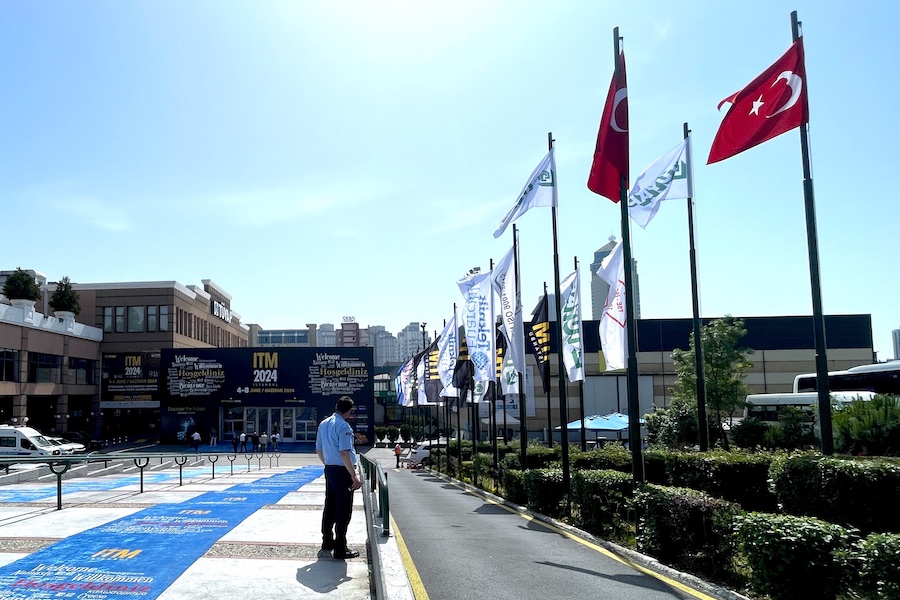
ITM 2026: The new geography of textile production

New production hubs are emerging across North Africa and Central Asia, while Türkiye is accelerating its transformation toward higher-value, technology-driven and more sustainable textile manufacturing.

#Research & Development

“Production is a product”

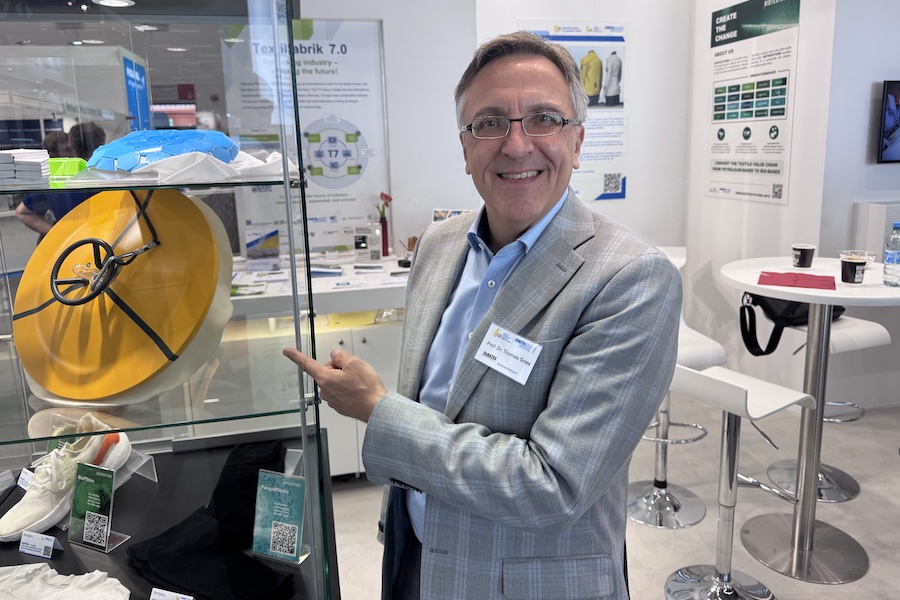
From technical textiles and AI-driven robotics to the limitations of textile circularity: Professor Dr Thomas Gries looks back on more than two decades of development at ITA Aachen. In the interview, he explains why production technology remains a decisive success factor, discusses international collaborations and innovation ecosystems, and shares his views on the transformation of production landscapes and the challenges facing an increasingly regulated industry.

#Knitting & Hosiery

“We need to move away from the price trap and return to a value-driven mindset.”

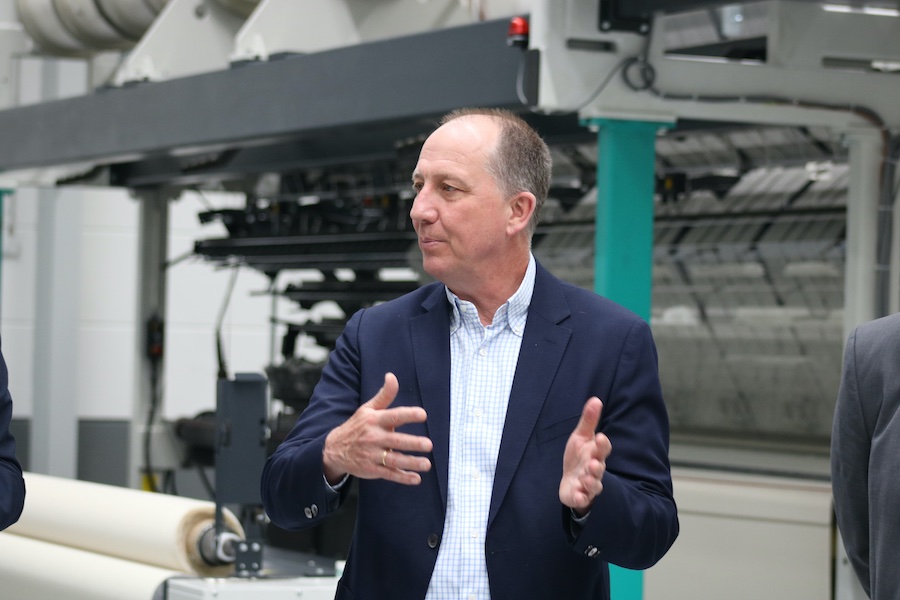
With its new Textile Innovation Center, KARL MAYER is sending a strong signal for innovation, collaboration, and the future of textile applications. In this interview, Karl Josef Mayer discusses new opportunities in warp knitting, the processing of staple fibres, recycling, the changing role of machinery manufacturers, and why the textile industry must once again focus more strongly on the value of textiles. by Oliver Schmidt

#Associations

“Innovation, resilience and international experience remain the great strengths of the Swiss textile machinery industry”

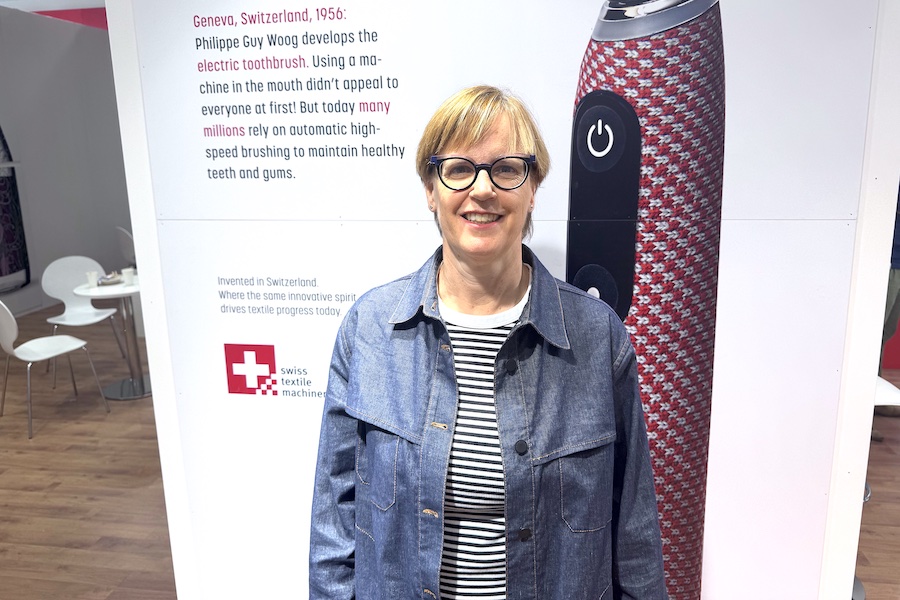
Geopolitical uncertainty, growing competitive pressure from China, new free trade agreements and the shift towards a circular economy are currently reshaping the global textile industry. In this interview, Cornelia Buchwalder discusses the current mood within the Swiss textile machinery sector, the industry’s distinctive innovative strength, new market opportunities in India and Asia, and the technological trends that could shape the upcoming trade fair cycle leading up to ITMA 2027.

More News on Dyeing, Drying, Finishing

#Dyeing, Drying, Finishing

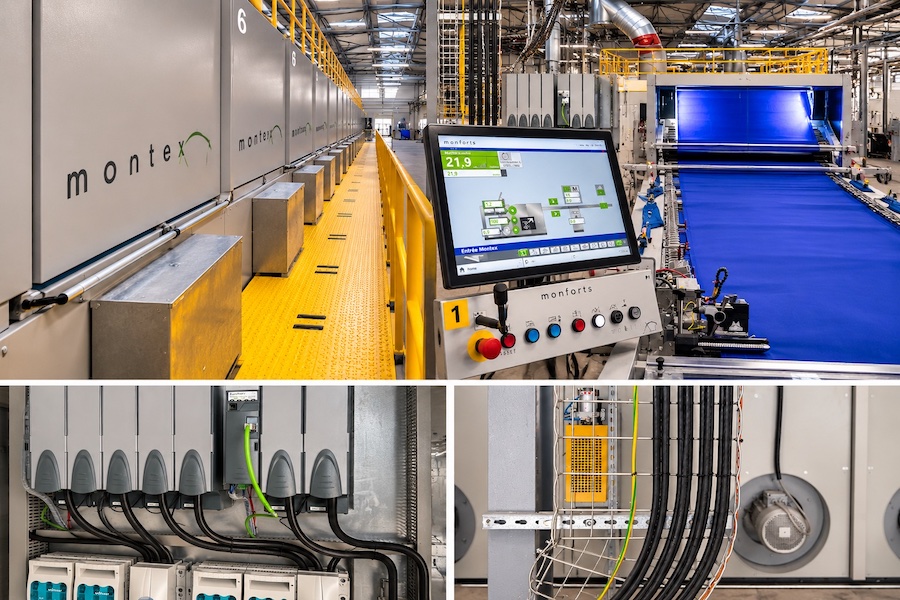
AEI reaps the benefits of all-electric new Monforts range

The impact of the rising cost of energy on the textile industry has been well documented, with some European countries paying up to seven times more to run their manufacturing operations than in other regions of the world.

#ITMA Asia + CITME 2026

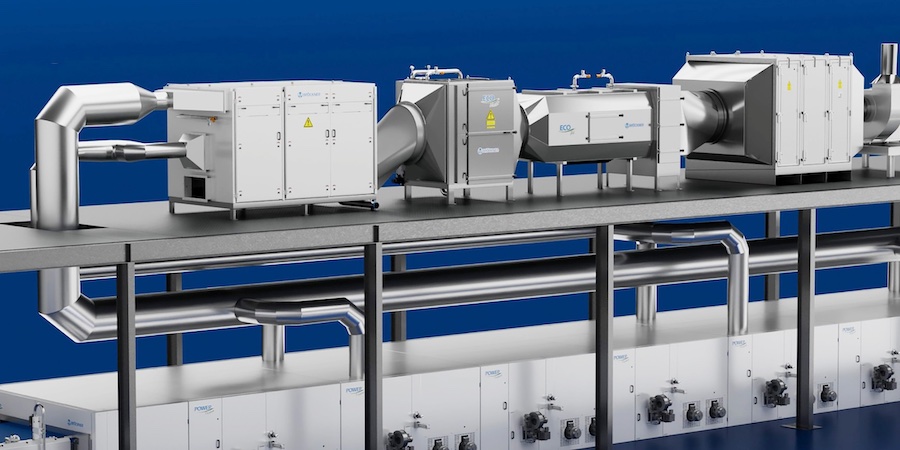
Brückner showcases sustainable technologies for the future of textile finishing at ITMA ASIA 2026

With rising energy costs, increasing environmental requirements, and growing competitive pressure, textile manufacturers worldwide are facing the challenge of making their production processes both more sustainable and more cost-effective. As one of the world's leading specialists in textile finishing machinery, Brückner will present innovative solutions and advanced production technologies at ITMA ASIA 2026 in Shanghai. These technologies can play a key role in significantly reducing both energy consumption and emissions.

#India ITME 2026

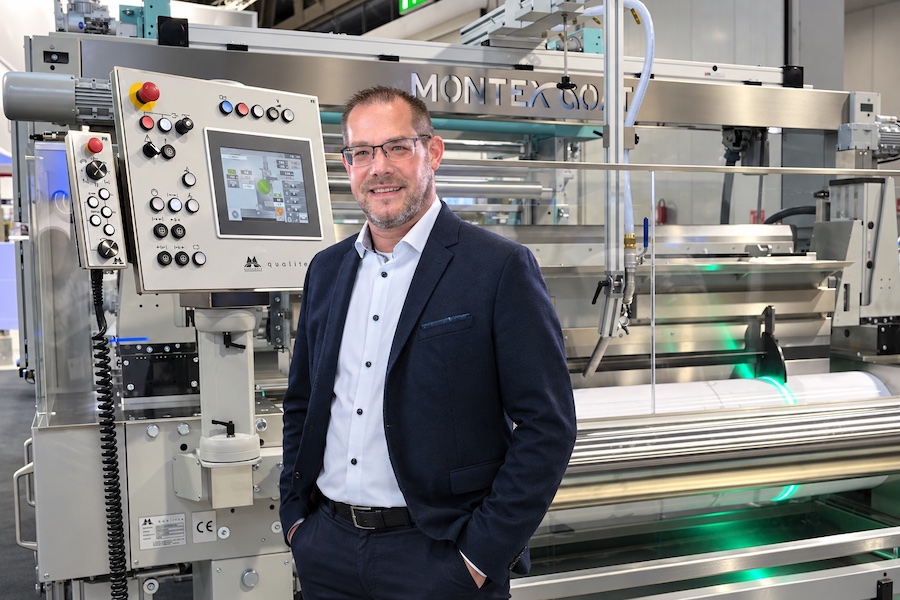
Monforts ready for India’s next phase of textile growth at ITME 2026

Advanced finishing, coating and energy-efficient processing will be highlighted by Monforts at India ITME 2026, as the region’s textile manufacturers increasingly look beyond volume production towards higher-value fabrics. The German finishing machinery specialist sees considerable potential in India as investment continues in conventional apparel and home textiles alongside rapidly developing markets for technical textiles, activewear, sportswear, filtration and automotive applications.

Latest News

#Recycling / Circular Economy

Circulose resumes recycling of discarded cotton textiles and appoints interim CEO

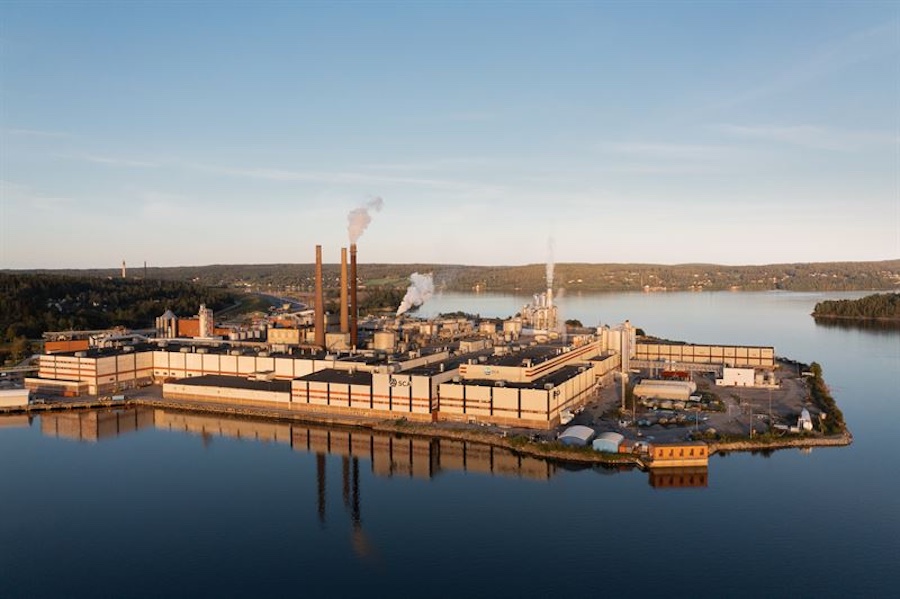
Circulose today announced its restart of commercial-scale production plant at Ortviken in Sundsvall, Sweden, marking a significant step in scaling next-generation materials for the global fashion industry. The Ortviken plant is the world’s first commercial-scale chemical textile recycling facility. Its restart demonstrates that the fashion industry is seeking ways to scale proven solutions that move beyond pilots and into commercial production.

#ITMA Asia + CITME 2026

Itema brings textile versatility to ITMA ASIA + CITME 2026

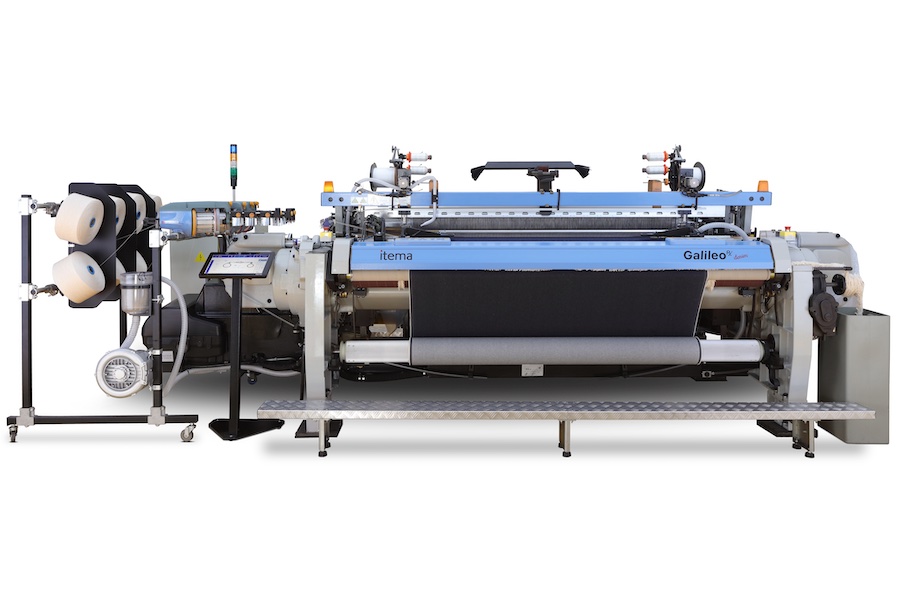
Itema announces its participation in ITMA ASIA + CITME 2026, taking place November 20–24 at the National Exhibition and Convention Center in Shanghai. In Hall 3 – Stand D06, the company will showcase two Galileo-RX rapier weaving machines weaving heavy denim and conveyor belt fabrics, demonstrating its ability to address different textile requirements with application-specific configurations. Five additional Itema machines at partner booths will extend the exhibition lineup to upper shoe fabric, label, Jacquard leno fabrics, and shirting, offering visitors a broader view of Itema rapier and air-jet weaving technologies.

#India ITME 2026

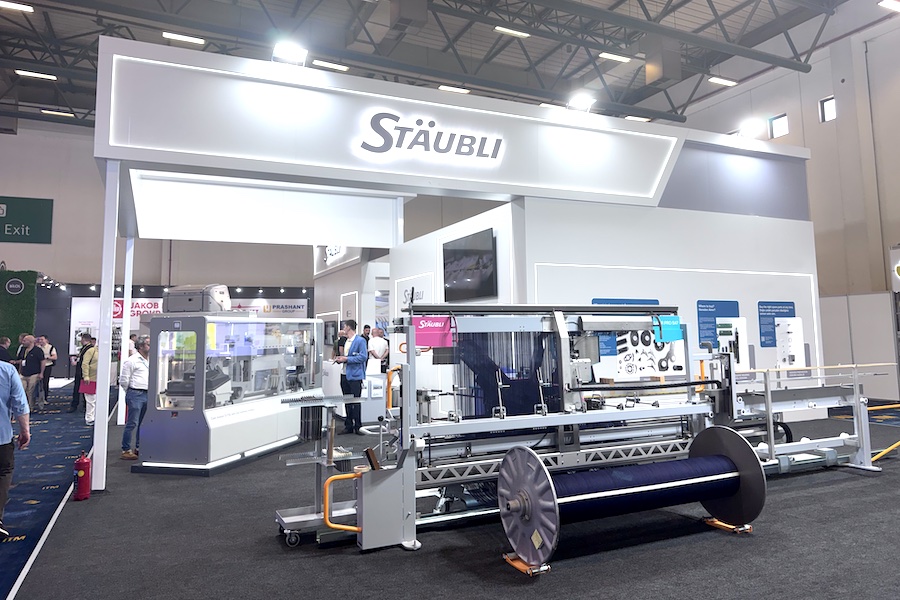
Stäubli to introduce new S3292 dobby for high-speed weaving at ITME India 2026

Stäubli will introduce its new S3292 dobby at ITME India 2026, taking place from December 4 to 9 at the India Expo Centre & Mart in Greater Noida, Uttar Pradesh. Designed for high-speed air-jet weaving, the new machine will be among the highlights of the company's presentation, which also includes warp preparation systems, cam motions, Jacquard technologies and digital services.

#Research & Development

DITF develops bio-based binding fibers for wood-fiber insulation materials

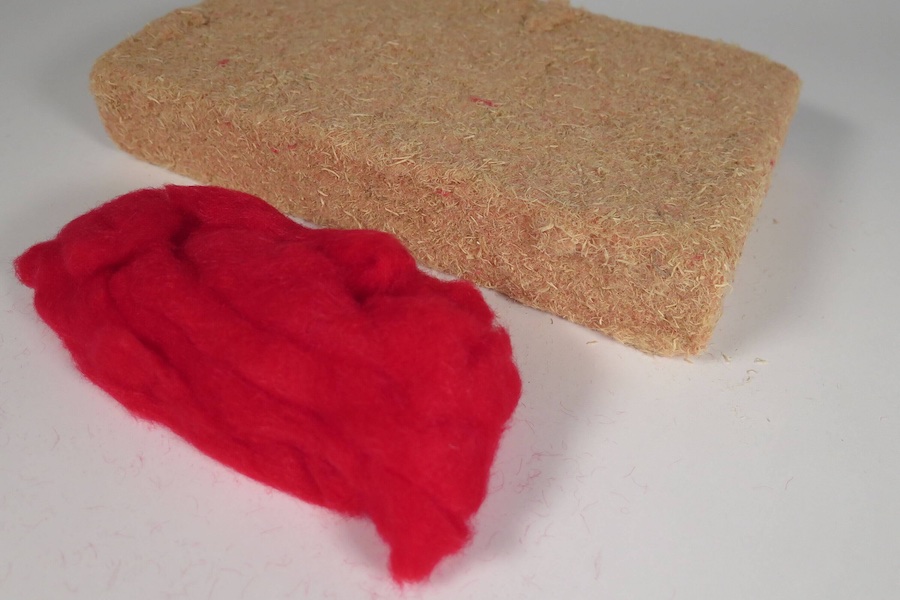
As part of the CelluWoodFlex project, the German Institutes of Textile- and Fiber-Research in Denkendorf (DITF) are developing bio-based cellulose ester fibers as alternative binding fibers for flexible wood fiber insulation materials. In addition to the spinning process and the production of suitable staple fibers, the institute is also investigating how wood and cellulose fibers can be separated and recycled at the end of their useful life.

TOP