[pageLogInLogOut]

#Dyeing, Drying, Finishing

Merging for a brighter future – ALUMO to become wholly-owned subsidiary of AG Cilander

© 2021 AG Cilander
Two long-established companies are joining forces: as of October 2021, textile finishing specialist AG Cilander from Herisau, Switzerland, will acquire 100 percent of ALUMO AG, an Appenzell-based manufacturer known for producing ultra-fine cotton fabrics to exacting Swiss quality standards.

The textile finishing industry is an environment in which quality, new technologies and a keen interest in innovative textile solutions play a crucial role. In this business, strong, reliable alliances with customers and partners are vital pillars to allow growth while still satisfying the high expectations set for the materials used. By acquiring ALUMO AG, the world leader in ultra-fine cotton fabrics, AG Cilander expands into a new market segment, setting the course for successfully broadening its product portfolio and tapping into new sales markets.

“Uncontested at the top of its industry, ALUMO AG stands for both the heritage and the future of premium quality shirt and blouse fabrics. We have long since come to appreciate the cotton fabrics made by this manufacturer,” says Dr. Burghard Schneider, CEO AG Cilander. He sees the acquisition of this company as a visionary step towards the future. “Now is the time to pool our resources in order to satisfy the needs of a demanding market. Our answer to the customers’ demand for outstanding quality, transparency and sustainability is Swiss precision. The ALUMO AG acquisition follows consistent strategic interests. We are rolling up our shirtsleeves, leveraging the power of Swiss heritage to embark on a shared journey towards a successful future,” Schneider continues.


The team at ALUMO AG is excited about the acquisition, too, as it integrates the company even more firmly into the strong Cilander group. Both companies can look back on a long tradition of expertise in the textile industry, and their partnership has been a very successful one for years. “I believe in the new, redoubled collaboration with Cilander. Firmly integrated into a strong, sustainable textile group, we will forge a successful shared future,” Sandra Geiger, CEO ALUMO, is excited to add.

ALUMO AG will continue to operate as an independent company based in Appenzell, keeping the same strategic direction in the fabrics offered and the same standards for excellence in service and quality.
More News from TEXDATA International

#ITM 2026

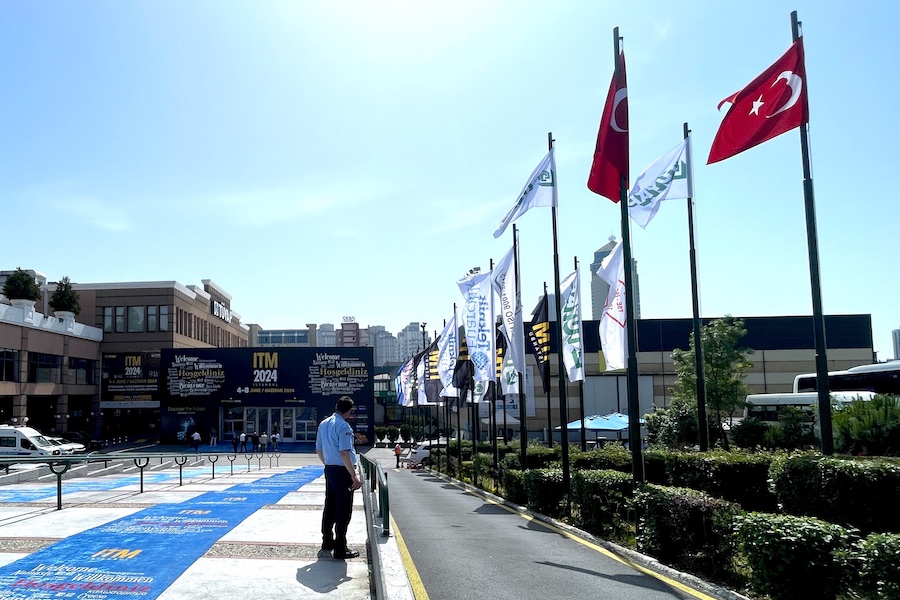
ITM 2026: The new geography of textile production

New production hubs are emerging across North Africa and Central Asia, while Türkiye is accelerating its transformation toward higher-value, technology-driven and more sustainable textile manufacturing.

#Research & Development

“Production is a product”

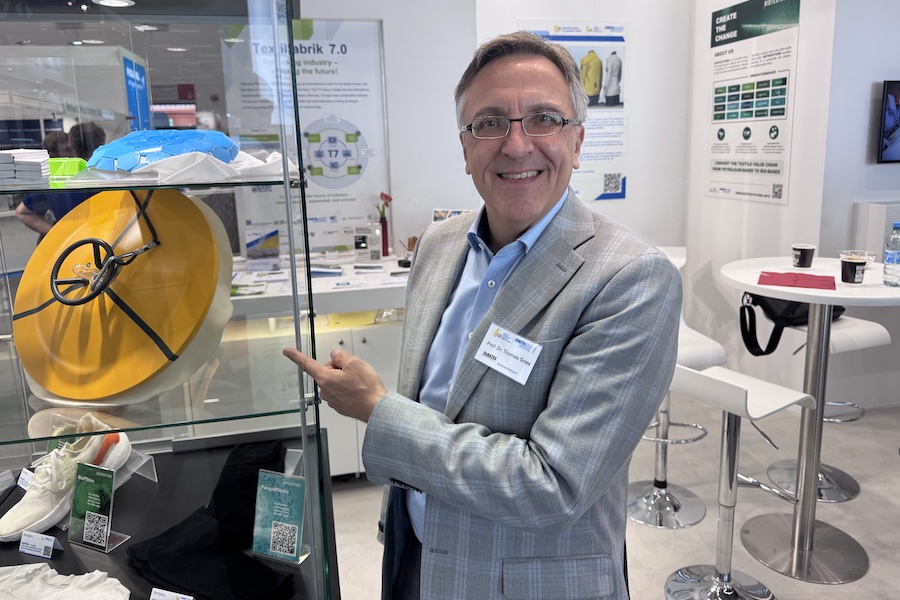
From technical textiles and AI-driven robotics to the limitations of textile circularity: Professor Dr Thomas Gries looks back on more than two decades of development at ITA Aachen. In the interview, he explains why production technology remains a decisive success factor, discusses international collaborations and innovation ecosystems, and shares his views on the transformation of production landscapes and the challenges facing an increasingly regulated industry.

#Knitting & Hosiery

“We need to move away from the price trap and return to a value-driven mindset.”

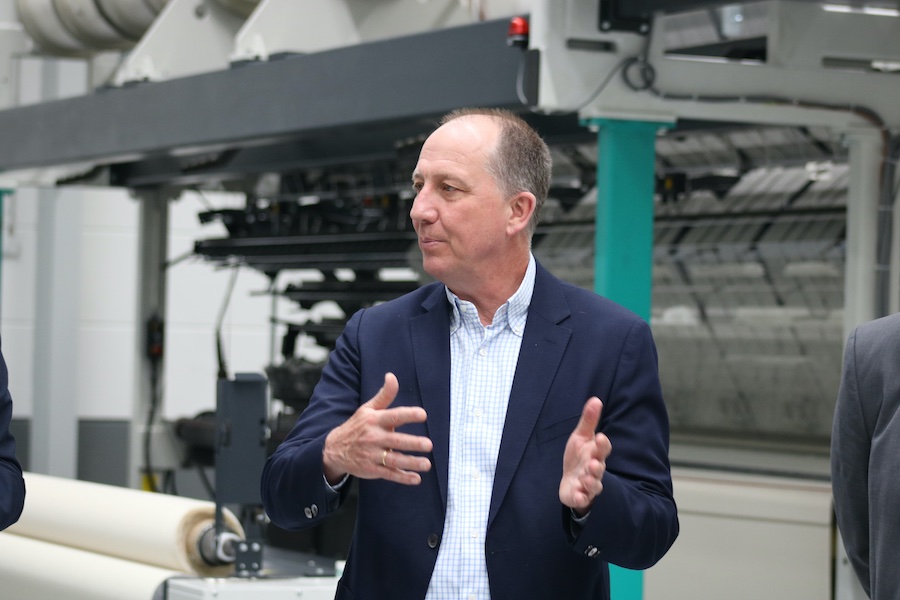
With its new Textile Innovation Center, KARL MAYER is sending a strong signal for innovation, collaboration, and the future of textile applications. In this interview, Karl Josef Mayer discusses new opportunities in warp knitting, the processing of staple fibres, recycling, the changing role of machinery manufacturers, and why the textile industry must once again focus more strongly on the value of textiles. by Oliver Schmidt

#Associations

“Innovation, resilience and international experience remain the great strengths of the Swiss textile machinery industry”

Geopolitical uncertainty, growing competitive pressure from China, new free trade agreements and the shift towards a circular economy are currently reshaping the global textile industry. In this interview, Cornelia Buchwalder discusses the current mood within the Swiss textile machinery sector, the industry’s distinctive innovative strength, new market opportunities in India and Asia, and the technological trends that could shape the upcoming trade fair cycle leading up to ITMA 2027.

More News on Dyeing, Drying, Finishing

#Dyeing, Drying, Finishing

AEI reaps the benefits of all-electric new Monforts range

The impact of the rising cost of energy on the textile industry has been well documented, with some European countries paying up to seven times more to run their manufacturing operations than in other regions of the world.

#ITMA Asia + CITME 2026

Brückner showcases sustainable technologies for the future of textile finishing at ITMA ASIA 2026

With rising energy costs, increasing environmental requirements, and growing competitive pressure, textile manufacturers worldwide are facing the challenge of making their production processes both more sustainable and more cost-effective. As one of the world's leading specialists in textile finishing machinery, Brückner will present innovative solutions and advanced production technologies at ITMA ASIA 2026 in Shanghai. These technologies can play a key role in significantly reducing both energy consumption and emissions.

#India ITME 2026

Monforts ready for India’s next phase of textile growth at ITME 2026

Advanced finishing, coating and energy-efficient processing will be highlighted by Monforts at India ITME 2026, as the region’s textile manufacturers increasingly look beyond volume production towards higher-value fabrics. The German finishing machinery specialist sees considerable potential in India as investment continues in conventional apparel and home textiles alongside rapidly developing markets for technical textiles, activewear, sportswear, filtration and automotive applications.

Latest News

#Recycling / Circular Economy

Circulose resumes recycling of discarded cotton textiles and appoints interim CEO

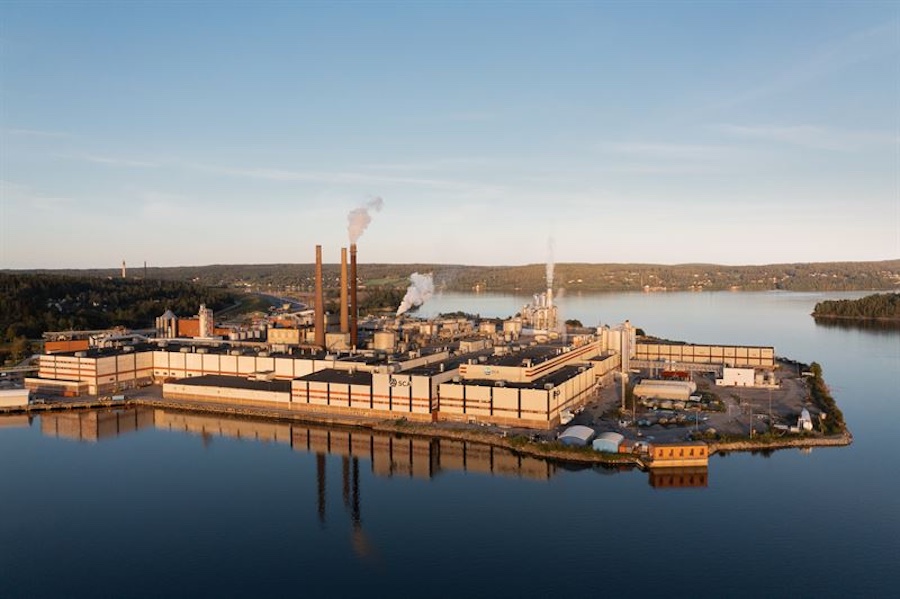
Circulose today announced its restart of commercial-scale production plant at Ortviken in Sundsvall, Sweden, marking a significant step in scaling next-generation materials for the global fashion industry. The Ortviken plant is the world’s first commercial-scale chemical textile recycling facility. Its restart demonstrates that the fashion industry is seeking ways to scale proven solutions that move beyond pilots and into commercial production.

#ITMA Asia + CITME 2026

Itema brings textile versatility to ITMA ASIA + CITME 2026

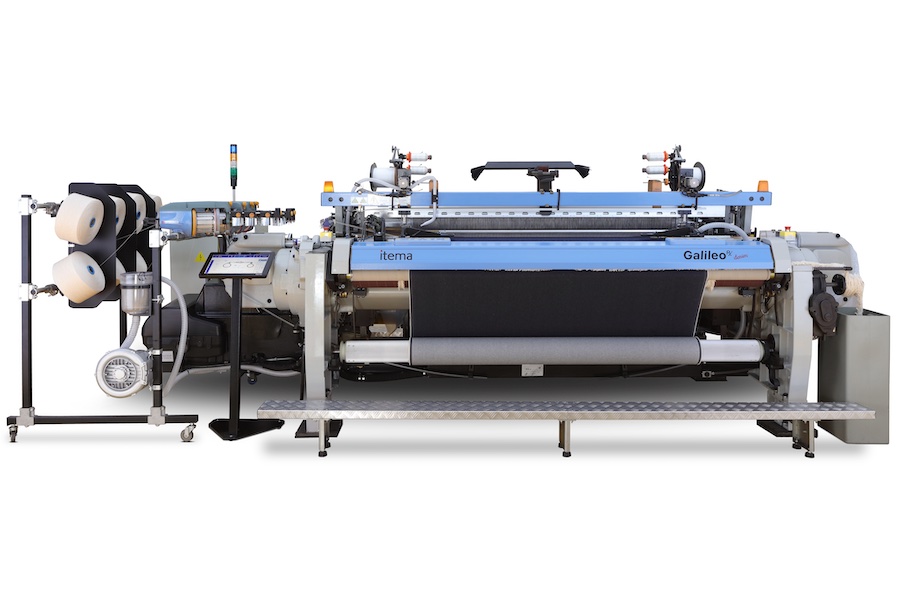
Itema announces its participation in ITMA ASIA + CITME 2026, taking place November 20–24 at the National Exhibition and Convention Center in Shanghai. In Hall 3 – Stand D06, the company will showcase two Galileo-RX rapier weaving machines weaving heavy denim and conveyor belt fabrics, demonstrating its ability to address different textile requirements with application-specific configurations. Five additional Itema machines at partner booths will extend the exhibition lineup to upper shoe fabric, label, Jacquard leno fabrics, and shirting, offering visitors a broader view of Itema rapier and air-jet weaving technologies.

#India ITME 2026

Stäubli to introduce new S3292 dobby for high-speed weaving at ITME India 2026

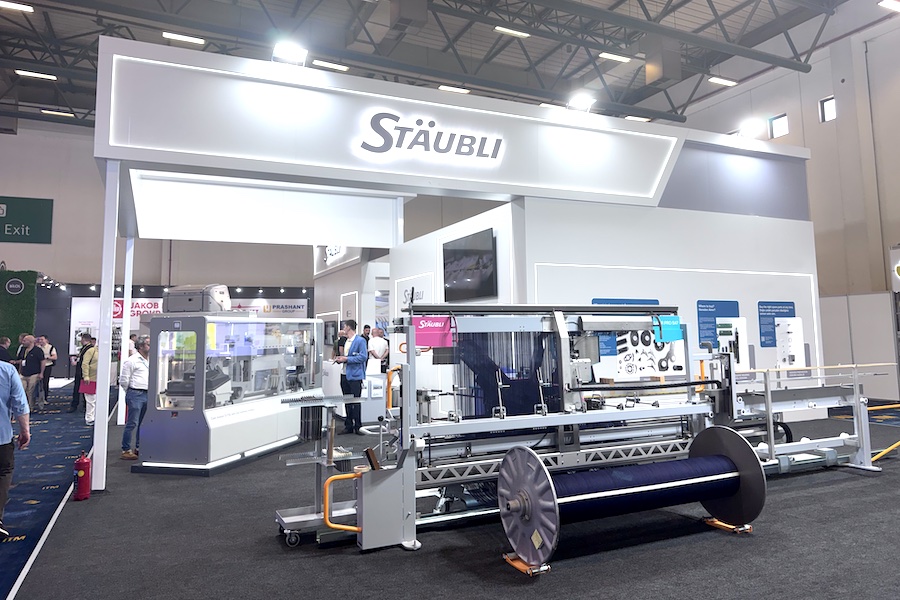
Stäubli will introduce its new S3292 dobby at ITME India 2026, taking place from December 4 to 9 at the India Expo Centre & Mart in Greater Noida, Uttar Pradesh. Designed for high-speed air-jet weaving, the new machine will be among the highlights of the company's presentation, which also includes warp preparation systems, cam motions, Jacquard technologies and digital services.

#Research & Development

DITF develops bio-based binding fibers for wood-fiber insulation materials

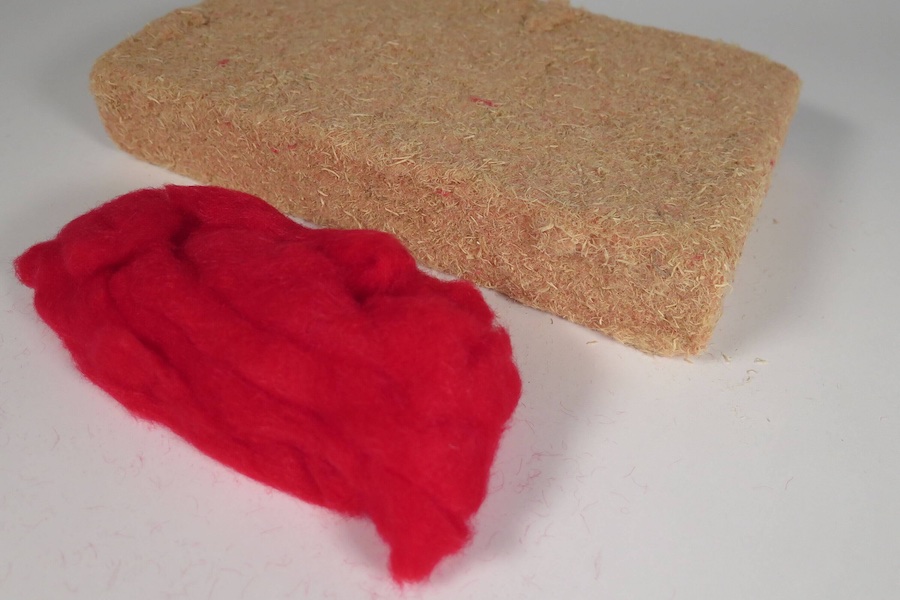
As part of the CelluWoodFlex project, the German Institutes of Textile- and Fiber-Research in Denkendorf (DITF) are developing bio-based cellulose ester fibers as alternative binding fibers for flexible wood fiber insulation materials. In addition to the spinning process and the production of suitable staple fibers, the institute is also investigating how wood and cellulose fibers can be separated and recycled at the end of their useful life.

TOP