[pageLogInLogOut]

#Digital Printing

Mimaki launches Tx330-1800 and Tx330-1800B for on-demand, sustainable and high quality textile applications
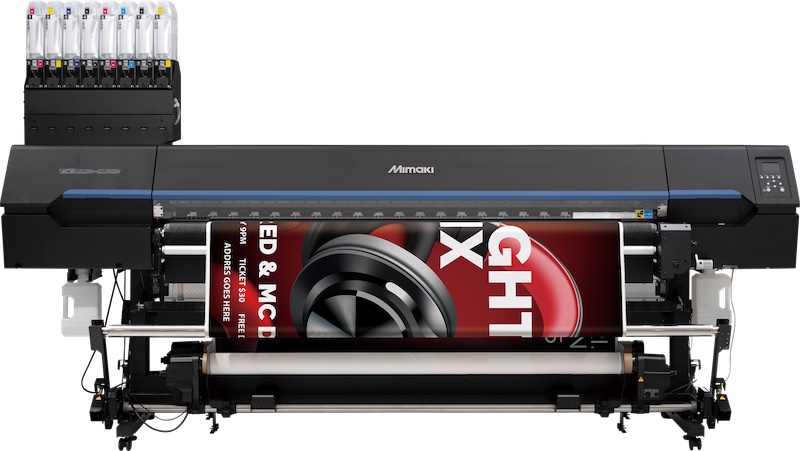
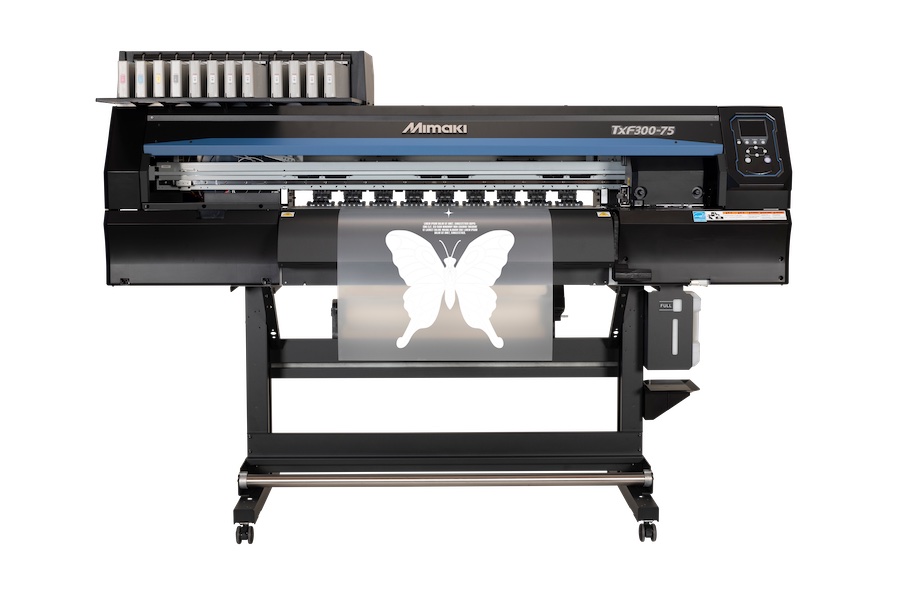
Mimaki Europe, a leading provider of industrial inkjet printers, cutting plotters, and 3D printers, unveils two new direct-to-textile printers, the Tx330-1800 and Tx330-1800B. The Tx330 Series offers extensive textile printing capabilities, able to print on a variety of materials with minimal wastewater. In contrast to conventional textile printing processes that require pre- and post-processing equipment, the Tx330 Series streamlines production into a more space-efficient solution—ideal for users with limited space.
Mimaki launches the Tx330-1800 and Tx330-1800B for the textile and apparel markets © 2025 Mimaki


FESPA in Berlin (6th-9th May 2025) will mark the EMEA debut of the Tx330-1800 and the unveiling of further details concerning both printers.

The Tx330 Series drives the transformation of the textile industry towards waterless, high-quality solutions, as well as for apparel manufacturers, who look for a printer which offers both quality and sustainability. The printers are equipped with dual ink set capability to seamlessly switch between textile pigment inks and dye sublimation inks, further diversifying application possibilities. Unlike conventional dye inks, these solutions simplify the process with a straightforward printing and heat fixation procedure. This eliminates the need for extensive facilities for water supply, drainage and wastewater treatment, as well as the dyeing expertise needed to operate, making digital textile printing more accessible.

The Tx330-1800 allows for seamless printing on both fabric and paper in one machine, ideal when producing textile signage and interior fabrics. Meanwhile, the Tx330-1800B uses a space-saving belt conveyor to stably print on stretchy, thick, and thin fabrics commonly used for apparel, ideal for the production of short-run and varied apparel in small spaces, such as offices, schools, and retail stores.

Arjen Evertse, General Manager Sales EMEA at Mimaki Europe, comments, “Looking at today’s textile market, we anticipate that the demand for textile products produced on-demand and locally will continue to grow. So, with that in mind, we released two products which are easy-to-use, versatile and sustainable, for those printers looking to incorporate textile printing capabilities within a small space, without compromising on capabilities and quality.

“The ink versatility aspect of these printers tackles the important concern of industrial water pollution, of which traditional textile dyeing alone contributes around 20% to. Utilising textile pigment and dye sublimation processes, Mimaki’s latest printing solutions remove the need for the large amounts of water typically required in post-processing, creating a much more resource efficient process with almost no water used at all—while also significantly reducing energy consumption.”

The Tx330-1800 Series utilises Mimaki’s “330 Engine”, providing the same sharp details, smooth colouring and accurate colour printing as other entries in the 330 Series due to smooth gradation expression and high-density printing capabilities.
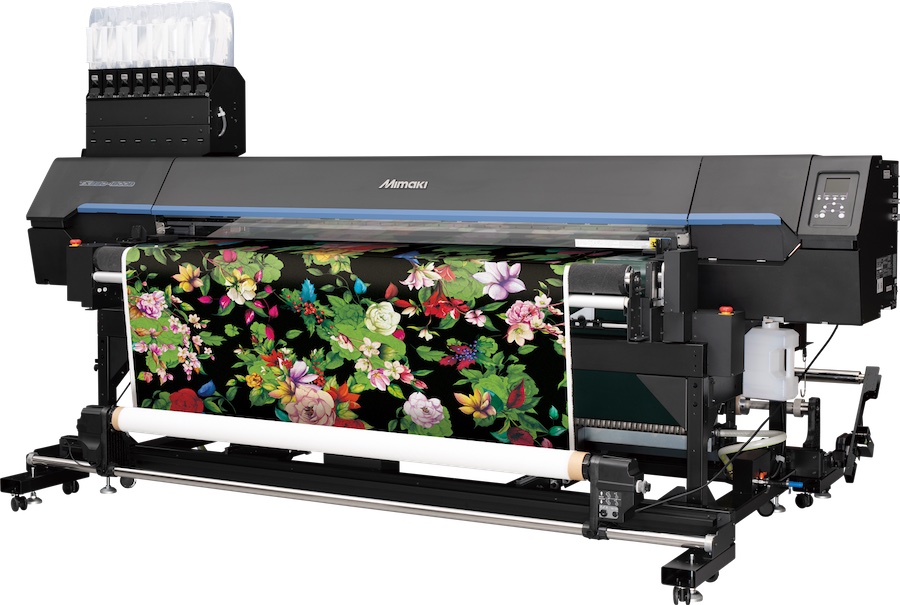
Built for optimal accessibility and sustainability, the Tx330 Series offers high-quality printing for on-demand and varied print runs © 2025 Mimaki


To accompany the Tx330 series, Mimaki is also introducing a textile RIP software, the TxLink5. This latest version of the TxLink software is designed to further improve the workflow in environments with multiple printers, which allows for users to manage their printing processes more efficiently.

The Tx330-1800 and Tx330-1800B will both be available for the textile and apparel market in June 2025. For more information and future updates, click here.

For more information about Mimaki’s innovative products and solutions, visit

https://www.mimakieurope.com/


More News from Mimaki Europe B.V.

#Digital Printing

Mimaki highlights growing demand for hybrid UV printing across European markets

Insights from Mimaki's European partner network reveal how hybrid UV printing is responding to different regional market needs, driven by growing demand for flexible, application-oriented printing technologies.

#Digital Printing

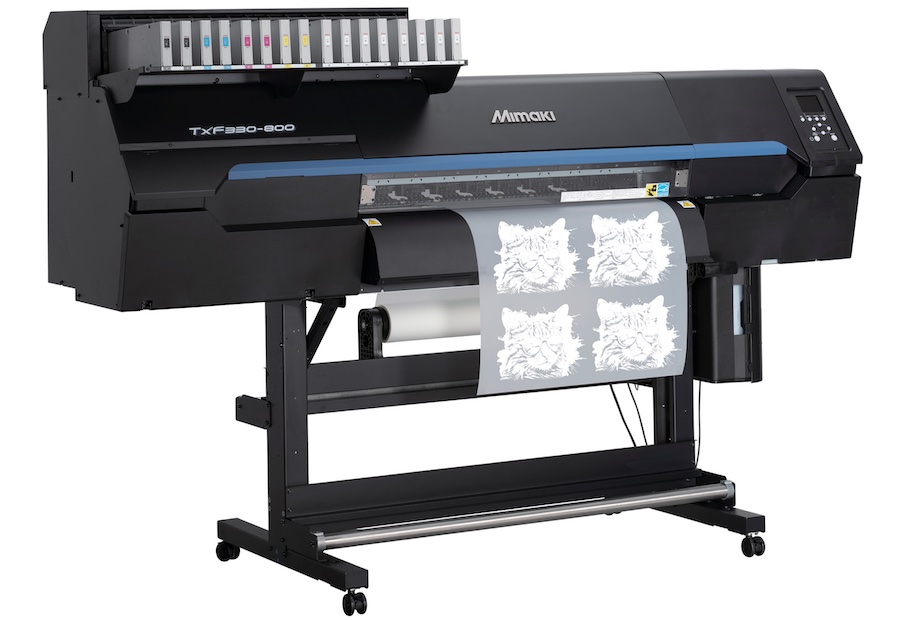
Mimaki advances DTF productivity and stability with new TxF330-800

Mimaki Europe, a leading manufacturer of industrial inkjet printers and cutting plotters, announces the TxF330-800, its new direct-to-film (DTF) printer. Designed to support stable, high-quality garment decoration in demanding print environments, the system combines automated maintenance, expanded white ink capacity and advanced production capabilities to streamline workflow.

#Digital Printing

Where every detail counts: Experiential applications of DTF and UV-DTF printing

Personalisation has moved far beyond the traditional logo on a t-shirt. Today, brands want to create complete experiences, where every detail – from clothing and accessories to décor and packaging – feels distinctive and reflective of their identity.

#Digital Printing

DTF vs DTG Printing - The technologies shaping today’s custom merchandise market

From sportswear to branded tote bags, custom merchandise continues to grow in popularity across sectors, driving print shops to cater to short runs, personalisation, and rapid turnaround. As print providers look to this market, two printing technologies often stand out: Direct‑to‑Film (DTF) and Direct‑to‑Garment (DTG). Each offers its own benefits, and understanding these differences helps determine the most suitable production method for print service providers.

More News on Digital Printing

#Digital Printing

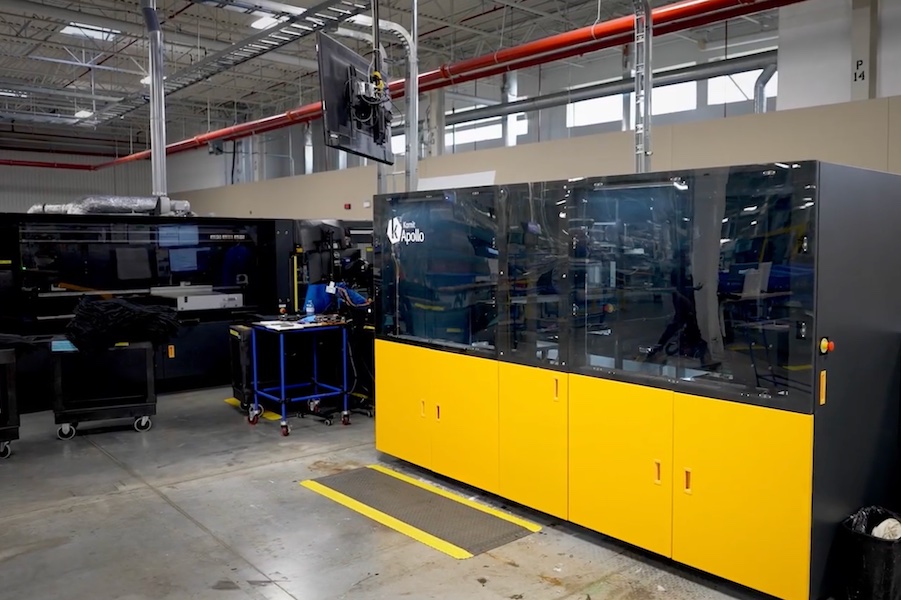
VistaPrint increases apparel production capacity with Kornit Apollo

Kornit Digital (NASDAQ: KRNT), a provider of on-demand digital textile production technologies, reports that VistaPrint has significantly increased its apparel production capacity through the implementation of the Kornit Apollo system. The installation has enabled the international print and design company to add approximately 25,000 units of weekly production capacity while improving production speed, operational efficiency and order turnaround times.

#Digital Printing

Blue Tomato accelerates agile retail apparel production with Kornit Digital

Kornit Digital (NASDAQ: KRNT), a global pioneer in on-demand digital fashion and textile production technologies, is highlighting how Blue Tomato, Europe’s largest board sports retailer, is using two Kornit Atlas MAX PLUS systems to support a more agile approach to in-house apparel production. The systems are helping Blue Tomato respond faster to changing consumer trends, produce high-quality apparel for its network of 86 retail stores across Europe and reduce inventory by printing only what the market demands.

#Digital Printing

Growth at the speed of demand: Kornit Digital brings digital textile innovation to PERFORMANCE DAYS 2026

Kornit Digital Ltd. (NASDAQ: KRNT) (“Kornit”), a global pioneer in on-demand digital fashion and textile production, will showcase the possibilities of digital, on-demand production at PERFORMANCE DAYS 2026, October 13–14 at Messe München, Hall 6, Booth E08.

#Digital Printing

Italian textile finishing specialist injects digital agility into luxury textile manufacturing with Kornit Digital

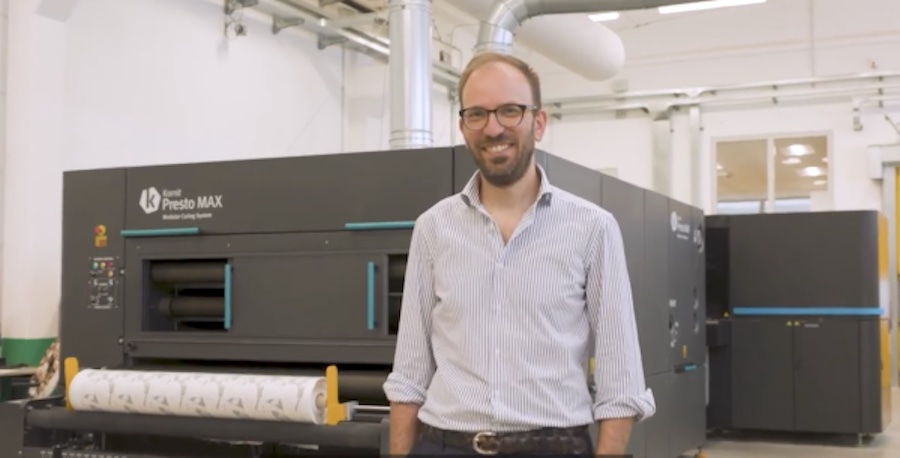
1st October 2026 – Kornit Digital, a global pioneer in sustainable, on-demand digital fashion and textile production technologies, shares the news that Tintoria Finissaggio 2000, one of Italy's leading textile dyeing and finishing specialists, has integrated the Kornit Presto MAX into its production environment to expand its premium textile offering to improve manufacturing efficiency and support growing demand for sustainable, agile fabric production.

Latest News

#Recycling / Circular Economy

Circulose resumes recycling of discarded cotton textiles and appoints interim CEO

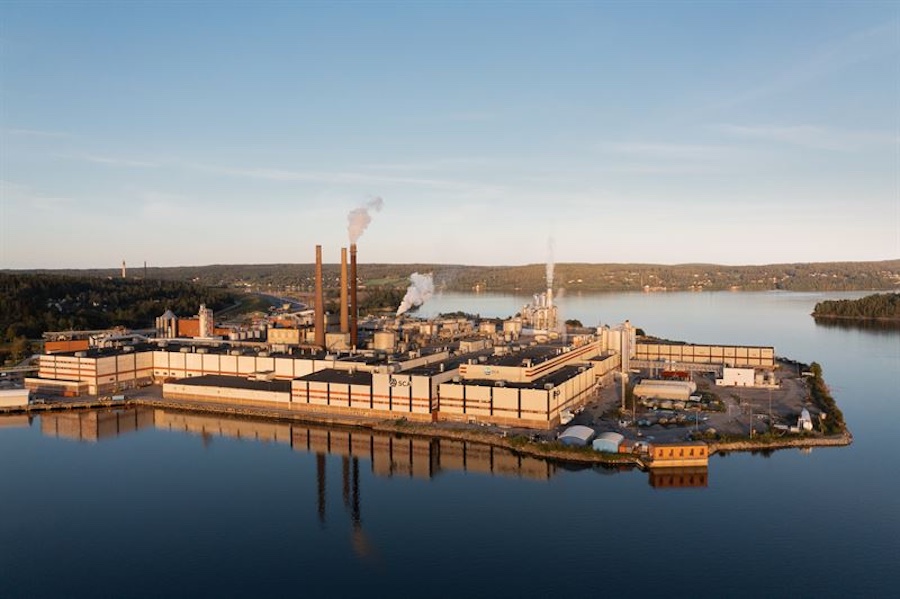
Circulose today announced its restart of commercial-scale production plant at Ortviken in Sundsvall, Sweden, marking a significant step in scaling next-generation materials for the global fashion industry. The Ortviken plant is the world’s first commercial-scale chemical textile recycling facility. Its restart demonstrates that the fashion industry is seeking ways to scale proven solutions that move beyond pilots and into commercial production.

#ITMA Asia + CITME 2026

Itema brings textile versatility to ITMA ASIA + CITME 2026

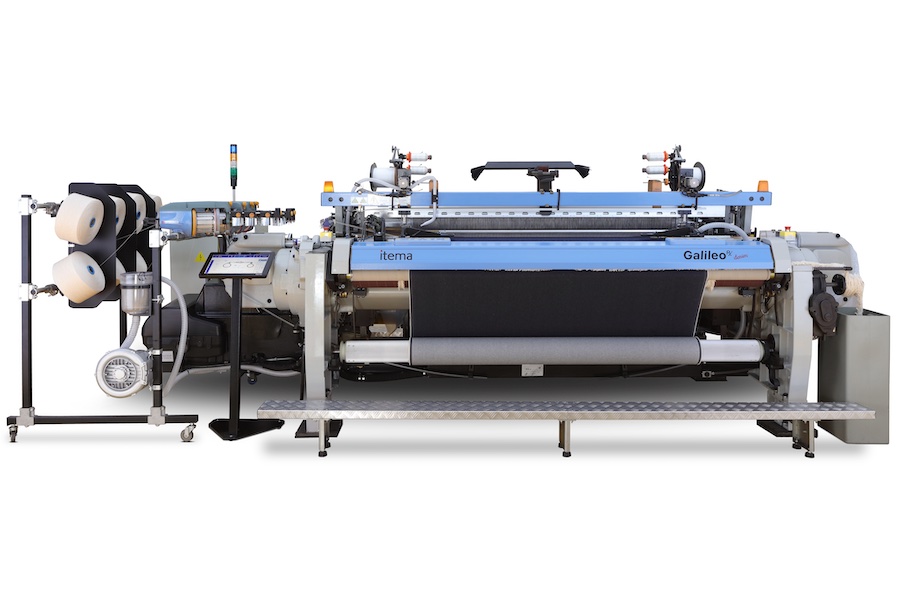
Itema announces its participation in ITMA ASIA + CITME 2026, taking place November 20–24 at the National Exhibition and Convention Center in Shanghai. In Hall 3 – Stand D06, the company will showcase two Galileo-RX rapier weaving machines weaving heavy denim and conveyor belt fabrics, demonstrating its ability to address different textile requirements with application-specific configurations. Five additional Itema machines at partner booths will extend the exhibition lineup to upper shoe fabric, label, Jacquard leno fabrics, and shirting, offering visitors a broader view of Itema rapier and air-jet weaving technologies.

#Dyeing, Drying, Finishing

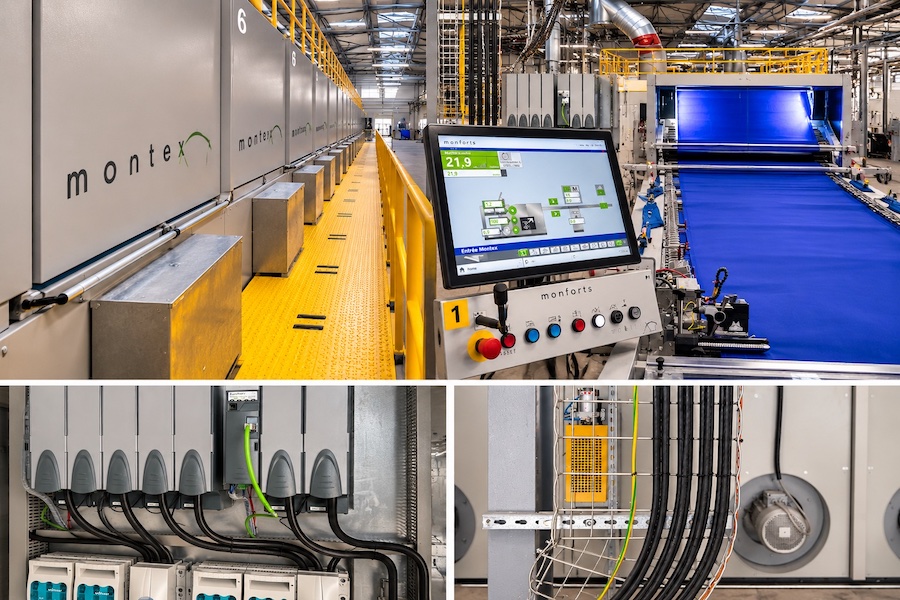
AEI reaps the benefits of all-electric new Monforts range

The impact of the rising cost of energy on the textile industry has been well documented, with some European countries paying up to seven times more to run their manufacturing operations than in other regions of the world.

#ITMA Asia + CITME 2026

Brückner showcases sustainable technologies for the future of textile finishing at ITMA ASIA 2026

With rising energy costs, increasing environmental requirements, and growing competitive pressure, textile manufacturers worldwide are facing the challenge of making their production processes both more sustainable and more cost-effective. As one of the world's leading specialists in textile finishing machinery, Brückner will present innovative solutions and advanced production technologies at ITMA ASIA 2026 in Shanghai. These technologies can play a key role in significantly reducing both energy consumption and emissions.

TOP