[pageLogInLogOut]

#Digital Printing

SPGPrints launches new digital textile inks, three new printers and reveals its new global brand ambition.
(c) SPGPrints
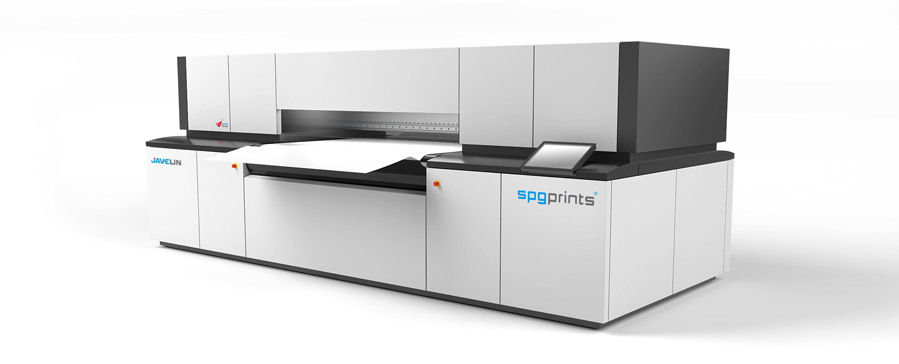
SPGPrints announced at a successful ITM in Istanbul the introduction of three new digital reactive inks for printing textiles as well as three new digital printers.

At the same time, SPGPrints proudly launched a new brand direction emphasising our ambition being the trusted partner in the global market of textile printing and industrial print while also taking care of the planet in a responsible way.

A new brand direction

SPGPrints is unveiling its new global brand ambition with a new slogan: Printing tomorrow.

Charles Lissenburg, Chief Commercial Officer, explains, ‘SPGPrints’ new brand strategy illustrates our goal to co-create a sustainable future together with our customers and gives direction to SPGPrints’ upcoming products. After 75 years, our company continues to develop solutions based on tomorrow’s needs. The new look & feel of the SPGPrints brand, products and web site illustrate what we stand for. This is also reflected in our new naming scheme: inspired by nature and as colourful as nature can be.’

Three new performance level inks

SPGPrints has made huge advancements in its ink technology to deliver three new performance levels of digital reactive textile inks. The inks will improve the overall user experience while still focusing on the economics.

Jos Notermans, Product Manager Digital, states, ‘Our new inks provide an environmentally friendly solution for digital textile print. The performance levels allow you to choose exactly the right combination for your applications. In-house development and production allow us to offer inks with unrivalled quality and runnability that add value to your business. Our inks guarantee unattended printing without nozzle blockages or print head failures while adhering to the highest quality standards and sustainability legislation.’


N-RICH technology: better ink for a better planet

‘Based on our know-how plus our 30 years’ experience in ink development, our inks offer optimal colour efficiency and are made with the best available dyes and chemicals. For us, quality has always been key, but sustainability is now even more important than ever. When selecting ink components, we consider all known and expected RSLs (restricted substance lists) for all major brands and meet guidelines such as REACH, OEKO-TEX® and ZDHC. We apply N-RICH technology to develop and produce our benchmark quality digital printing inks for textiles in a sustainable way.’

Lissenburg explains, ‘With our brand’s ambition and the association towards our environment and planet, the brand names for the new SPGPrints digital performance inks are based on colourful butterflies. The new performance inks are currently being rolled out to the market and will be available worldwide summer 2022.’

Rose, Jasmine, and Magnolia: three new digital printers

Also, at ITM, SPGPrints gave a preview on the new technology they are introducing to the market. Based on their expertise and over 30 years of experience in digital textile printing, SPGPrints will add 3 new models to their new digital product line.

‘With the new slogan “Printing tomorrow” in mind, we offer rotary and, digital textile printing solutions. And with a total offering consisting of advice, hardware, software, ink, and services, we create a path to a sustainable future for our customers.’ clarifies Charles Lissenburg.

‘Rose is a roll-to-roll paper sublimation system with a peak productivity of up to 720 sqm/h. With variable ink drop-size and a maximum resolution of 1200dpi, the print quality will be excellent.’, Notermans continues.

‘Jasmine and Magnolia are direct to fabric systems that will enable our customers to extend their offering in digital printing. Jasmine focuses on maximum productivity at the most optimal print resolution where Magnolia with its true 1200 dpi and Archer+ technology raises the bar to new levels of print quality.’


More News from SPGPrints B.V. (Head Office)

More News on Digital Printing

#Digital Printing

Scaling print-on-demand: Imperial Custom Apparel connects industrial printing with e-commerce automation

Combining industrial direct-to-garment printing with integrated production software, Miami-based Imperial Custom Apparel has expanded its production capacity, improved print quality and streamlined its operations. The installation of three Kornit Atlas MAX PLUS systems alongside GelatoConnect software has enabled the company to serve more sales channels with fewer employees and significantly simplified workflows.

#Digital Printing

From a bedroom startup to 3,000 designs: How Lonely Kids Club built its business with DTG printing

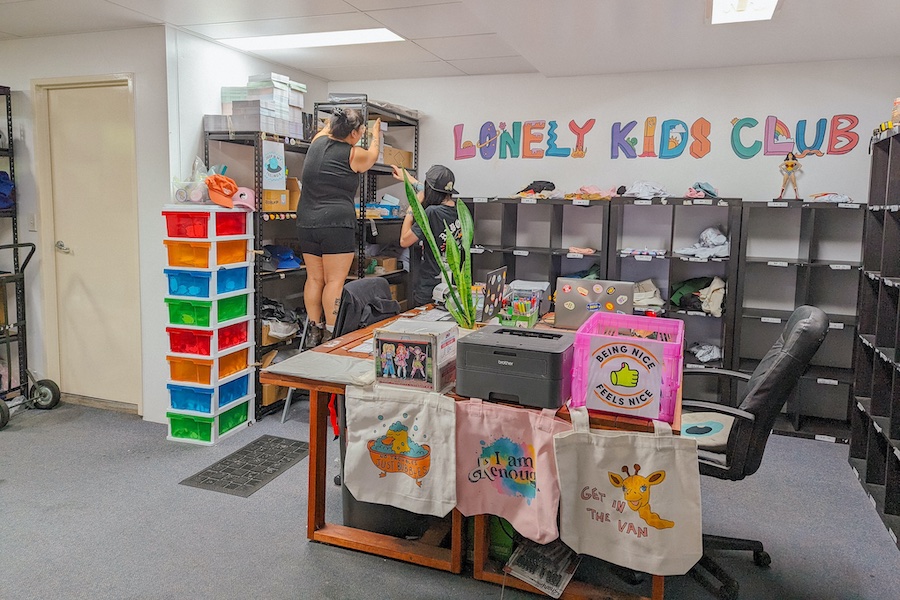
Founded in Sydney in 2011, independent clothing label Lonely Kids Club has grown from a bedroom startup into a business offering around 3,000 graphic T-shirt designs. With its own production studio, direct-to-garment printing and a demand-driven manufacturing model, the company demonstrates how smaller apparel brands can combine creative independence with flexible production – while navigating the everyday challenges of quality control, workflow efficiency and sustainability.

#Digital Printing

Mimaki highlights growing demand for hybrid UV printing across European markets

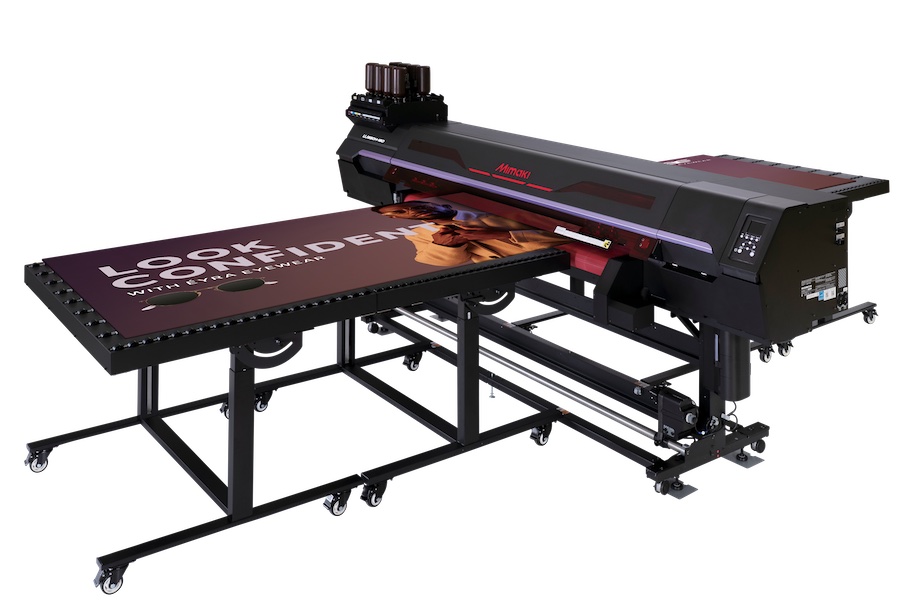
Insights from Mimaki's European partner network reveal how hybrid UV printing is responding to different regional market needs, driven by growing demand for flexible, application-oriented printing technologies.

#Digital Printing

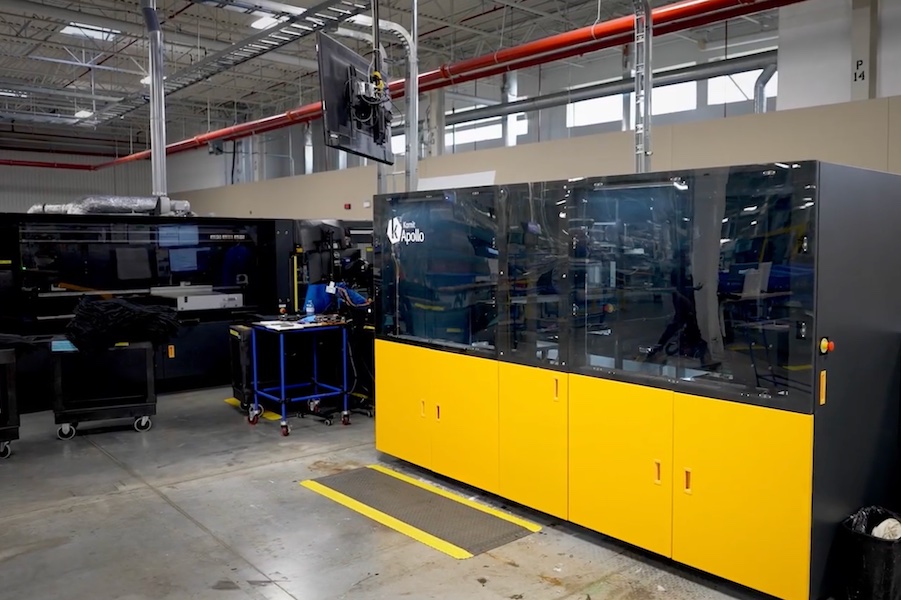
VistaPrint increases apparel production capacity with Kornit Apollo

Kornit Digital (NASDAQ: KRNT), a provider of on-demand digital textile production technologies, reports that VistaPrint has significantly increased its apparel production capacity through the implementation of the Kornit Apollo system. The installation has enabled the international print and design company to add approximately 25,000 units of weekly production capacity while improving production speed, operational efficiency and order turnaround times.

Latest News

#Spinning

Alexander Hoffmann to succeed Klaus Schäfer and Wolfgang Imping as managing director of BB Engineering

Starting January 1, 2027, Alexander Hoffmann will take over as managing director of BB Engineering GmbH, a German manufacturer of machinery and equipment for the plastics and textile industries. He succeeds Dr.-Ing. Dr. h.c. Klaus Schäfer and Wolfgang Imping, who will both retire at the end of 2026.

#Raw Materials

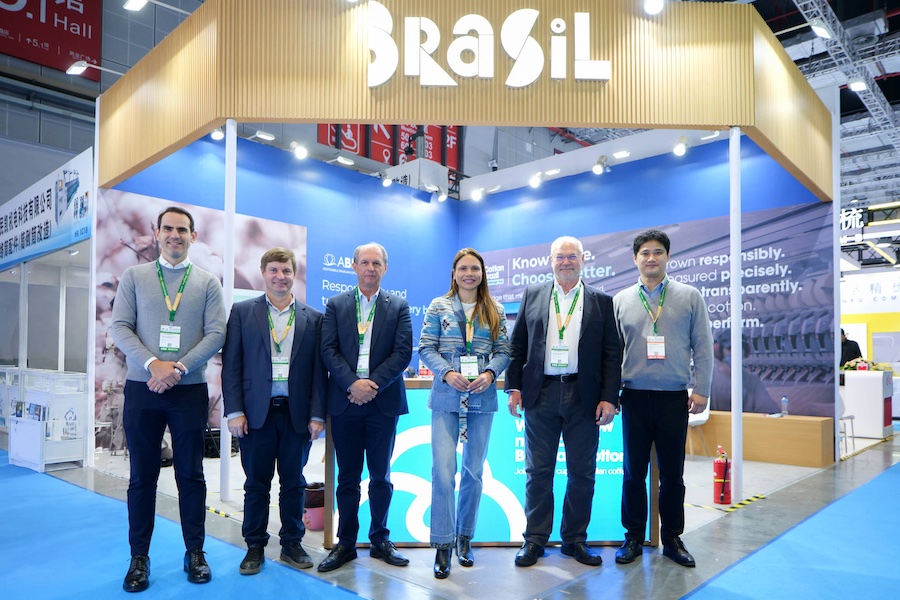
Cotton Brazil strengthens ties between Brazilian growers and the international textile industry at ITMA ASIA 2026

Cotton Brazil's participation in ITMA ASIA + CITME 2026 in Shanghai highlighted responsible production, traceability, fibre quality and technical knowledge sharing as key differentiators of Brazilian cotton. Strengthening relationships between Brazilian cotton growers and the international textile industry was a central objective of the initiative at the exhibition, which took place from November 20 to 24.

#India ITME 2026

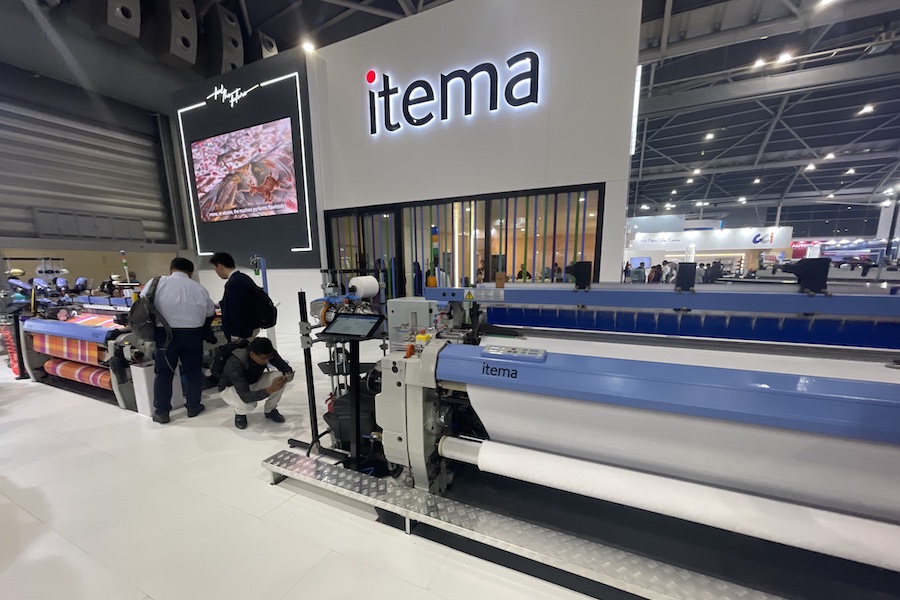
Itema demonstrates weaving versatility for apparel, suiting and sarees at India ITME 2026

At India ITME 2026, taking place from December 4 to 9 in Greater Noida, Itema will present three weaving machines configured for specific requirements of the Indian textile industry. Visitors to Hall 15, Stand G9 will see an A9500EVO air-jet weaving machine and two R9500EVO rapier weaving machines producing fabrics for apparel, suiting and sarees.

#India ITME 2026

Groz-Beckert targets energy efficiency, productivity and process reliability across six textile technology sectors at India ITME 2026

At India ITME 2026 in Greater Noida from 4 to 9 December, Groz-Beckert will present its latest innovations across all six product areas – Knitting, Weaving, Nonwovens, Sewing, Tufting and Spinning. At Hall 14, Booth B6, the German textile technology specialist will showcase advanced components, systems, services and digital solutions designed to improve energy efficiency, productivity, process reliability and textile quality while addressing the increasingly diverse requirements of modern textile manufacturing.

TOP