[pageLogInLogOut]

#Digital Printing

Mimaki pushes creative boundaries in industrial printing with new high-performance and high-quality direct-to-object inkjet printers
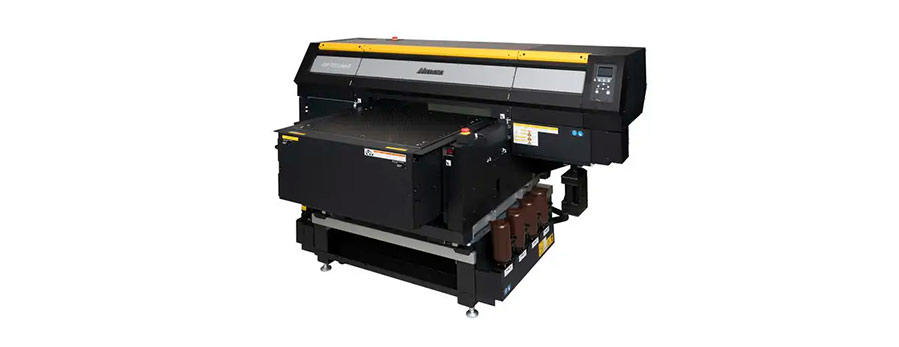
UJF-MkII e Series © 2021 Mimaki
Mimaki is set to open the door to new high-value, high-quality industrial print applications with the launch of its latest product innovations. The company has today unveiled four new high-speed, high-quality direct-to-object UV LED inkjet printers – the 190% faster(1) UJF-7151plus II and the new UJF-MkII e Series, comprising three advanced, small format solutions.

Mimaki launches four new UJF Series printers designed for high-quality output and superior productivity

All four additions to the market leading Mimaki portfolio will be commercially available in December 2021 and take industrial print and marking to the next level. The printers feature an array of new capabilities designed to deliver significant quality and performance benefits, enabling users to explore new applications and increase productivity.

“Once again, Mimaki is leading the way with new solutions that have been specifically developed to ensure our customers can increase their competitive edge and boost profitability,” says Arjen Evertse, General Manager Sales at Mimaki. “By expanding and enhancing our UV LED product range at such a crucial time for the industry, we aim to provide industrial printers with the cutting-edge technology needed to grow their businesses. For printers currently operating in other markets, these new solutions represent an opportunity to break into this diverse and successful sector, utilising our most innovative UV printers yet and supported by the industry’s leading manufacturer.”

UJF-7151plus II – Combining robust, high-speed production with outstanding image quality

Designed for seamless and reliable high-speed production, the UJF-7151plus II is equipped with eight printheads, which enable dual four-colour (CMYK) ink configurations. This, in turn, allows faster print speeds of up to 190% compared to the previous UJF-7151plus model. The new system also breaks new creative boundaries with several features developed to enhance image quality, such as the MFD2 (half-toning) processing functionality to further control dot position. The result of this increased control is sharper edges and finer lines as well as fewer colour irregularities.

The UJF-7151plus II’s six-colour configuration includes light cyan and light magenta to enable more accurate colour reproduction and it can achieve 1800dpi image resolution, providing superior definition for high-quality applications. In addition, the new printer’s innovative Colour Gloss functionality adds a glossy finish to hardened colour inks, enabling users to create new, distinguishing textures and details that ensure their products stand out from the crowd even without the use of clear varnish.

Load capacity has also been increased to 30kg, making the printer capable of handling high quality print jigs and ideal for accurate printing of heavy media, such as wood, metal, and glass, in industrial print environments.

UJF-MkII e Series – Three new small format printers that are big on quality

The brand-new series of UJF-MkII e printers sees the introduction of the UJF-3042MkII e, the UJF-6042MkII e and the UJF-3042MkII Ex e to the already comprehensive Mimaki portfolio. The three new models offer cutting-edge image quality and stability for printing onto an extensive variety of soft and hard media, including leather, wood, acrylic, metal, and glass.

The UJF-3042MkII e and UJF-3042MkII Ex e feature a print area of 300mm x 420mm, while the UJF-6042MkII e offers a larger print size of 610mm x 420mm. All UJF-MkII e Series printers feature new MFD2 processing for exceptional image quality as well as an improved gap check sensor. This laser sensor detects media placement to prevent printheads from making contact with the material during printing. It can even detect transparent materials for superior accuracy and highly controlled media detection. In addition, the new printers provide improved usability to the operator by adding visual guidance on the 3.45inch full colour display.


Cutting-edge, performance enhancing features included in all four new UJF printers

The new additions for the UJF printer series all feature MDL (Mimaki Device Language) commands support, which enables automated workpiece transfer. This capability allows users to control the new UJF printers from external production systems and peripheral devices. This enhanced automation not only increases user control and productivity but reduces manual operator intervention to increase efficiencies. The new models also incorporate RasterLink7 as standard RIP software, supporting one-product-at-a-time printing. With this latest software platform, numbering and variable data printing has never been easier, providing users with significant time and production efficiencies.
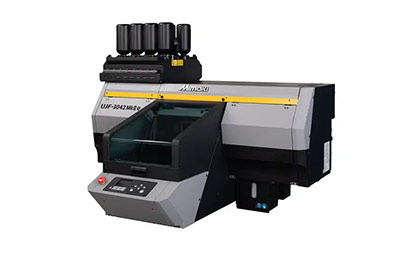
UJF printer series © 2021 Mimaki


All new UJF Series UV inks are GREENGUARD GOLD certified and the new range of printers incorporate the proprietary Mimaki Core Technologies, including NCU (Nozzle Check Unit)2, NRS (Nozzle Recovery System)3, and MAPS4 (Mimaki Advanced Pass System4)4 functions enabling stable output of high-quality prints.


(1) Compared to the previous UJF-7151plus model

(2) NCU: A function that automatically detects the status of nozzles using the sensor and performs auto cleaning when a missing nozzle is found. Optional for “UJF-3042MkII e”.

(3) NRS: A function that automatically replaces defective nozzles with other nozzles if there is a problem left unsolved by the nozzle cleaning, and ensures uninterrupted printing with stable image quality

(4) MAPS4: A function that prints pass boundaries fading in gradation to reduce banding (horizontal stripes), uneven colour, and glossy streak
More News from Mimaki Europe B.V.

#Digital Printing

Mimaki highlights growing demand for hybrid UV printing across European markets

Insights from Mimaki's European partner network reveal how hybrid UV printing is responding to different regional market needs, driven by growing demand for flexible, application-oriented printing technologies.

#Digital Printing

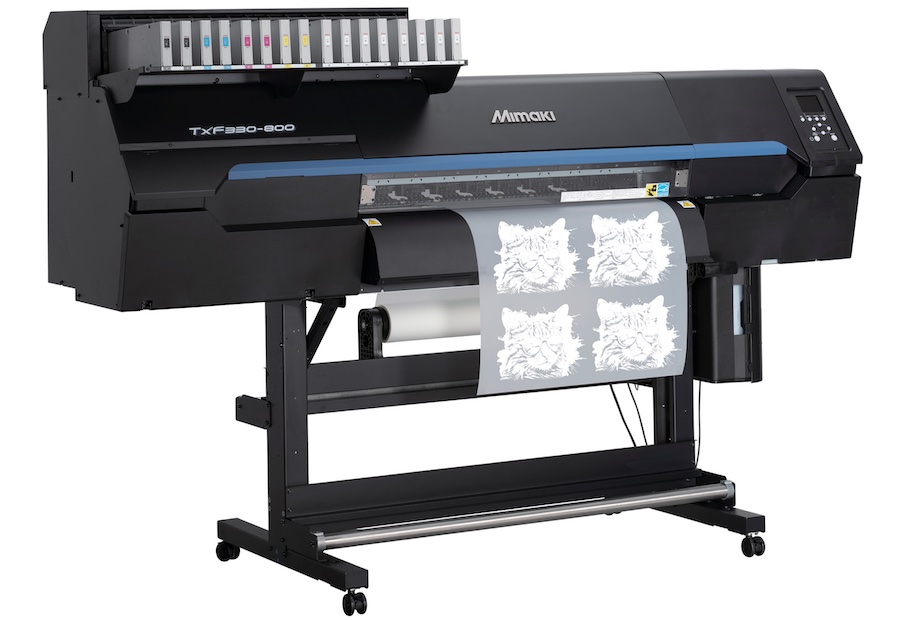
Mimaki advances DTF productivity and stability with new TxF330-800

Mimaki Europe, a leading manufacturer of industrial inkjet printers and cutting plotters, announces the TxF330-800, its new direct-to-film (DTF) printer. Designed to support stable, high-quality garment decoration in demanding print environments, the system combines automated maintenance, expanded white ink capacity and advanced production capabilities to streamline workflow.

#Digital Printing

Where every detail counts: Experiential applications of DTF and UV-DTF printing

Personalisation has moved far beyond the traditional logo on a t-shirt. Today, brands want to create complete experiences, where every detail – from clothing and accessories to décor and packaging – feels distinctive and reflective of their identity.

#Digital Printing

DTF vs DTG Printing - The technologies shaping today’s custom merchandise market

From sportswear to branded tote bags, custom merchandise continues to grow in popularity across sectors, driving print shops to cater to short runs, personalisation, and rapid turnaround. As print providers look to this market, two printing technologies often stand out: Direct‑to‑Film (DTF) and Direct‑to‑Garment (DTG). Each offers its own benefits, and understanding these differences helps determine the most suitable production method for print service providers.

More News on Digital Printing

#Digital Printing

Scaling print-on-demand: Imperial Custom Apparel connects industrial printing with e-commerce automation

Combining industrial direct-to-garment printing with integrated production software, Miami-based Imperial Custom Apparel has expanded its production capacity, improved print quality and streamlined its operations. The installation of three Kornit Atlas MAX PLUS systems alongside GelatoConnect software has enabled the company to serve more sales channels with fewer employees and significantly simplified workflows.

#Digital Printing

From a bedroom startup to 3,000 designs: How Lonely Kids Club built its business with DTG printing

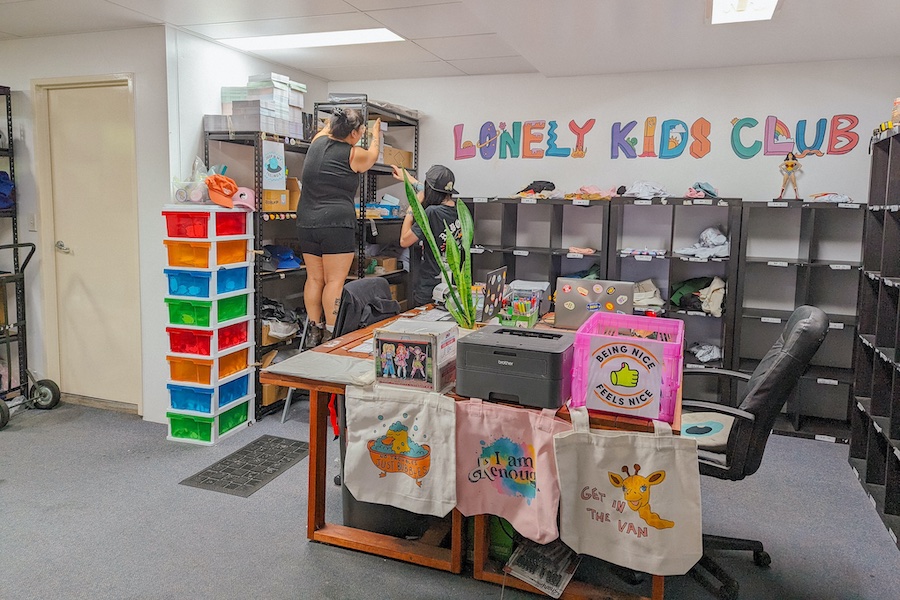
Founded in Sydney in 2011, independent clothing label Lonely Kids Club has grown from a bedroom startup into a business offering around 3,000 graphic T-shirt designs. With its own production studio, direct-to-garment printing and a demand-driven manufacturing model, the company demonstrates how smaller apparel brands can combine creative independence with flexible production – while navigating the everyday challenges of quality control, workflow efficiency and sustainability.

#Digital Printing

VistaPrint increases apparel production capacity with Kornit Apollo

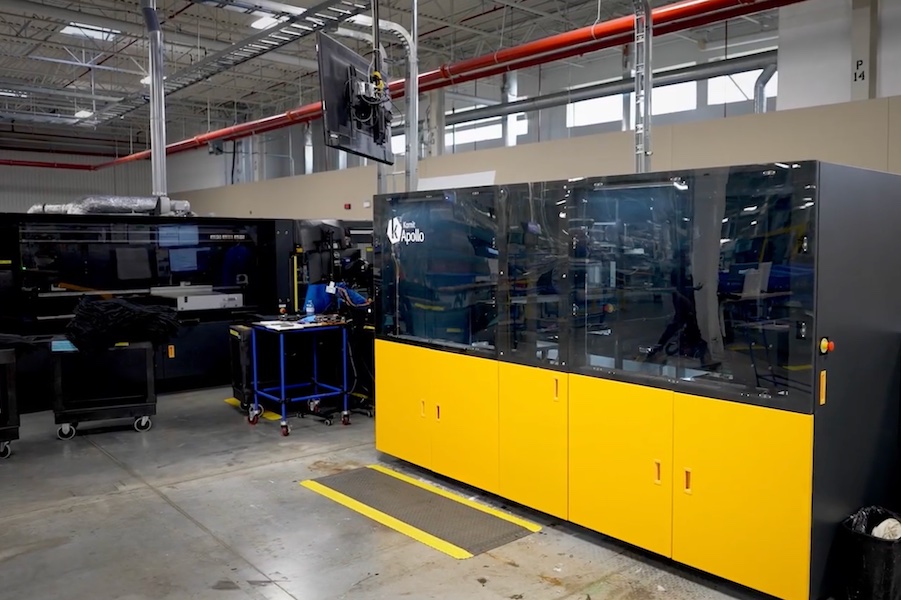
Kornit Digital (NASDAQ: KRNT), a provider of on-demand digital textile production technologies, reports that VistaPrint has significantly increased its apparel production capacity through the implementation of the Kornit Apollo system. The installation has enabled the international print and design company to add approximately 25,000 units of weekly production capacity while improving production speed, operational efficiency and order turnaround times.

#Digital Printing

Blue Tomato accelerates agile retail apparel production with Kornit Digital

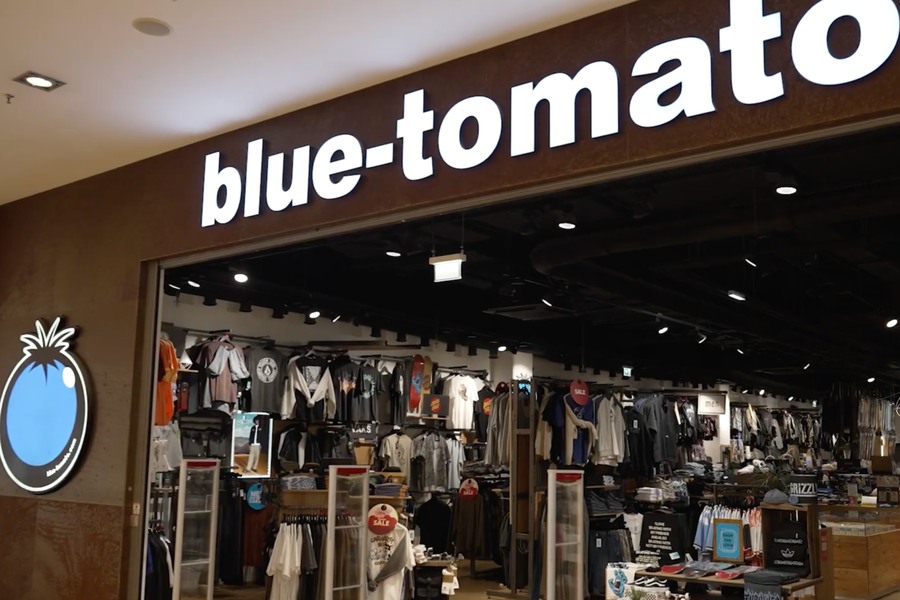
Kornit Digital (NASDAQ: KRNT), a global pioneer in on-demand digital fashion and textile production technologies, is highlighting how Blue Tomato, Europe’s largest board sports retailer, is using two Kornit Atlas MAX PLUS systems to support a more agile approach to in-house apparel production. The systems are helping Blue Tomato respond faster to changing consumer trends, produce high-quality apparel for its network of 86 retail stores across Europe and reduce inventory by printing only what the market demands.

Latest News

#India ITME 2026

Groz-Beckert targets energy efficiency, productivity and process reliability across six textile technology sectors at India ITME 2026

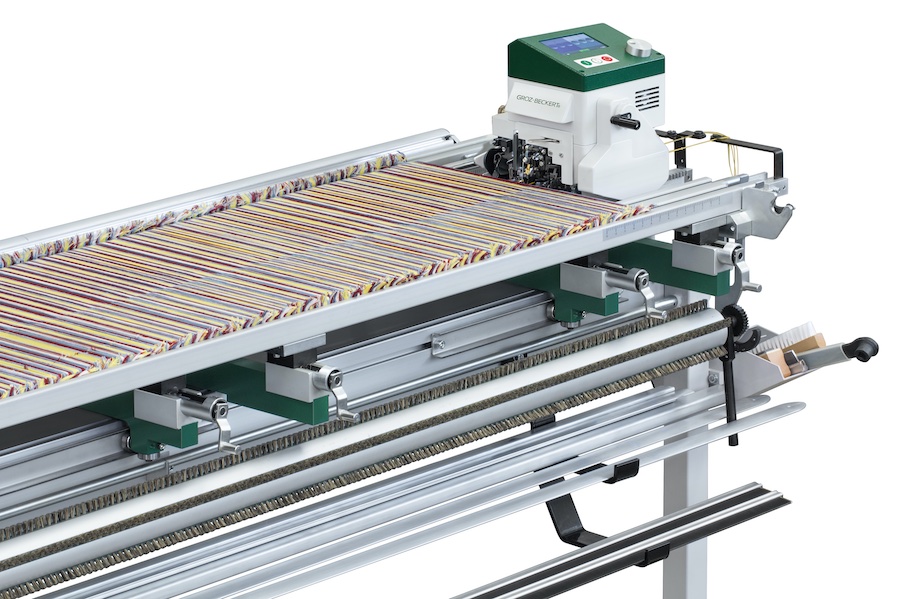
At India ITME 2026 in Greater Noida from 4 to 9 December, Groz-Beckert will present its latest innovations across all six product areas – Knitting, Weaving, Nonwovens, Sewing, Tufting and Spinning. At Hall 14, Booth B6, the German textile technology specialist will showcase advanced components, systems, services and digital solutions designed to improve energy efficiency, productivity, process reliability and textile quality while addressing the increasingly diverse requirements of modern textile manufacturing.

#Knitting & Hosiery

Monarch extends its Woven Look knitting technology from mattress ticking to apparel and performance textiles

A fabric technology originally developed to reproduce the appearance of woven mattress ticking by Monarch Knitting Machinery, a member of the British Textile Machinery Association (BTMA), is finding new applications in apparel. With the introduction of its 36-gauge OD5B-M-7ED44 double-knit machine, Monarch is expanding the possibilities for producing fine knitted structures that closely resemble woven textiles while retaining the stretch and comfort associated with knitting.

#Textiles & Apparel / Garment

VIATT 2027 names Thailand as its inaugural Partner Country

Thailand will take centre stage as the inaugural Partner Country at the Vietnam International Trade Fair for Apparel, Textiles and Textile Technologies (VIATT), returning to Ho Chi Minh City from 24 to 26 February 2027. Featuring a pavilion, dedicated product displays and various fringe events, the Partner Country programme will showcase Thailand’s textile and fashion capabilities, complementing an exhibitor line-up spanning VIATT’s three sectors. Alongside this new cooperation, eight additionally confirmed country and region pavilions and zones are set to strengthen the fair’s international offering.

#Recycling / Circular Economy

IVGT presents initial findings from the Erasmus+ project Skills4Circularity

At Albstadt ID 2026, hosted by Albstadt-Sigmaringen University of Applied Sciences, IVGT project manager Iris Schlomski presented initial findings from Skills4Circularity on 12 November 2026. She opened her presentation with an estimate from the European Environment Agency: the EU generated around seven million tonnes of textile waste in 2022. The Erasmus+ project brings together 21 partners from twelve countries to identify the skills textile and clothing professionals need to design more durable products, use fewer resources in production and recover fibres after use.

TOP